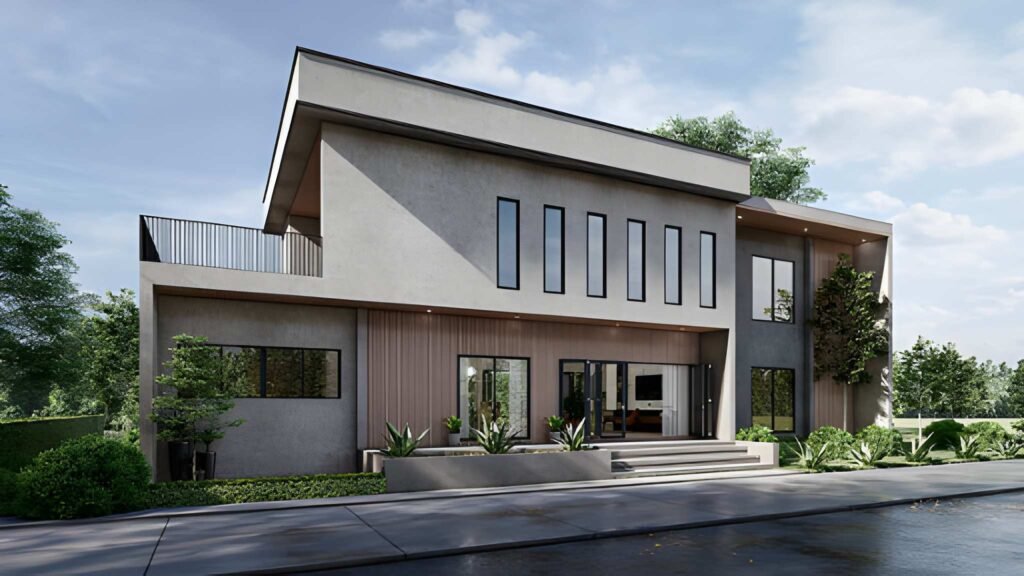
Eco-friendly home plans represent a fundamental shift in residential design, moving beyond a simple list of green features to embrace a holistic, integrated philosophy. These plans are conceived from the ground up to work in synergy with their environment, prioritizing energy independence, resource conservation, and occupant well-being. The blueprint itself is a strategic document that weaves together passive design, high-performance building science, and biophilic principles to create a home that is not just less harmful, but actively beneficial to both its inhabitants and the planet.
The Foundational Design Philosophies
Eco-friendly plans are often guided by established performance standards that ensure rigorous outcomes.
1. Passive House (Passivhaus) Standard
This is a rigorous, voluntary standard for ultra-low energy consumption. The core principles, which can be applied to any architectural style, include:
- Superinsulation: Walls, roofs, and floors with exceptionally high R-values (often R-40 to R-60+), creating a continuous thermal blanket around the home.
- Airtightness: Minimizing air leakage to a level far beyond conventional construction (≤ 0.6 ACH50), eliminating drafts and associated energy loss.
- High-Performance Windows: Typically triple-paned windows with insulated frames, strategically placed for solar gain.
- Ventilation with Heat Recovery: A dedicated system (HRV or ERV) that provides constant fresh, filtered air while recovering 75-90% of the energy from the exhausted air.
- Thermal Bridge-Free Design: Eliminating points in the building envelope where heat can easily escape, such as through wall studs or balconies.
2. Net-Zero Energy Ready
These plans are designed from the outset to produce as much energy as they consume on an annual basis. The design drastically reduces the home’s energy load through passive measures, making it easy and cost-effective to achieve net-zero status with a modest-sized solar array.
3. Biophilic Design
This philosophy seeks to connect occupants more closely with nature through the built environment. Key elements in a plan include:
- Abundant Natural Light: Strategic placement of clerestory windows, skylights, and light wells.
- Natural Ventilation: Operable windows placed to capture prevailing breezes and facilitate cross-ventilation.
- Connection to Outdoor Spaces: Designs that seamlessly integrate patios, courtyards, and gardens into the living area’s flow.
- Use of Natural Materials: Exposed wood, stone, and other natural elements that provide visual and tactile connection to the outdoors.
Core Elements of an Eco-Friendly Home Plan
When reviewing plans, look for these integrated design features that form the backbone of sustainable performance.
1. Site Orientation and Massing
- Solar Orientation: The long axis of the home runs east-west, with the majority of glazing on the south side (in the Northern Hemisphere) to maximize passive solar heating in winter.
- Strategic Shading: The plan includes roof overhangs, pergolas, or deciduous trees to the south that block high summer sun but allow low winter sun to penetrate and warm the interior.
- Wind Protection: The design uses the home’s form and landscaping to buffer against cold winter winds while channeling cooling summer breezes.
2. The High-Performance Building Envelope
This is the non-negotiable foundation of an eco-home. The plan will specify:
- Advanced Wall Assemblies: Such as double-stud walls, walls with exterior rigid insulation, or Structural Insulated Panels (SIPs) to achieve high R-values and eliminate thermal bridging.
- Detailed Airtightness Layer: The plan clearly indicates how the air barrier will be continuous at all intersections (e.g., where walls meet roofs and foundations).
- Foundation Insulation: Insulated slab-on-grade or fully insulated basement/crawlspace foundations.
3. Efficient and Healthy Mechanical Systems
The plan is designed to work with specific, high-efficiency systems:
- Ducted Mini-Split or Geothermal Heat Pumps: For highly efficient, all-electric heating and cooling.
- Heat Pump Water Heater: Located in a conditioned space for maximum efficiency.
- Central HRV/ERV: With a dedicated duct system for balanced, whole-home ventilation.
- Dedicated Plumbing Walls: “Wet walls” that cluster plumbing to minimize pipe runs, reduce heat loss, and simplify potential greywater system installation.
4. Resource and Water Management
- Rainwater Harvesting Ready: The plan includes structural provisions for a cistern and pre-plumbing for rainwater collection.
- Greywater System Compatible: The plumbing diagram is laid out to facilitate future greywater diversion for irrigation.
- Drought-Tolerant Landscaping: The site plan emphasizes native, low-water vegetation (xeriscaping).
Sample Floor Plan Concepts
1. The “Sun-Tempered” Ranch
A single-story, open-plan layout ideal for flat lots. A large, south-facing great room with high-performance windows captures winter sun, which is stored in a dark-colored concrete floor (thermal mass). A covered porch on the south provides summer shade. The plan is compact to reduce the exterior surface area, minimizing heat loss and gain. Bedrooms are located on the cooler, north-east side of the home.
2. The “Courtyard” Plan
Perfect for urban infill or privacy-focused lots. The home wraps around a central, protected courtyard that serves as an outdoor room. This design provides abundant daylight to all main rooms from two sides while creating a microclimate that buffers the home from street noise and wind. The courtyard can feature permeable paving and a rain garden to manage stormwater.
3. The “Elevated” Coastal Design
Built for flood zones or maximizing views, this plan raises the main living level on piers or a pilotis. This minimizes site disturbance and allows cooling breezes to pass underneath. The design features deep overhangs for shade, large operable windows for cross-ventilation, and a metal roof ready for a large solar array.
The Path from Plan to Reality
- Select a Certified Plan or a Green Architect: Start with pre-designed plans from architects specializing in Passive House or eco-design, or hire a custom architect.
- Site-Specific Modifications: A good plan will need to be tailored to your specific lot, solar path, and local climate.
- Partner with a Green Builder: The most perfect plan can be undermined by poor execution. Choose a builder with proven experience in high-performance construction details.
Eco-friendly home plans are not a stylistic trend but a measurable, performance-based approach to building. They provide a intelligent blueprint for a home that offers unparalleled comfort, resilience against rising energy costs, and a healthy indoor environment, all while dramatically reducing its environmental footprint. Investing in such a plan is the first and most critical step toward creating a legacy home that is both a sanctuary for its occupants and a steward of the planet.