The Low-Complexity (LC) Approach to House Repair: Finance, Strategy, and Compliance
Navigating renovation financing and legal requirements to secure efficient, low-risk property repair projects.
Table of Contents
Introduction: Defining the LC Repair Strategy
The term "LC" in house repair strategy serves as a critical mnemonic encompassing three interconnected challenges faced by US homeowners and investors: **Lending Criteria**, **Low Cost**, and **Legal Compliance**. These elements dictate the feasibility and profitability of any renovation project. An effective repair strategy must manage complexity, minimize upfront costs, and strictly adhere to the financial and regulatory standards set by lenders and local jurisdictions.
A project with low structural complexity but high regulatory or financial hurdles is just as risky as a project with high structural damage. The goal of the LC strategy is to synchronize these three pillars, ensuring that capital expenditures are covered by feasible financing, repairs maximize returns, and all work shields the property owner from future legal or financial liability. This structured approach moves repair decisions from guesswork to strategic financial planning.
LC Pillar 1: Meeting Lending Criteria for Renovation
For major repairs, financing often depends on specific Lending Criteria (LC). Understanding these rules dictates how funds are secured and disbursed.
Key Renovation Financing Options
Lenders assess risk differently for repairs than for standard home purchases. The most common lending options for substantial repairs include the FHA 203k loan and Home Equity Lines of Credit (HELOCs).
| Financing Type | Primary LC Focus | Fund Disbursement Method |
|---|---|---|
| FHA 203k Loan | Detailed Scope of Work (SOW), licensed contractor, HUD compliance. | Escrow/Draws, released upon inspection milestones. |
| Home Equity Loan (HELOC) | Applicant Credit Score and Loan-to-Value (LTV) ratio of the home. | Lump sum or open credit line (less LC oversight). |
| Cash-Out Refinance | Post-repair property valuation and debt-to-income (DTI) ratio. | Lump sum at closing (funds available instantly). |
Draw Schedule Compliance
For loans specifically funding the renovation (like the FHA 203k), the LC demands a **Draw Schedule**. This means funds are not released to the contractor until pre-defined work milestones are physically completed and verified by a third-party inspector or consultant. This requirement protects the homeowner from paying for incomplete work and is a crucial element of the lending criteria.
LC Pillar 2: Low-Cost, High-Impact Repairs
The low-cost (LC) approach prioritizes repairs that maximize perceived value and structural protection without resorting to major demolition or expensive material upgrades.
Structural Cost Optimization
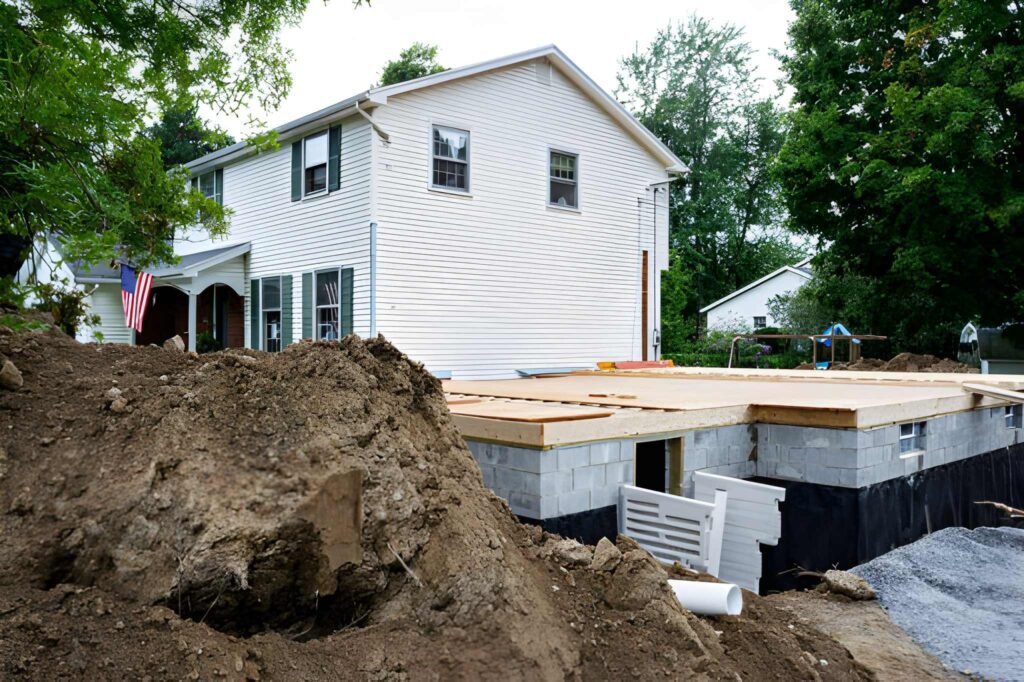
Even foundational repairs can be managed cost-effectively by prioritizing water management over immediate underpinning. The initial low-cost step should always be mitigating hydrostatic pressure.
- **Gutter and Downspout Extensions:** Ensuring water is moved 8 to 10 feet away from the foundation.
- **Perimeter Grading:** Resloping soil to direct surface water away from the home.
- **Crawlspace Vapor Barriers:** Installing plastic sheeting to control moisture migration and protect floor joists (typically 1,500 dollars to 4,000 dollars, a low cost relative to beam replacement).
Cosmetic LC Upgrades for ROI
Certain cosmetic repairs provide disproportionately high returns on investment (ROI) because they address common buyer pain points without structural complexity.
- **Interior Paint:** A fresh, neutral color palette throughout (typically 2,000 dollars to 6,000 dollars for an average home).
- **Kitchen Cabinet Refacing/Painting:** Dramatically updates the kitchen appearance without the 25,000 dollars cost of new cabinets.
- **Door Hardware and Lighting Fixtures:** Inexpensive replacements that modernize the home's perceived age and style.
LC Pillar 3: Legal Compliance and Documentation
Legal Compliance (LC) involves securing necessary permits, verifying contractor status, and ensuring you receive the proper documents upon completion. Skipping these steps exposes the homeowner to fines, insurance issues, and future liability.
Permitting and Contractor Insurance
Always confirm whether the scope of work requires a permit from the local municipality. Work involving structural changes, electrical panel upgrades, major plumbing alterations, or HVAC system replacement is mandatory. Unpermitted work is a red flag during appraisal or resale.
Equally critical is verifying contractor insurance. Require a Certificate of Insurance (COI) that proves the contractor holds:
- General Liability Insurance: Protects your property against damage caused by the contractor or their crew.
- Workers Compensation: Shields you from liability if a worker is injured on your property.
Lien Waivers and Warranty Documentation
The final legal LC requirement is securing a **Lien Waiver** before issuing the final payment. This document proves the contractor has paid all subcontractors and material suppliers, protecting the property owner from mechanics liens being placed against the property by unpaid parties.
Assume a 25,000 dollar roofing job. The contractor fails to pay the material supplier 8,000 dollars for shingles. Without a lien waiver:
Maximum Risk Exposure = 8,000 dollars
Result: The material supplier can place an 8,000 dollar lien against your home, forcing you to pay the debt to clear the title, even though you already paid the contractor.
Legal Compliance Solution: Secure a final lien waiver to eliminate this exposure, making the **cost of compliance zero**.
Managing Contractor Risk and Complexity
A large part of the "Low Complexity" (LC) strategy involves hiring a reliable contractor and defining clear communication channels to prevent scope creep.
The Vetting Protocol
Never accept the lowest bid without rigorous vetting. A professional contractor reduces complexity through experience.
Step 1: License Verification
Verify the contractor's license is current and active with the state licensing board (e.g., CSLB in California). Confirm no major disciplinary actions exist.
Step 2: Insurance Documentation
Require a current Certificate of Insurance (COI) directly from the insurance company, confirming both General Liability and Workers Compensation.
Step 3: Reference Check
Contact the three most recent clients and ask about timeline adherence, communication responsiveness, and change order management.
Contractual LC Requirements
The repair contract must explicitly detail the scope of work and the materials to be used (brand, model, color). This adherence to a detailed contract is the single greatest defense against scope creep, which inevitably raises costs and project complexity.
Conclusion: The Foundation of Safe Investment
The Low-Complexity (LC) approach to house repair synthesizes financial prudence with legal diligence. By strategically aligning Lending Criteria for favorable financing, focusing on Low-Cost, high-ROI structural and cosmetic upgrades, and strictly adhering to Legal Compliance standards like permitting and lien waivers, property owners effectively mitigate risk. This systematic planning secures capital, prevents unexpected liabilities, and ensures that every dollar spent on repair translates directly into maximized asset value and long-term stability.