The single-story home, or ranch-style dwelling, presents a unique and rewarding interior design challenge. Freed from the vertical interruptions of stairs, the entire living experience unfolds on one plane. This architectural reality makes the principle of flow the paramount design consideration. A successful one-floor house design is not a series of disconnected rooms, but a cohesive, intuitive journey where spaces relate to one another visually and functionally. The goal is to create an environment that feels both open and defined, spacious yet intimate, capitalizing on the inherent accessibility and horizontal continuity that define this style of home.
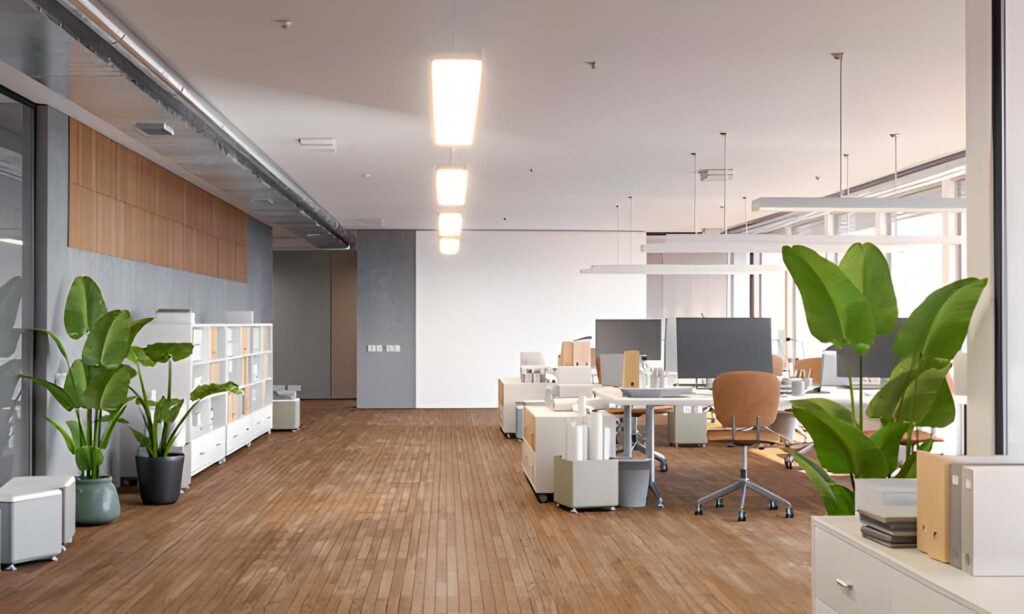
The most powerful tool in a one-story home is the open floor plan, but its execution requires nuance. The classic “great room” concept—where the living, dining, and kitchen areas flow together—is ideal for fostering family connection and accommodating entertaining. However, without careful planning, this can devolve into a vast, undefined expanse. The key is to use architectural elements and furniture placement to create “zones without walls.” A change in ceiling height, such as a dropped beam or a coffered section over the dining area, can subtly define a space. A change in flooring material—transitioning from hardwood in the living area to large-format tile in the kitchen—can signal a shift in function. Area rugs are indispensable for anchoring furniture groupings and delineating the living room from a circulation path. The furniture itself should be arranged to encourage conversation and movement, rather than acting as a barricade across the open space.
Beyond the main living area, the design must carefully manage the transition into private zones. The hallway leading to the bedrooms and bathrooms should not feel like a dark, forgotten tunnel. It can be treated as a gallery for art, illuminated with well-placed sconces or recessed lighting to create a welcoming procession. The use of a consistent color palette and flooring material throughout the home’s public spaces strengthens the sense of unity. When you then transition to the private quarters, a shift in color tone or texture can subtly signal a move into a more personal sanctuary, without breaking the overall harmonious feel.
Materiality, Light, and a Connection to the Outdoors
The materials chosen for a one-story home have a profound impact on its atmosphere. Consistent flooring is critical for visual flow. Continuous hardwood or large-format tile running through the main living areas makes the space feel larger and more connected. The horizontal nature of the home invites a strong connection to the outdoors, and the design should amplify this. Strategic placement of large windows, sliding glass doors, or even transom windows not only floods the interior with natural light but also effectively borrows the landscape, making the interior feel more expansive. The window treatments should be simple and functional, allowing for this connection to be maximized during the day.
In terms of a color palette, a unified scheme is highly effective. This doesn’t mean every room must be the same color, but rather that the colors should be in dialogue with one another. A neutral base—such as warm whites, gentle greiges, or soft taupes—on the main walls creates a sense of airy continuity. Accent colors can then be introduced in different rooms through soft furnishings, art, and accessories, providing variety while maintaining cohesion. For example, the living room might feature accents of navy blue, which then appears in a more muted form in a bedroom’s throw pillows, creating a thread of continuity that ties the home together.
Table: Zoning a One-Floor House for Optimal Flow and Function
| Zone | Key Design Elements | Furniture & Layout Strategy |
|---|---|---|
| The Entry & Decompression Zone | A defined foyer with a console table and mirror; a clear sightline into the home. | Creates a transition from outside to inside; prevents opening the door directly into the living area. |
| The Great Room (Living/Dining/Kitchen) | Consistent flooring; defined ceiling features or area rugs; a cohesive color palette. | Furniture arranged in conversational groupings; the kitchen island as a visual anchor; clear traffic paths between zones. |
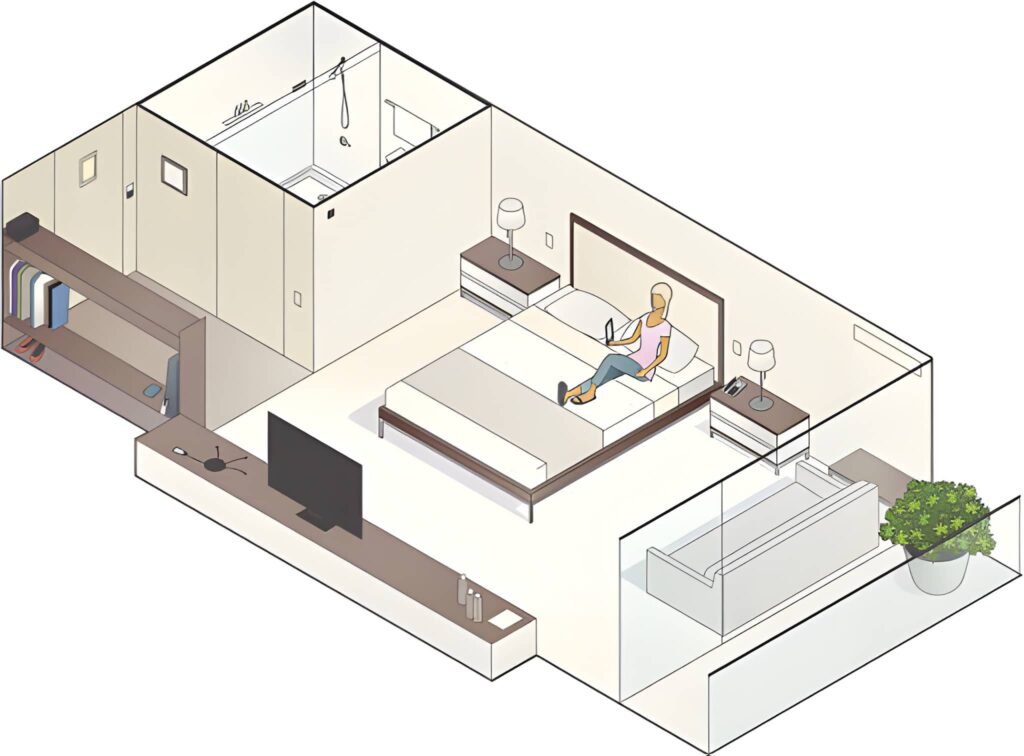
| The Private Wing (Bedrooms/Bathrooms) | Slightly softer color tones; plush carpeting in bedrooms; dedicated task lighting. | Furniture arranged for privacy and rest; emphasis on comfortable, personal spaces away from the home’s social hub. |
| The Outdoor Connection | Large windows and doors; continuation of interior materials to a patio (e.g., tile). | Patio furniture that acts as an extension of the indoor living space, reinforcing the flow. |
Storage is another critical element in a one-story home. Without a basement or a convenient second floor for attics, built-in solutions become essential. Custom cabinetry in the living room, a floor-to-ceiling pantry in the kitchen, and well-designed closet systems in the bedrooms prevent clutter from disrupting the clean lines and open feel. This integrated storage maintains the architectural integrity of the space.
Ultimately, exceptional interior design for a one-floor house is about creating a seamless and intuitive experience. It leverages the home’s horizontal footprint to promote easy living and accessibility for all stages of life. It uses a consistent material and color story to create harmony, while employing zoning techniques to provide definition and purpose to each area. The result is a home that feels thoughtfully composed, effortlessly functional, and deeply connected to its site—a true sanctuary where every space is in perfect conversation with the next.