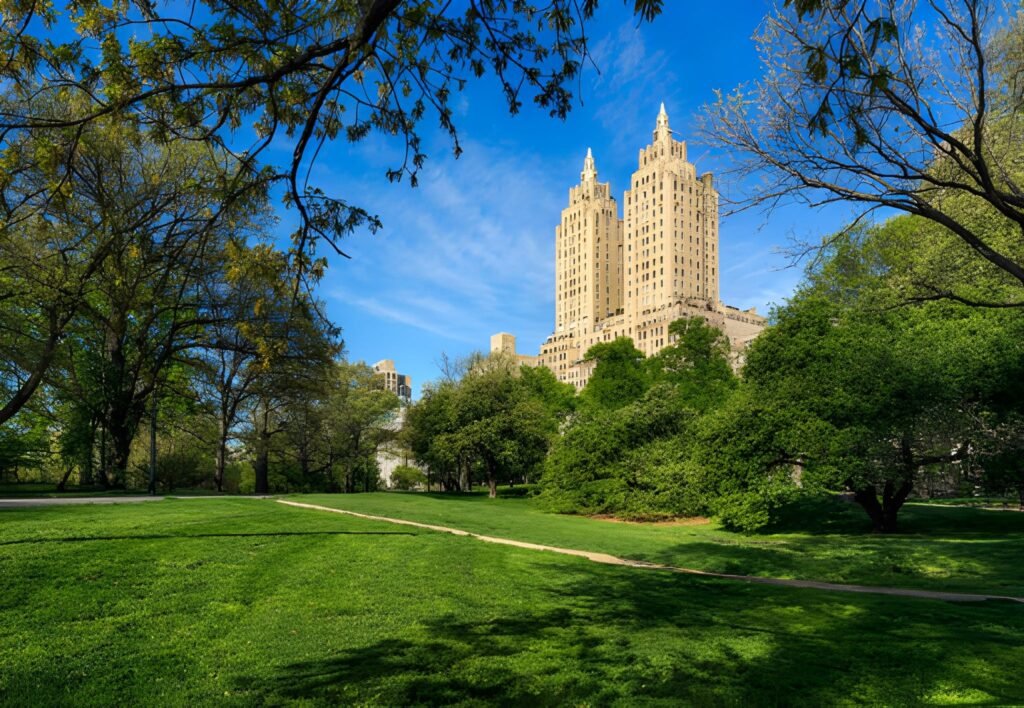
To discuss interior design at One Central Park West is to enter a rarefied conversation about legacy, luxury, and the unique constraints and opportunities presented by one of Manhattan’s most iconic addresses. This is not merely a residential building; it is a landmark, a statement in limestone and brick designed by the famed architect Irwin S. Chanin in 1929. The interior design process here is fundamentally different from that of a modern glass tower. It is a delicate dance between honoring a profound architectural heritage and imprinting a contemporary, personal identity upon a space that was never intended to be a blank slate. The successful designer at 1 CPW approaches the task not as a decorator, but as a curator and a preservationist, working within a framework of history to create a home that feels both timeless and personally resonant.
The pre-war architectural DNA of the building dictates the entire design narrative. Chanin’s vision was one of Gothic and Art Deco grandeur, characterized by high, coved ceilings, herringbone hardwood floors, elegant archways, and exquisitely detailed millwork. The most successful interiors in this building do not fight these elements; they engage them in a dialogue. The first and most critical step is a deep respect for the original intent. This means designing around, not over, the existing features. Elaborate crown moldings are not obscured but are instead highlighted with careful paint selection—perhaps a crisp white against a deeper wall color to make the plasterwork pop. The rich, warm tones of the original hardwood floors become the foundational palette for the entire color scheme, guiding selections for furniture woods, textiles, and area rugs.
The challenge and the art lie in modernizing this historical shell for 21st-century living without creating a jarring dissonance. The floor plan of a pre-war apartment often includes smaller, defined rooms, which can feel confining by today’s open-plan standards. The designer’s role is to create a sense of flow and airiness without resorting to the removal of significant architectural elements. This is achieved through a strategic use of color, ensuring a cohesive palette that visually connects adjacent rooms. Consistent flooring throughout, or the use of complementary rugs, also promotes continuity. Furniture placement is crucial; seating arrangements are designed to facilitate conversation in the center of the room, acknowledging the room’s inherent proportions rather than forcing a layout that belongs in a loft.
The selection of furniture and fixtures requires a nuanced understanding of balance and contrast. A strictly period-appropriate approach can feel like a museum diorama. A thoroughly modern one can seem disrespectful and out of place. The most compelling interiors master the mix. A sleek, low-profile Italian sofa might be positioned beneath a dramatic, original pre-war chandelier. A classic, tailored armchair in a timeless velvet can be paired with a starkly contemporary glass and steel coffee table. The tension between these elements is what gives the space its energy and sophistication. The key is a shared language of quality, proportion, and materiality. A bespoke, hand-knotted rug can bridge the gap between an antique dining table and modern art on the walls.
The following table outlines the core design dialectic at play within 1 CPW:
| Historical Element | Design Challenge | Modern Interpretation / Solution |
|---|---|---|
| Coved, Detailed Ceilings | Can feel heavy or ornate. | Highlight with strategic lighting and paint; avoid low-hanging light fixtures that disrupt the volume. |
| Smaller, Defined Rooms | Can impede a sense of flow and modern functionality. | Use a unified color story, consistent flooring, and furniture scaling to create visual continuity. |
| Elaborate Millwork & Moldings | Can dictate a traditional style. | Paint millwork in contemporary, often contrasting colors; use it as architectural art rather than a stylistic constraint. |
| Original Hardwood Floors | Set a specific, warm tonal palette. | Use modern, low-pile rugs with geometric or abstract patterns to create contrast and define areas. |
Beyond aesthetics, a design project at 1 CPW involves a layer of logistical and regulatory complexity uncommon in most residential buildings. As a condominium within a historic landmark, alterations are subject to rigorous scrutiny by the building’s board and, potentially, the New York City Landmarks Preservation Commission. Proposals that affect the building’s envelope or significant interior architectural features require a “Blue Slip” or similar formal submission, prepared by a licensed architect, affirming that the work complies with building rules and codes. This process underscores the fact that an apartment at 1 CPW is not entirely a private domain; it is a steward of a piece of New York City’s architectural legacy.
Lighting design becomes paramount in these residences with high ceilings and often limited exposure. A layered approach is essential. The original fixtures may be preserved or replicated, providing ambient light. This is supplemented with discreet architectural lighting—such as cove lights or carefully placed recessed spots—to wash walls and highlight art. Finally, a variety of task and accent lamps provide pools of intimate light, creating a dynamic and adaptable atmosphere from day to night.
The ultimate goal of interior design at One Central Park West is to achieve a state of elevated equilibrium. It is the creation of a home that feels both grand and intimate, historical and personal, curated and livable. It is an environment where the whispers of Gotham’s glamorous past are not silenced but are conversed with through the lens of modern comfort and individual taste. For the designer, the success of such a project is measured by a feeling that the interior has always belonged to the architecture, and that the resident has always belonged to the home. It is the art of making an icon into a sanctuary.