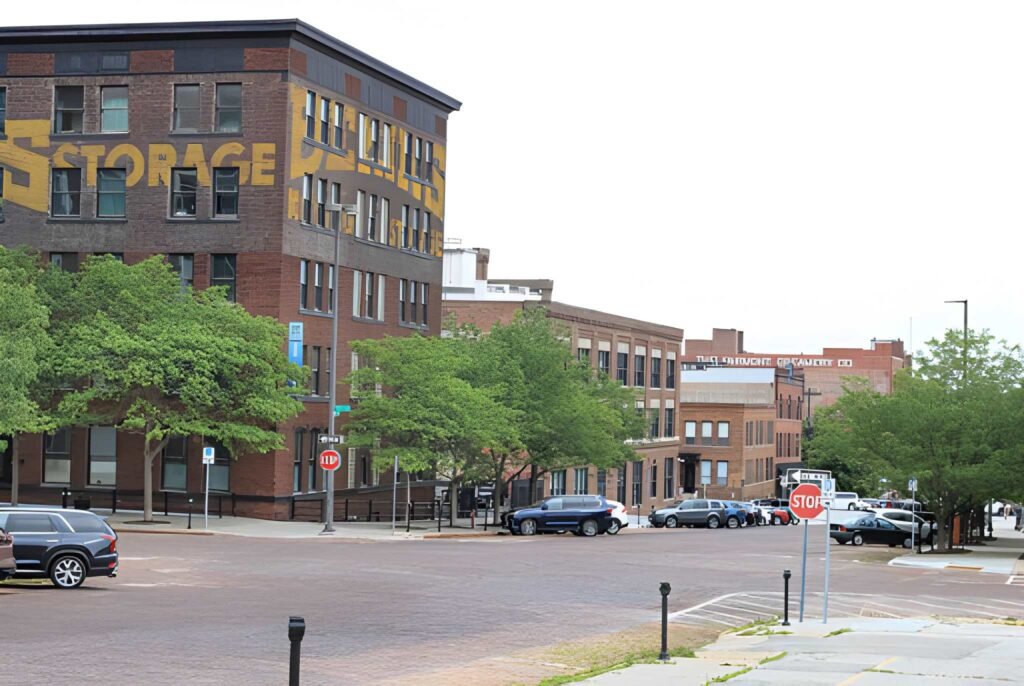
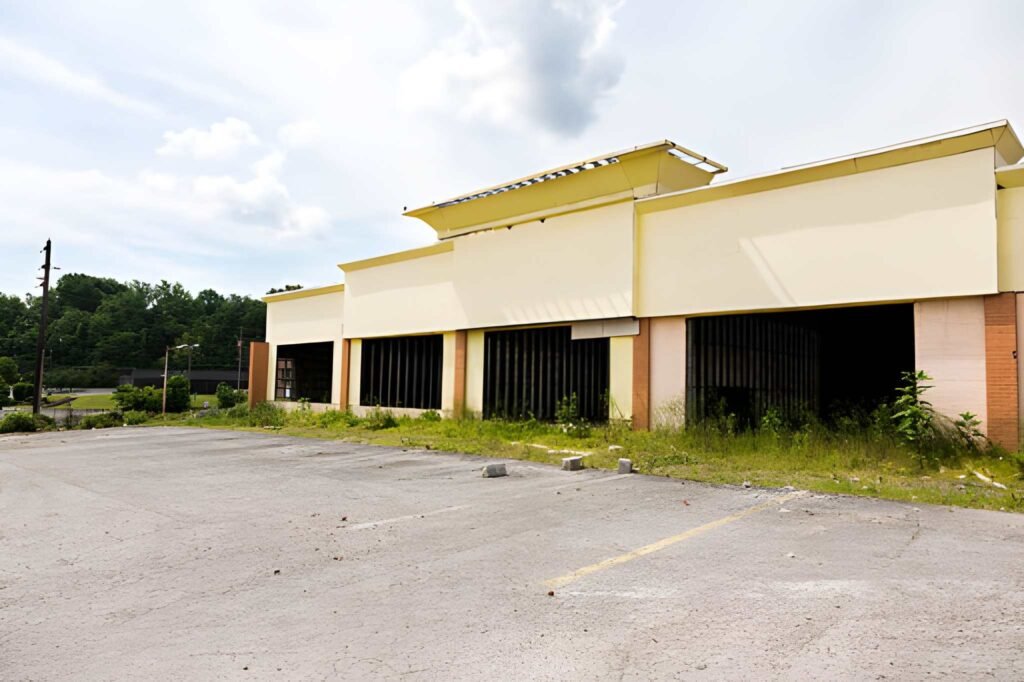
An abandoned retail space in a desirable neighborhood presents a complex and compelling tableau. It is a scar on an otherwise vibrant streetscape, a silent reminder of economic shifts, failed business models, or estate complications. Yet, for the right investor or entrepreneur, this vacancy is not a blight but a hidden asset—a rare opportunity to acquire a strategic location at a potential discount and reintroduce a vital pulse to the community. The path to successful reactivation, however, requires navigating a minefield of structural, financial, and social challenges with a clear-eyed and strategic approach.
The first step is a forensic analysis of why the space is vacant. In a nice neighborhood, the cause is rarely a lack of demand. The reasons are often more nuanced. The property may be burdened by an outdated physical plant: insufficient electrical service for a modern café, a lack of HVAC, or loading docks incompatible with contemporary delivery logistics. The layout might be obsolete, perhaps a long, narrow floor plan suited for a bygone era of retail but ill-fitting for today’s experiential standards. The landlord may be disengaged—an out-of-state heir or an institutional owner with a large portfolio who has let this single asset languish. Alternatively, the lease terms may be prohibitive, with a “vanilla shell” requirement that places the full financial and logistical burden of bringing the space to code on the tenant. Understanding this root cause is paramount, as it dictates the negotiation strategy and the scale of the investment required.
The financial calculus for such a project diverges significantly from a standard lease. The advertised rent is almost a secondary concern. The primary focus must be on the cost of “curing the obsolescence.” A prospective tenant must budget for a top-to-bottom assessment, including structural, mechanical, and environmental reviews. Asbestos in the ceiling tiles or lead in the paint, common in older buildings, can trigger a costly abatement process. The true negotiation leverage lies in this capital requirement. A tenant can, and should, propose a deeply concessionary lease structure: a period of free rent commensurate with the build-out timeline, a significant tenant improvement (TI) allowance from the landlord to offset construction costs, or a base rent that is below market for the first several years to account for the tenant’s upfront investment. The business plan must be robust enough to withstand this initial period of high capital outflow and delayed revenue.
Reconceptualizing the Space for the Modern Market
Simply replicating the previous failed business is a recipe for repeating its fate. The reactivation must be a reconceptualization that aligns with the contemporary demands of the neighborhood. The new use should serve as a community anchor, fulfilling a demonstrated need. This goes beyond traditional retail. The space could be reimagined as:
- A Hybrid Experience: A bookstore with a wine bar, a children’s toy store with an indoor play area, or a yoga studio with a juice bar and retail shop. This multi-revenue stream model increases dwell time and economic resilience.
- A Wellness Hub: Housing a suite of practitioners—a physical therapist, a nutritionist, and a mental health counselor—in a shared, high-design environment that feels more like a spa than a medical office.
- A Creative or Culinary Incubator: A space with multiple vendor stalls for local artisans or food entrepreneurs, providing a low-risk entry point for small businesses and creating a dynamic destination for residents.
- A Flexible Workspace: A boutique co-working space that caters to the neighborhood’s remote workers, offering a hyper-local alternative to large, impersonal chains.
The community’s perception is a critical asset to be managed. The vacant space has likely been a source of frustration, associated with blight, decreased property values, and safety concerns. The new occupant must therefore engage in a “hearing before opening.” This involves meeting with neighborhood associations, communicating the vision through local social media groups, and perhaps even hosting a community input session. Framing the project as a collaborative effort to restore a neighborhood jewel builds immense goodwill, creates a built-in customer base, and can even smooth the often-complicated permitting process with local officials.
Table: The Opportunity Matrix for an Abandoned Neighborhood Retail Space
| Challenge | Risk | Opportunity & Strategy |
|---|---|---|
| Physical Obsolescence | Unexpected structural or environmental repairs blowing the budget. | Perform exhaustive due diligence. Use repair costs as leverage for a lower rent and a large TI allowance. |
| High Build-Out Cost | The project becomes financially unviable before opening. | Right-size the concept. Design a phased build-out. Pursue a “raw” or “industrial chic” aesthetic that incorporates existing conditions. |
| Community Skepticism | The neighborhood resists a new business, remembering the previous failure. | Become a community partner early. Host open houses, share renderings, and align the business with local needs and values. |
| Economic Mismatch | The business model is not robust enough for the location’s high costs. | Create multiple revenue streams. Blend service with retail, incorporate digital sales, or use the space as a flagship for a larger operation. |
Ultimately, the successful reactivation of an abandoned retail space in a nice neighborhood is an act of urban renewal that yields both financial and social returns. It requires a developer or entrepreneur who is part visionary, part forensic accountant, and part community diplomat. The vacant space is a canvas. The previous failure has lowered the entry barrier, but the high expectations of the neighborhood demand an exceptional execution. For those who can navigate this complex equation, the reward is the chance to not just run a business, but to cement a legacy by returning a vital piece of the community to its former glory, and perhaps, even surpassing it.