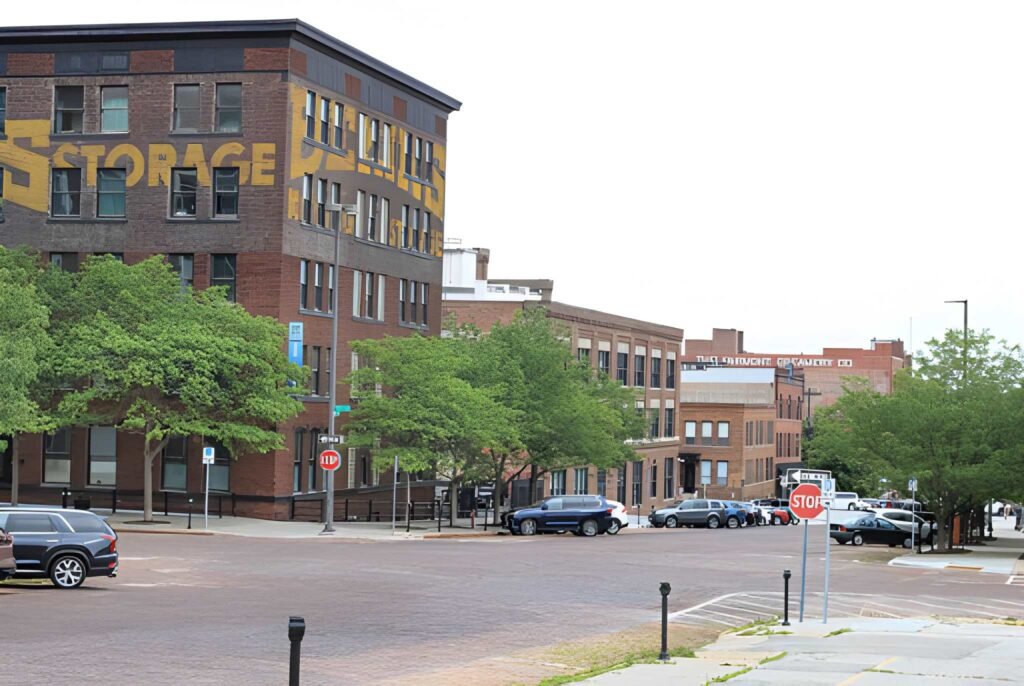
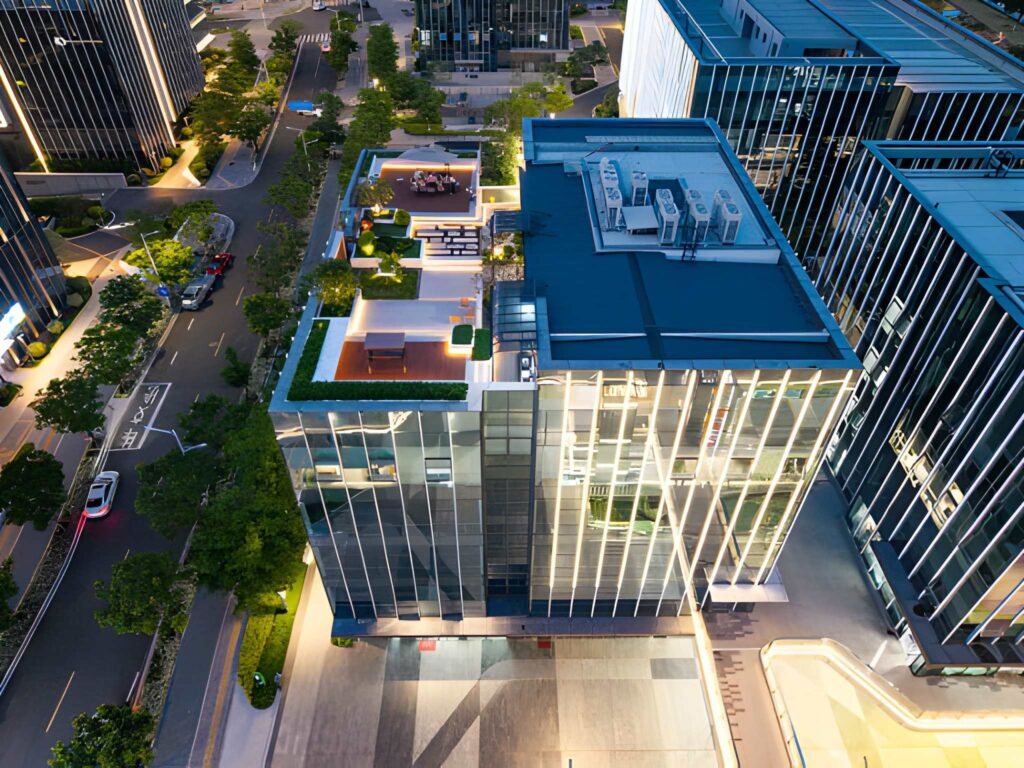
The architectural form of a building integrating office space above ground-floor retail is one of the most enduring and strategically potent models in urban and suburban development. This is not merely a stacking of functions, but a deliberate creation of a symbiotic ecosystem. This mixed-use model, often found in main street corridors, urban villages, and transit-oriented developments, generates a dynamic where each component enhances the value and viability of the other. For the developer, investor, tenant, and community, this vertical integration represents a sophisticated approach to real estate that mitigates risk, maximizes land utility, and fosters a vibrant, 18-hour environment.
The foundational strength of this model lies in its creation of a self-sustaining economic microclimate. The ground-floor retail—whether a café, restaurant, convenience store, or service provider—gains a built-in, captive customer base in the office workers directly overhead. This translates to reliable daytime foot traffic, insulating the retailer from the volatility that can affect standalone stores. The morning coffee rush, the lunchtime surge, and the after-work errand run are all guaranteed by the vertical population. Conversely, the office tenants above benefit from unparalleled convenience and amenity. The presence of quality retail and food service directly below becomes a powerful leasing tool, enhancing the desirability of the office space and allowing for premium rents. It reduces the time employees spend off-site for meals and errands, effectively increasing productivity. This synergy creates a compelling value proposition for both property owner and occupant, stabilizing occupancy rates across both asset classes.
From a design and operational perspective, this building type demands meticulous planning to ensure the success of both components. The separation of systems is paramount. The retail tenant, particularly a restaurant, will have intensive utility needs—high-capacity gas lines for cooking, specialized HVAC for kitchen exhaust, and reinforced floors for heavy equipment. The office floors above require a completely different infrastructure: standard office-grade power, robust data cabling, and a climate control system designed for human comfort rather than industrial processes. The building must be engineered to acoustically isolate the office spaces from the potential noise of retail delivery trucks, garbage collection, and customer activity. Furthermore, circulation is critical. A clear, dignified, and secure entrance for office tenants must be maintained, separate from the public access to the retail establishments. This often involves a dedicated lobby with elevator access, ensuring that the professional atmosphere of the office is not compromised by the public nature of the retail space.
The Investment and Leasing Calculus
For an investor or developer, the mixed-use office/retail building is a strategy of risk diversification. Unlike a single-use property, which is vulnerable to downturns in one sector, this model spreads risk across two distinct real estate asset classes. A softness in the office leasing market can be offset by strong retail performance, and vice-versa. This diversification often leads to a more stable and resilient income stream. From a leasing standpoint, the strategy involves a careful curation of tenants. A ground-floor anchor tenant, such as a reputable café or a popular lunch spot, can act as a magnet, directly increasing the value of the office space above. A poorly chosen retail tenant, like a late-night bar that creates noise or litter, can have the opposite effect, deterring high-quality office tenants.
The urban planning benefits are equally significant. This model is the antithesis of single-use zoning that creates dead areas after business hours. By combining uses, the building ensures activity throughout the day and into the evening. Office workers populate the area from 8 AM to 6 PM, while restaurants and retailers draw an evening crowd. This constant “eyes on the street” enhances public safety and creates a more engaging and walkable urban environment. It reduces reliance on the automobile for daily needs, supporting a more sustainable and community-oriented lifestyle.
Table: The Symbiotic Ecosystem of Office over Retail
| Stakeholder | Benefits | Critical Considerations |
|---|---|---|
| Developer/Investor | Diversified income stream, higher overall property value, risk mitigation across asset classes. | Higher construction complexity, potential for tenant conflict, managing two different lease structures and tenant types. |
| Office Tenant | Premium amenity without direct cost, increased employee satisfaction & retention, enhanced corporate image. | Potential for noise/vibration from retail, ensuring separate and secure access, adequacy of parking. |
| Retail Tenant | Built-in daytime customer base, reduced customer acquisition cost, higher foot traffic. | Operating restrictions (e.g., noise, odor) to protect office tenants, limited hours for deliveries, higher utility costs. |
| Community/Municipality | Vibrant, active streetscapes, efficient land use, increased tax base, reduced sprawl. | Managing parking demand, ensuring design fits community character, infrastructure for increased density. |
The Future of the Model: Adaptability and Experience
The future of these buildings lies in enhancing their adaptability and experiential quality. Modern designs are incorporating more shared amenities that serve both office and retail users, such as communal outdoor terraces or seating plazas. With the rise of remote work, the office component is evolving towards flexible co-working spaces and smaller, high-quality suites that cater to a hybrid workforce, which in turn provides a steady stream of patrons for the ground-floor businesses.
In conclusion, a building with integrated office and retail space is far more than the sum of its parts. It is a carefully engineered ecosystem that, when executed with foresight and precision, creates a resilient financial asset, a superior environment for tenants, and a vital contribution to the urban fabric. It represents a mature understanding that the highest and best use of land is often not a single function, but a dynamic and mutually supportive vertical community.