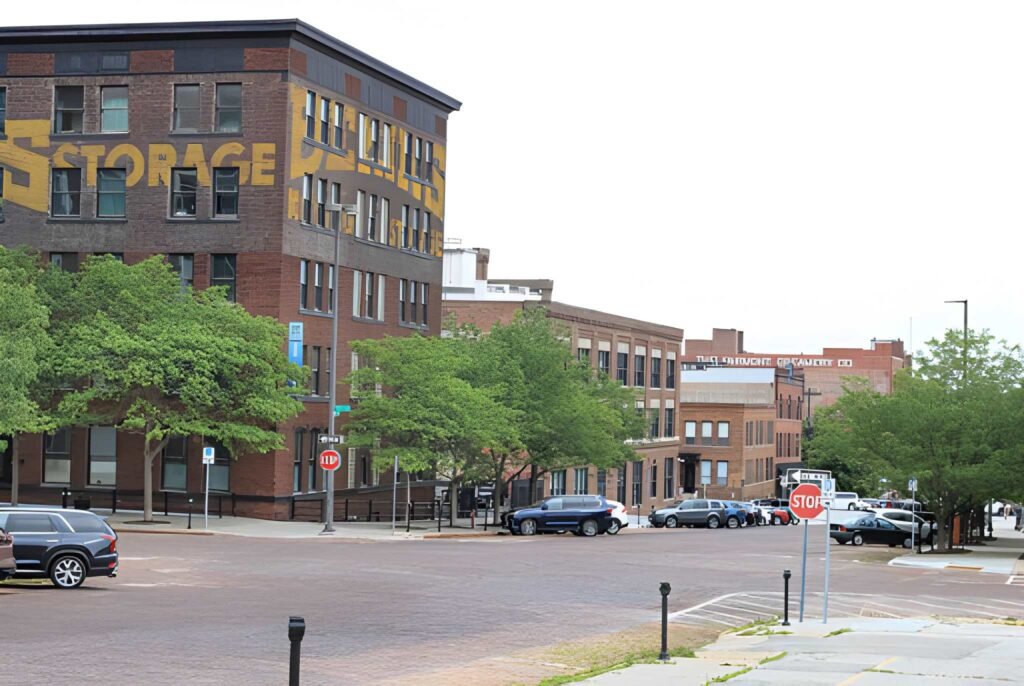
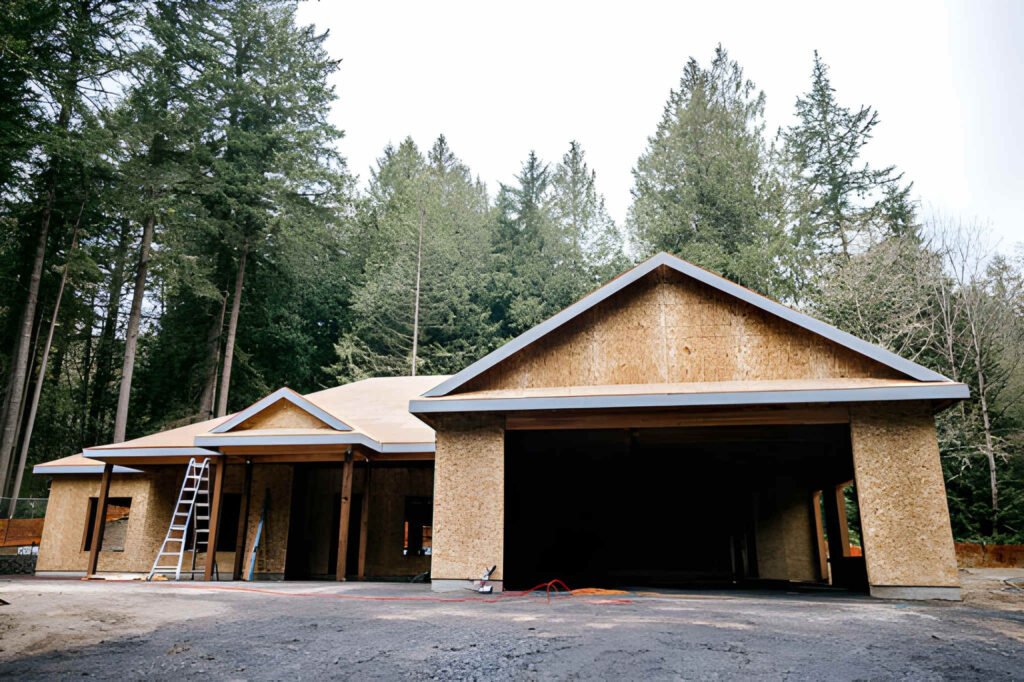
The search for a 2,000 square foot retail space in Tacoma’s West End is a pursuit of potential in one of the city’s most stable and family-oriented corridors. This is not the gritty, post-industrial landscape often associated with parts of the city, but a vast residential expanse defined by its practical needs and community spirit. The West End, encompassing neighborhoods like University Place and Fircrest, presents a commercial environment of strip malls and arterials like Pearl Street and 27th Avenue West. Success here does not rely on tourist foot traffic or a trendy, destination scene. Instead, it demands a business that becomes an essential, woven thread in the daily fabric of neighborhood life. A 2,000 square foot space in this context offers the room to build a substantial service-based operation or a retail destination that feels both comprehensive and convenient.
The demographic profile of the West End is its greatest asset. This is an area of homeowners, multi-generational families, and professionals who value quality, service, and proximity. The commercial strategy must be one of convenience and necessity, but with an elevated execution that meets the area’s discerning standards. The business that opens here must answer a recurring question for its residents: “Where can I go nearby for…?” The 2,000 square foot footprint provides the scale to answer that question with authority.
One of the most compelling concepts for this space is a hybrid model that combines a high-quality bottle shop with a cozy taproom and a curated grocery selection. This “Modern Mercantile” would dedicate approximately 1,200 square feet to a retail floor. This area would feature floor-to-ceiling coolers for craft beer, a substantial wall of wine organized by profile rather than just region, and a spirits selection focused on Pacific Northwest distillers. The remaining space would be a dedicated grocery section for artisanal cheeses, local charcuterie, high-end pantry staples, and fresh bread from a Tacoma baker. The final 800 square feet would be transformed into a comfortable, seated taproom with a dozen taps for rotating local beers and a few wines on tap. This model creates multiple, synergistic revenue streams. The taproom drives foot traffic and builds community, directly fueling retail sales as patrons purchase bottles of what they just enjoyed. It becomes a neighborhood hub—a place to grab a pint after work, pick up a bottle of wine for dinner, and get the ingredients for a cheese board, all in one stop.
For a more active concept, a dedicated boutique fitness studio is a powerful fit. The West End’s demographic is health-conscious but often time-poor, seeking effective workouts close to home. A 2,000 square foot space is the ideal container for a specialized gym. The concept would not be a general-purpose fitness center but a focused offering, such as a dedicated strength and conditioning gym, a holistic wellness studio offering yoga and Pilates, or a high-intensity interval training (HIIT) facility. The layout would be predominantly open, with 1,600 square feet for workout equipment, functional training zones, and mats, all under industrial-grade flooring and mirrored walls. The remaining 400 square feet would be strategically allocated to a welcoming lobby, two private changing rooms with showers, and a small retail area selling branded apparel, water, and healthy snacks. The business model, built on membership packages, provides predictable, recurring revenue. This concept succeeds by offering expert instruction, a strong sense of community, and the ultimate convenience for its clientele.
Another significant opportunity lies in addressing the family-centric nature of the community. A dedicated enrichment center for children and teens would fill a substantial market gap. This would not be a simple daycare, but a space offering structured, rotating classes after school and on weekends. The 2,000 square feet could be divided into two or three large, sound-proofed classrooms. Potential offerings could include coding and robotics, art and pottery (with a dedicated kiln room), drama and music lessons, or STEM workshops. The business partners with local instructors, providing them with a premium space and handling administration and marketing in exchange for a percentage of tuition. This model creates a vibrant, ever-busy center that becomes an essential part of a child’s weekly routine. The revenue is diversified across multiple classes and instructors, and the center builds deep relationships with a large segment of the community.
The following table outlines the financial and operational dynamics of these concepts:
| Concept | Primary Revenue Stream | Secondary Revenue Stream | Community Role |
|---|---|---|---|
| Modern Mercantile & Taproom | Taproom beverage sales, Retail bottle shop | Gourmet grocery sales, Private event rentals | The adult social and convenience hub |
| Boutique Fitness Studio | Monthly membership dues, Class packs | Retail apparel, Personal training | The health and wellness anchor |
| Children’s Enrichment Center | Class tuition fees, Camp registrations | Party/event rentals, Instructor studio rental | The family resource and educational partner |
The challenges of a West End location are specific. The car-dependent nature means ample, easy parking is non-negotiable. Visibility from a major arterial like 19th Street or Union Avenue is critical. Marketing must be hyper-local, leveraging Nextdoor, community Facebook groups, and partnerships with local schools and organizations. The business must project an image of quality and permanence, building trust through consistency and excellent service.
A 2,000 square foot space in Tacoma’s West End is a commitment to a community’s daily life. It is a rejection of the fleeting and a bet on the sustainable. The winning venture will be one that understands its role not as a destination for a special occasion, but as a regular stop in the weekly rhythm of its customers. It provides a solution to a common problem, offers an experience that cannot be replicated online, and builds a reputation for reliability and quality. For the right entrepreneur, this space is not just a storefront; it is an opportunity to build a legacy business at the heart of a thriving Tacoma community.