The individual eco-home represents a powerful act of personal responsibility, a single node of sustainability in a sprawling network of conventional development. The eco home village, however, represents something more profound: an attempt to weave these individual acts into a cohesive social and ecological fabric. It is a planned community where the principles of environmental stewardship, resource sharing, and social interconnection are baked into the very land plan, governance, and architectural DNA. This model moves beyond the concept of a house as a private fortress on a private lot, reimagining it as part of a collective organism that shares energy, food, waste, and social space. The eco village is not a suburban subdivision with a few solar panels; it is a laboratory for a new way of living, one that addresses not only carbon footprints but also the modern plagues of isolation and disconnection from the natural world.
The physical layout of an eco village is its most immediate departure from the norm. It consciously inverts the standard suburban pattern. Instead of large, private lots maximizing square footage and separation, the village employs a strategy of clustered development. Homes are grouped tightly together, often on smaller lots, to preserve the majority of the land as shared, conserved open space. This creates a immediate and tangible shared asset—meadows, woodlands, or farmland that all residents can enjoy. This dense clustering is not about sacrifice, but about efficiency and connection. It dramatically reduces the pavement and infrastructure needed for roads and utilities. It makes walking and biking the most natural modes of transportation within the community, with narrow, slow-speed lanes replacing wide arterial streets. The central focus becomes a pedestrian commons, not a through-road.
This land ethic extends to a holistic approach to resources, creating a circular economy at the community scale. The most advanced models feature a centralized microgrid. Rather than each home having its own independent solar array and battery, the village might host a shared, larger solar farm, often combined with a micro-hydro or wind source if the site permits. This collective system is more resilient and efficient, balancing energy production and demand across the entire community. It ensures that even a home in the shade can run on 100% renewable energy. Water management is also a collective endeavor. A community-wide rainwater harvesting system collects runoff from roofs and paved surfaces, storing it in a large cistern for irrigation and, with treatment, for non-potable indoor use. Wastewater is treated not with a conventional septic system, but with a constructed wetland or a living machine—a series of botanical cells that use plants and microbes to clean the water to a high standard, returning it safely to the aquifer in a visible, educational, and beautiful process.
The Architecture of Community and Place
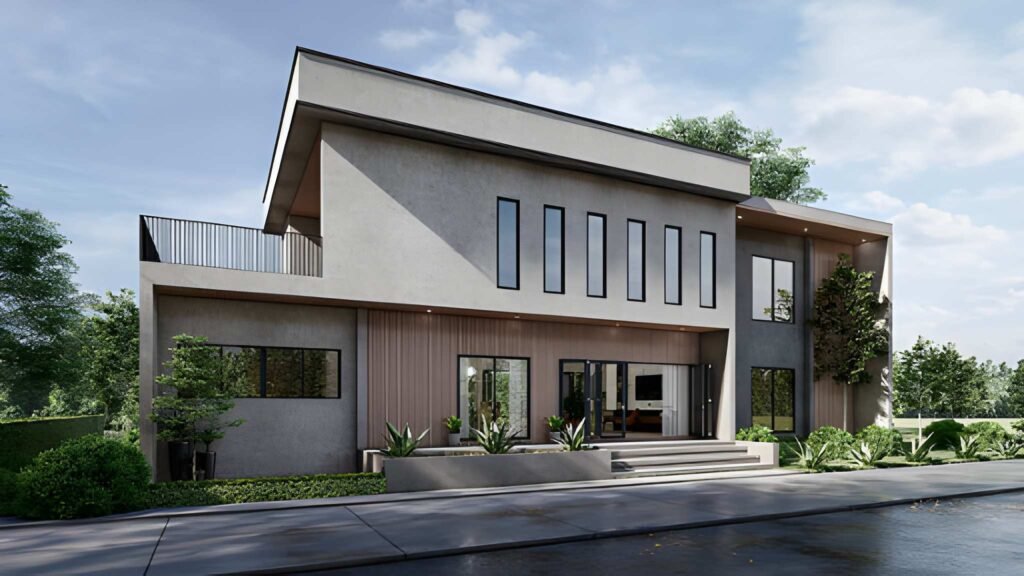
While individual homes within the village are often custom-designed, they are guided by a set of architectural covenants that ensure a unified ecological and aesthetic vision. These are not restrictive homeowners’ association rules about paint colors, but performance-based guidelines that mandate high standards for energy efficiency, sustainable materials, and passive solar design. The visual language tends toward a vernacular modernism, using locally sourced materials like timber, stone, and rammed earth that root the buildings in their bioregion. The emphasis is on quality, durability, and a harmonious relationship with the landscape, not on grandiose size.
Crucially, the private dwelling is only one part of the housing typology. The eco village plan intentionally includes a diversity of housing options—small single-family homes, duplexes, townhouses, and live-work units—to attract a mix of ages, incomes, and family types. This prevents the economic homogeneity of a typical subdivision and fosters a richer social ecosystem. The heart of the village, both physically and socially, is the common house. This facility is the kitchen table of the community. It typically contains a large kitchen and dining hall for shared meals, guest rooms for visitors to reduce the need for spare bedrooms in every home, a workshop, a laundry facility, and spaces for childcare, meetings, and hobbies. The common house is the engine of social capital, facilitating the daily interactions and shared responsibilities that build a genuine sense of neighborhood.
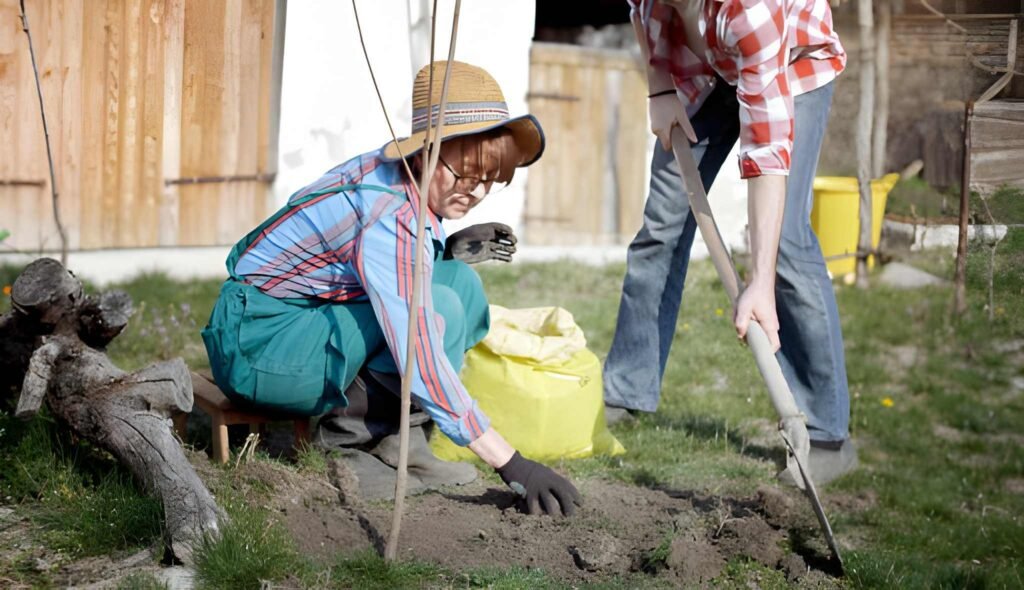
This social dimension is the most critical, and often the most challenging, element to get right. An eco village is not a real estate project; it is an intentional community. Its success hinges on a robust governance model, usually based on sociocracy or consensus, where residents have a direct voice in the management of their shared resources and spaces. This requires a significant commitment of time and emotional energy. Work is often shared through organized labor teams for maintaining the landscape, managing the food garden, and upkeep of common buildings. This shared work, while demanding, is the glue that binds the community, transforming neighbors from strangers into collaborators.
Table: The Pillars of an Eco Home Village
| Pillar | Suburban Model | Eco Village Model |
|---|---|---|
| Land Use | Large private lots, maximum build-out, segregated zones. | Clustered homes, minimal footprint, majority land held as conserved open space, mixed-use. |
| Resource Management | Individual wells/septic, grid-dependent energy, municipal water, curbside trash pickup. | Shared renewable microgrid, community rainwater harvesting, constructed wetland wastewater treatment, comprehensive recycling/composting. |
| Mobility | Car-dependent, wide roads, garages as primary facade. | Walkable/bikeable core, narrow lanes, car-sharing programs, prioritized pedestrian commons. |
| Social Structure | Private homes, limited common amenities, social interaction optional. | Common house as social hub, shared meals, collaborative governance, organized work teams, diversity of housing types. |
| Economy & Food | Globalized supply chain, ornamental landscaping. | Community-supported agriculture (CSA), shared food gardens, orchards, focus on local and regional goods. |
The Challenges and The Promise
The path to creating an eco village is fraught with obstacles. The largest is often municipal zoning codes, which are written for conventional development and are hostile to the clustered, mixed-use, and multi-family nature of a village. The financing and development process is complex, requiring a pioneering group of residents to commit early, often before shovels are in the ground. And the social challenge cannot be overstated; building a functional intentional community requires conflict resolution skills, patience, and a shared commitment to the common good that not all prospective residents possess.
Yet, the promise is immense. For residents, it offers a solution to loneliness, providing a ready-made network of support and friendship. It offers a tangible way to live one’s environmental values, with a collective impact far greater than what is possible alone. For children, it provides a unique upbringing immersed in nature and surrounded by a diversity of caring adults. For society, eco villages serve as vital test beds for sustainable technologies and social models, demonstrating a viable alternative to the resource-intensive and isolating patterns of modern development.
The eco home village is ultimately a return to an ancient idea—that humans thrive in community, and that our settlements should be in dialogue with, not in domination of, the land that sustains them. It is a practical, proven model that redefines the good life not as one of hyper-consumption and private ownership, but as one of rich relationships, shared resources, and a deep, abiding sense of place. It is not an escape from the world, but an active effort to build a better one, block by collaborative block.