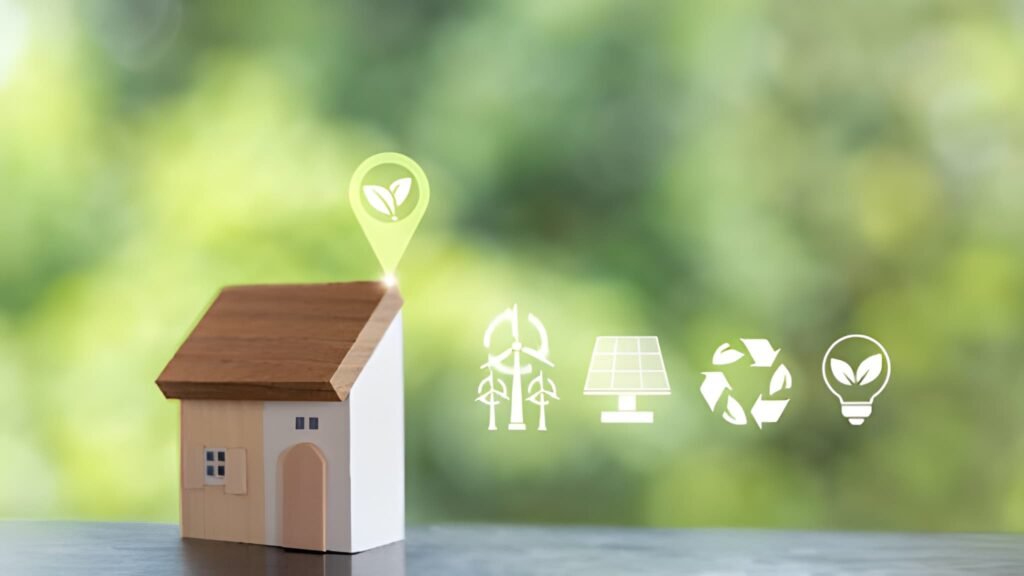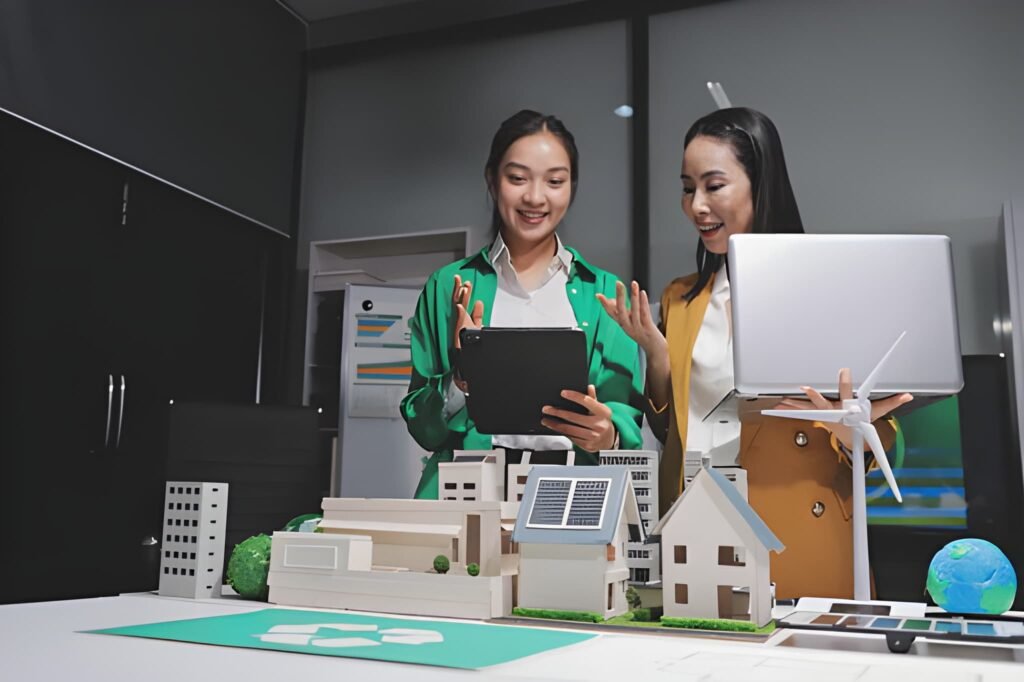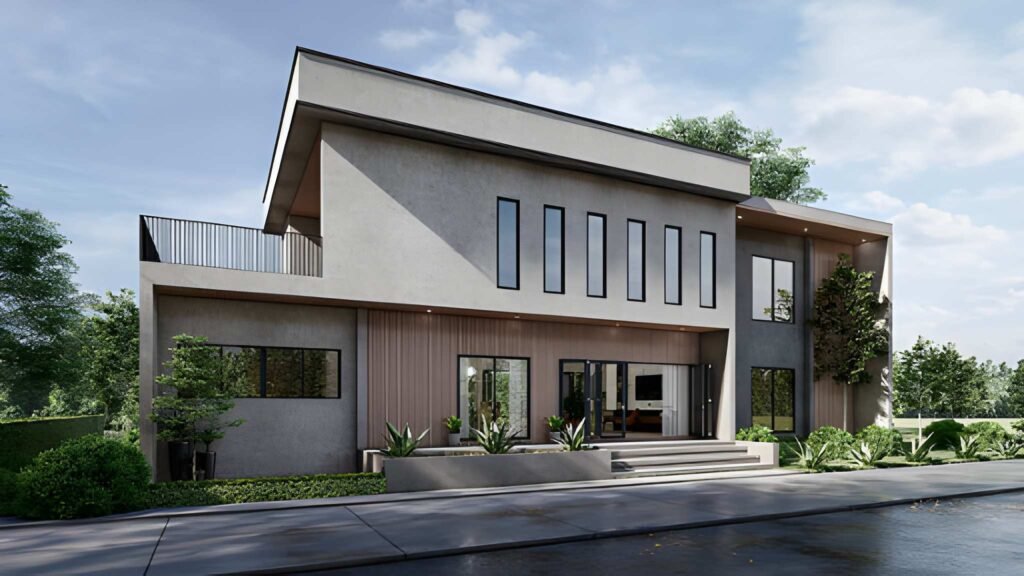
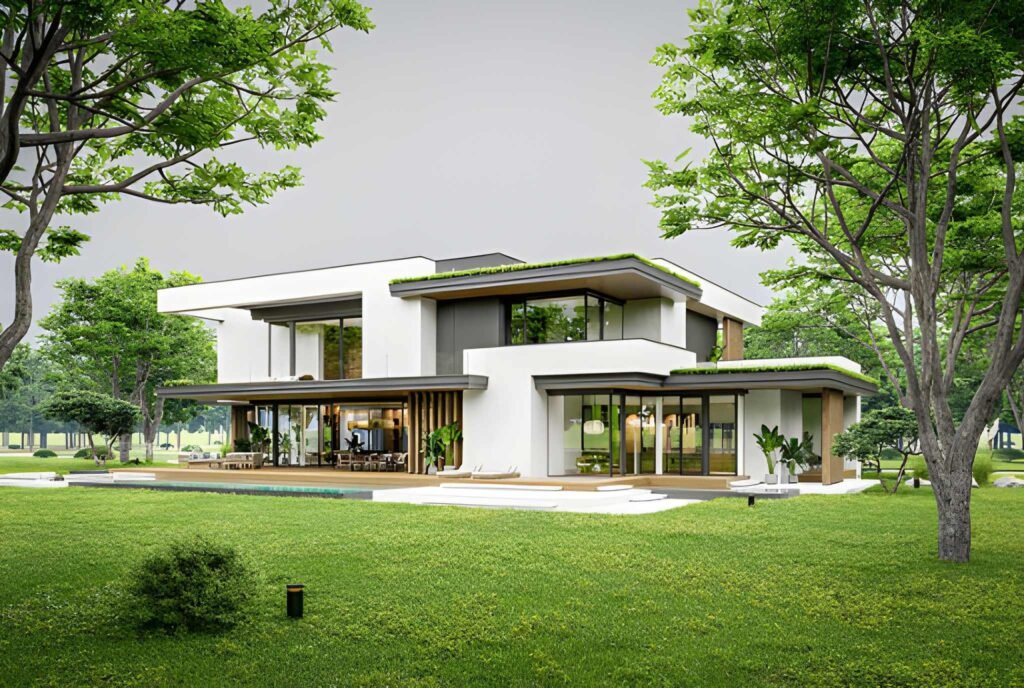
Eco-friendly prefab homes represent a paradigm shift in residential construction, merging the principles of environmental stewardship with the rigorous efficiency of factory-based manufacturing. This approach challenges the traditional, waste-heavy building site, offering a path to homeownership that is not only faster and often more cost-effective but also inherently more sustainable. The “eco-friendly” aspect is not an add-on; it is woven into the very DNA of the design, material selection, and construction process, resulting in a home that is high-performance, healthy, and resource-conscious from its foundation.
The Core Principles of Eco-Prefab Design
The sustainability of these homes is achieved through a multi-faceted strategy that leverages the advantages of factory production.
1. Radical Resource Efficiency and Waste Reduction
The controlled factory environment is the single greatest contributor to sustainability.
- Precision Fabrication: Computer-aided design (CAD) and computer-numerical-control (CNC) machines cut materials with millimeter accuracy, virtually eliminating the mis-cuts and off-cuts that account for up to 30% of waste on a traditional job site.
- Bulk Material Ordering: Factories order materials in bulk, reducing packaging waste and optimizing the use of every sheet of plywood, steel beam, and insulation batt.
- Waste Stream Management: Scrap wood, metal, and drywall are systematically collected, sorted, and recycled, rather than being sent to a landfill in a single dumpster.
2. Superior Building Envelope and Energy Performance
Prefab construction excels at creating an exceptionally tight and well-insulated building envelope, which is the cornerstone of energy efficiency.
- Airtight Construction: Modules are built in a climate-controlled setting, allowing for perfect sealing of joints and penetrations that would be challenging in windy or rainy on-site conditions. This dramatically reduces air infiltration, the primary cause of energy loss.
- Advanced Insulation: Factories can easily install thick, continuous layers of high-performance insulation (such as dense-pack cellulose, spray foam, or rigid mineral wool) without gaps or compression, achieving R-values far beyond typical code-built homes.
- Quality Control: Every module is built to the same exacting standard, eliminating the performance variations common in site-built homes dependent on different subcontractors and weather.
3. Integration of Sustainable Systems from the Outset
Eco-prefab homes are designed as integrated systems, not structures with green features bolted on.
- Designed for Solar Ready: Roofs are often engineered from the start for optimal solar panel placement and weight load.
- Pre-Plumbed for Efficiency: Plumbing runs are designed to be short and centralized to conserve water and energy, with easy integration for greywater systems and heat pump water heaters.
- Built-in Smart Home Infrastructure: Wiring for energy monitoring, efficient LED lighting, and smart thermostats is standard, allowing homeowners to manage their energy consumption intelligently.
Primary Models of Eco-Friendly Prefab
The prefab world is diverse, offering different approaches to suit various budgets, aesthetics, and site conditions.
| Model | Description | Key Eco-Friendly Characteristics |
|---|---|---|
| Panelized Homes | Wall, floor, and roof panels are built in a factory and assembled on-site like a kit. | Allows for highly customized designs; panels can be filled with advanced insulation; reduces on-site construction time and waste. |
| Modular Homes | Entire volumetric sections (rooms) are constructed in the factory, transported, and craned onto the foundation. | Offers the highest level of factory finish and quality control; incredibly airtight joints between modules; fast on-site assembly. |
| Structural Insulated Panels (SIPs) | Walls and roofs are made from a sandwich of oriented strand board (OSB) around a solid core of rigid foam insulation. | Creates an exceptionally strong, well-insulated, and airtight envelope immediately; reduces framing lumber use. |
| Passive House Prefab | Prefab homes built to the rigorous Passive House standard, the benchmark for ultra-low energy use. | Airtightness < 0.6 ACH@50; minimal heating/cooling needs; energy recovery ventilators (ERV) for fresh air; triple-pane windows. |
Material Choices Defining the Modern Eco-Prefab
The selection of materials is critical to minimizing the home’s environmental “embodied energy” and ensuring a healthy indoor environment.
- Structure: Use of FSC-certified wood, recycled steel framing, and engineered lumber (like LVL and PSL) that makes more efficient use of wood fiber.
- Insulation: Preference for bio-based materials like cellulose (recycled newspaper), wool, or wood fiber batts over petroleum-based foams. When foam is used, it’s often higher-performance and with a lower global warming potential.
- Interior Finishes: Standard use of zero-VOC paints, formaldehyde-free cabinetry (using CARB2 compliant plywood or wheatboard), and natural flooring like linoleum (made from linseed oil), cork, or bamboo.
- Exterior Siding: Durable, low-maintenance materials like fiber-cement, metal, or thermally modified wood that resist rot and weathering without toxic chemical treatments.
The Realistic Process and Investment
The journey to an eco-prefab home is different from a traditional build.
- Design and Financing: You work with the prefab company on design customization and secure financing (construction-to-permanent loans are common).
- Factory Fabrication (4-6 months): While your home is being built in the factory, your site is prepared—foundation poured, utilities run. This parallel process saves significant time.
- Site Assembly (Weeks, not Months): The modules or panels are delivered and assembled. The home is “dried in” in a matter of days.
- Finish Work: The final connections (utilities, stairs, interior trim) are completed on-site.
Cost: While the perception is that prefab is always cheaper, the value of a high-performance eco-prefab is in its quality and efficiency. You typically pay a comparable price per square foot to a custom site-built home, but you receive a far superior product in terms of energy performance, build quality, and speed of completion. The long-term savings on utilities and maintenance are substantial.
Eco-friendly prefab homes are no longer a futuristic concept but a mature, sophisticated, and logical solution for the modern homeowner. They offer a compelling trifecta: a dramatically reduced environmental footprint during and after construction, a healthier living environment free from the toxins of conventional building, and a level of precision, quality, and energy efficiency that is difficult to achieve through traditional methods. They represent a conscious choice to build smarter, not harder, proving that the most sustainable home is one that is thoughtfully designed, efficiently built, and engineered to perform for a lifetime.