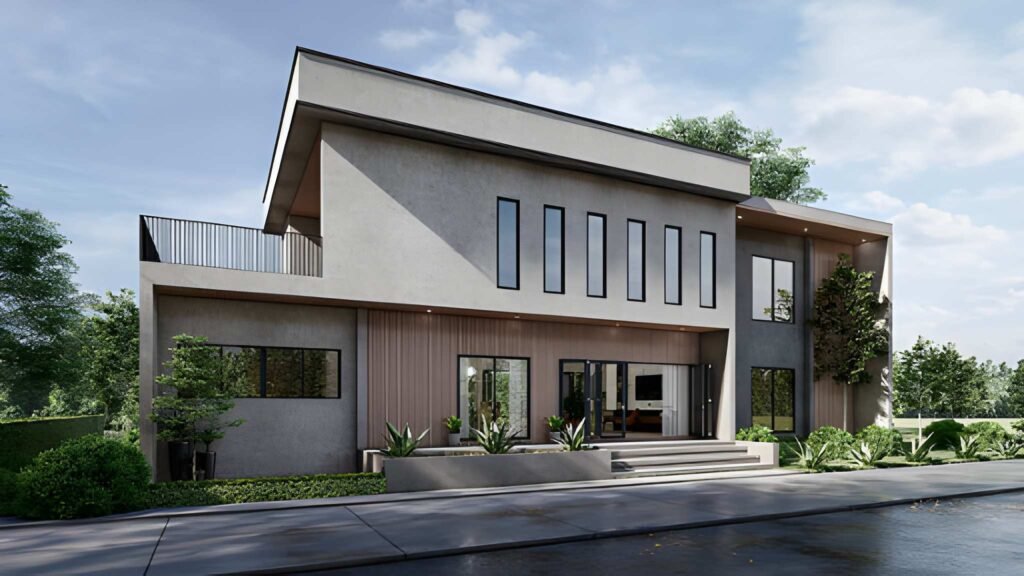
Eco modular homes represent a revolutionary approach to residential construction that combines environmental sustainability with factory precision. These are not merely manufactured homes with green features, but rather high-performance dwellings constructed in controlled factory environments using sustainable principles, then assembled on-site. This methodology offers significant advantages in waste reduction, quality control, and energy efficiency while maintaining architectural distinction.
The Modular Advantage in Sustainable Construction
Controlled Factory Environment:
- Precision Engineering: Computer-controlled cutting reduces material waste by 10-30%
- Weather-Independent Construction: No moisture damage during construction, better insulation installation
- Quality Control: Consistent implementation of air sealing and detailing
- Bulk Material Purchasing: Reduced packaging waste and transportation emissions
Construction Efficiency:
- Time Savings: 30-50% faster completion than site-built equivalent
- Labor Efficiency: Specialized crews repeating optimized processes
- Reduced Site Disturbance: Shorter on-site construction period
- Predictable Scheduling: Fewer weather and labor delays
Sustainable Design Methodologies
Passive House Principles in Modular Construction:
- Superinsulated Envelopes: R-30 to R-60 walls achievable with precision fabrication
- Airtight Construction: Typically 0.6 ACH50 or better, verified with factory testing
- Thermal Bridge-Free Design: Continuous insulation without penetrations
- High-Performance Windows: Triple-pane glazing with insulated frames
Energy Systems Integration:
- PV-Ready Design: Pre-wired for solar with optimized roof orientation
- Heat Recovery Ventilation: Balanced systems with factory-installed ductwork
- High-Efficiency HVAC: Right-sized systems for tight building envelopes
- Smart Home Technology: Integrated energy monitoring and control
Material Selection and Lifecycle Considerations
Sustainable Material Applications:
Structure and Envelope:
- FSC-Certified Wood: Responsibly harvested framing and finishes
- Structural Insulated Panels (SIPs): High R-value with reduced thermal bridging
- Engineered Lumber: Maximizes wood fiber utilization
- Metal Roofing: Long-lasting, recyclable, and solar-ready
Interior Environment:
- Zero-VOC Finishes: Paints, adhesives, and sealants
- Formaldehyde-Free Cabinetry: NAUF (No Added Urea Formaldehyde) substrates
- Natural Flooring: Bamboo, cork, linoleum, or reclaimed wood
- Healthy Insulation: Cellulose, wood fiber, or mineral wool
Water and Resource Management
Integrated Water Systems:
- Low-Flow Fixtures: Pre-installed WaterSense certified products
- Greywater Readiness: Piping configured for future greywater systems
- Rainwater Harvesting: Pre-plumbed for collection systems
- Native Landscaping: Drought-tolerant plant packages available
Waste Reduction Strategies:
- Prefabrication Waste: 60-90% less construction waste than site-built
- Recycled Content: Many modular components incorporate recycled materials
- Design for Disassembly: Some systems allow future reconfiguration or relocation
Cost Structure and Value Proposition
Financial Analysis:
Construction Costs:
- Base Modular Construction: $150-$300 per square foot
- Sustainable Upgrades: +10-25% for high-performance features
- Site Work: $50,000-$100,000+ (foundation, utilities, assembly)
- Total Project Cost: $200-$400+ per square foot
Lifecycle Value:
- Energy Savings: 50-80% reduction in heating/cooling costs
- Maintenance Reduction: Higher quality materials and installation
- Durability: Factory-controlled moisture management extends lifespan
- Resale Value: Certified green homes often command premium prices
Incentives and Financing:
- Energy-Efficient Mortgages: Higher debt-to-income ratios for efficient homes
- Tax Credits: Solar, geothermal, and energy efficiency incentives
- Utility Rebates: For high-efficiency appliances and systems
- Green Certification Premiums: Some lenders offer better terms for certified homes
Certification and Performance Standards
Common Certifications:
- LEED for Homes: Points for modular construction waste reduction
- ENERGY STAR: Standard for most quality modular manufacturers
- Passive House: Several modular builders specialize in certified projects
- Living Building Challenge: The most rigorous standard, achievable with modular
Performance Testing:
- Factory Blower Door Tests: Verify airtightness before shipment
- Thermal Imaging: Identify insulation gaps or thermal bridges
- System Commissioning: Verify all mechanical systems operate optimally
Design Flexibility and Architectural Styles
Beyond the “Box”:
- Custom Designs: Architect-designed modular homes indistinguishable from site-built
- Panelized Systems: Hybrid approach with factory-built panels assembled on-site
- Multiple Modules: Sophisticated designs using various module configurations
- Modern Aesthetics: Clean lines and open plans well-suited to modular construction
Style Adaptability:
- Contemporary: Most common, leverages modular strengths
- Traditional: Can replicate most architectural styles
- Regional: Adaptable to different climate zones and site conditions
- Expandable: Designed for future additions using same system
The Selection Process
Manufacturer Evaluation:
- Experience with Green Building: Track record with sustainable projects
- Engineering Capabilities: In-house structural and energy modeling
- Supply Chain: Relationships with sustainable material suppliers
- Transportation Logistics: Experience with your region’s requirements
Due Diligence Checklist:
- Visit factory to observe construction quality
- Speak with previous clients about performance
- Review energy modeling for your specific design
- Verify certifications and warranties
- Understand change order process and costs
Site Considerations and Integration
Optimal Site Conditions:
- Reasonable Access: Module transportation requires adequate roads
- Solar Orientation: Optimal siting for passive solar gain
- Natural Ventilation: Consider prevailing breezes in placement
- Water Management: Proper grading and drainage essential
Foundation Systems:
- Basement: Additional cost but provides storage and mechanical space
- Slab-on-Grade: Cost-effective with radiant heating compatibility
- Crawlspace: Accessible for utilities with less excavation
- Pilings: Minimal site disturbance for difficult terrain
Challenges and Limitations
Common Obstacles:
- Transportation Costs: Can be significant for remote sites
- Crane Requirements: Need for heavy equipment on assembly day
- Design Flexibility: Some complex designs challenging to modularize
- Local Permitting: Some jurisdictions unfamiliar with modular construction
Mitigation Strategies:
- Early Contractor Involvement: Include modular specialist in design phase
- Community Education: Work with building officials throughout process
- Contingency Planning: Budget for unexpected site conditions
- Phased Implementation: Complex sites may benefit from panelized systems
Leading Eco Modular Manufacturers
High-Performance Specialists:
- Method Homes: Focus on modern design and sustainable materials
- Blu Homes: Steel-frame construction with high energy performance
- Unity Homes: Panelized system meeting Passive House standards
- EcoCraft Homes: Custom modular with extensive green features
Regional Specialists:
- Deltec: Round homes optimized for energy efficiency
- Stillwater Dwellings: Pacific Northwest focus with sustainable materials
- Bamboo Living: Tropical designs using renewable bamboo
Future Trends and Innovations
Emerging Technologies:
- Biophilic Design: Increased integration with natural environment
- Circular Economy Principles: Design for disassembly and material reuse
- Smart Grid Integration: Homes as energy producers and storage units
- Healthy Materials: Advancement in non-toxic building products
Industry Evolution:
- Robotic Fabrication: Increased precision and customization
- Blockchain Supply Chain: Verified sustainable material sourcing
- 3D-Printed Components: Custom details with minimal waste
- Community-Scale Development: Modular eco-neighborhoods
Case Study: Typical Project Timeline
Months 1-2: Design development, manufacturer selection, site preparation
Months 3-4: Factory construction, foundation work, utility installation
Month 5: Module delivery and assembly (1-5 days)
Months 6-7: Site work completion, interior finishes, system commissioning
Total: 6-8 months from design to occupancy
Conclusion
Eco modular homes represent the synthesis of sustainable design principles with advanced manufacturing techniques. They offer a compelling solution for homeowners seeking high-performance, healthy living environments with predictable costs, reduced construction timelines, and minimal environmental impact. While the approach requires careful planning and coordination, the benefits—including superior energy performance, reduced waste, and exceptional quality control—make eco modular construction an increasingly attractive option for environmentally conscious homeowners. As manufacturing technologies advance and sustainable materials become more accessible, eco modular homes are poised to become a dominant force in the future of residential construction, offering a practical pathway to creating beautiful, high-performance homes with significantly reduced ecological footprints.