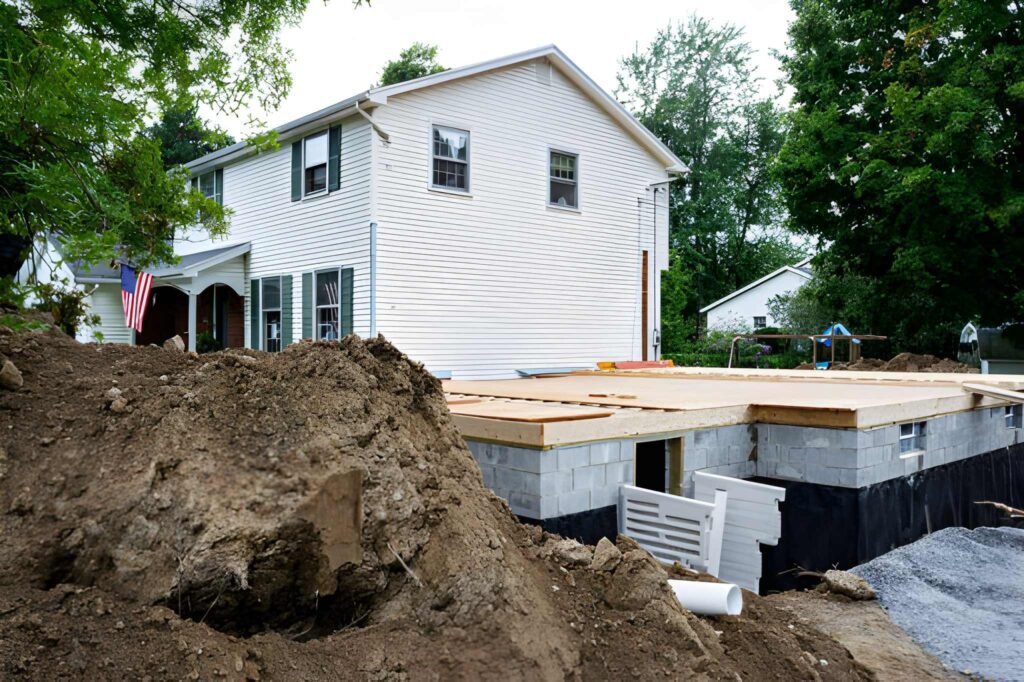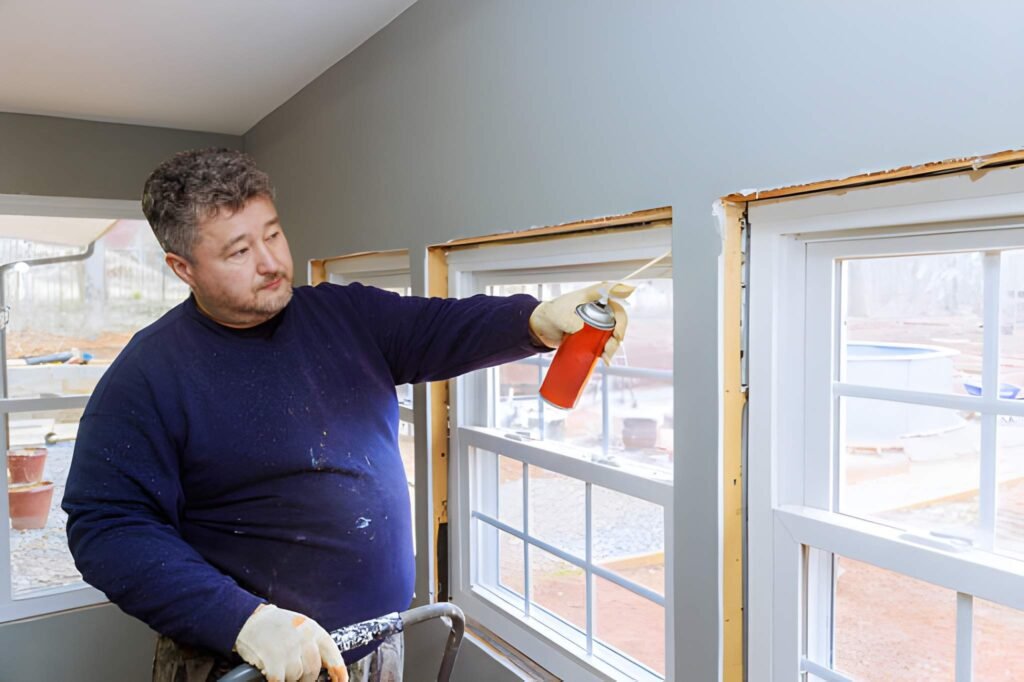
Navigating the landscape of single family housing repair assistance can provide crucial financial support for homeowners facing necessary repairs but lacking the immediate funds. These programs, primarily administered through government agencies, offer favorable terms to help maintain home safety, address code violations, and improve energy efficiency. Understanding the eligibility requirements, application processes, and appropriate use of funds is essential for accessing these valuable resources.
USDA Single Family Housing Repair Programs
Section 504 Home Repair Program:
This program provides loans and grants to very low-income homeowners in rural areas to repair, improve, or modernize their homes or remove health and safety hazards.
Loans:
- Maximum Amount: $40,000
- Term: 20-year repayment period
- Interest Rate: Fixed at 1%
- Eligibility: Must be homeowner and occupy the house, be unable to obtain affordable credit elsewhere, have family income below 50% of area median income
- Use of Funds: Repairs and improvements that make the dwelling safer, more sanitary, or remove health hazards
Grants:
- Maximum Amount: $10,000
- Eligibility: Homeowners aged 62 or older who cannot repay a Section 504 loan
- Special Conditions: Grants must be repaid if property is sold in less than 3 years
- Use of Funds: Only to remove health and safety hazards
Program Features:
- Combined Packages: Homeowners can receive both loan and grant funds
- Servicing: Loans are serviced by USDA Rural Development
- Geographic Restrictions: Property must be located in eligible rural area
- Application: Through local USDA Rural Development office
HUD Title 1 Property Improvement Loan Program
Program Structure:
- Maximum Loan Amount: $25,000 for single family homes
- Term: Up to 20 years
- Interest Rates: Determined by lenders but typically competitive
- Credit Requirements: More flexible than conventional loans
- Security: Unsecured for loans under $7,500; secured by property for larger amounts
Eligible Improvements:
- Structural alterations and renovations
- Modernization and weatherization
- Elimination of health and safety hazards
- Landscaping and site improvement
- Accessibility modifications for disabled persons
Application Process:
- Obtain through HUD-approved lenders
- No equity requirement
- Property must be 1-4 unit dwelling
- No minimum credit score specified
State and Local Housing Repair Programs
Community Development Block Grant (CDBG) Program:
- Administration: Local cities and counties
- Funding Source: HUD
- Typical Assistance: Grants or deferred-payment loans
- Common Requirements: Income limits, property location within target areas
- Use of Funds: Critical repairs addressing health and safety issues
Weatherization Assistance Program (WAP):
- Purpose: Improve energy efficiency in homes of low-income families
- Benefits: Reduced energy bills and improved home comfort
- Eligibility: Income-based, with priority to elderly, disabled, and families with children
- Services: Insulation, air sealing, heating system repairs/replacement
State Housing Finance Agency Programs:
- Examples: California’s CalHome, Texas’ Home Repair Program
- Assistance Types: Grants, low-interest loans, forgivable loans
- Special Focus: Often target specific populations (elderly, disabled, veterans)
- Funding Levels: Vary significantly by state and program funding
Nonprofit and Charitable Organization Programs
Habitat for Humanity Repair Programs:
- Critical Home Repair: Addressing structural, health, and safety issues
- Aging in Place: Modifications for senior homeowners
- Weatherization: Energy efficiency improvements
- Cost Structure: Low-cost loans or grants based on income
Rebuilding Together:
- Focus: Home repairs for low-income homeowners, particularly elderly, disabled, and families with children
- Services: Comprehensive repairs at no cost to homeowners
- Volunteer-Based: Utilizes skilled volunteers and professional contractors
Eligibility Requirements Overview
Income Limits:
- Very Low Income: Typically below 50% of area median income
- Low Income: 50-80% of area median income
- Moderate Income: 80-120% of area median income
- Documentation: Tax returns, pay stubs, benefit statements
Property Requirements:
- Owner-occupied primary residence
- Single family home (1-4 units in some programs)
- Meets program geographic boundaries
- No outstanding code violations in some cases
- Adequate property insurance may be required
Applicant Criteria:
- U.S. citizenship or permanent residency
- Demonstrated ability to repay loans (for loan programs)
- Satisfactory credit history (varies by program)
- Current on mortgage payments and property taxes
Application Process
Documentation Checklist:
- Proof of homeownership (deed or title)
- Income verification for all household members
- Photo identification
- Recent mortgage statement
- Property tax records
- Homeowners insurance policy
- Recent utility bills
- Repair estimates from licensed contractors
Application Steps:
- Pre-application Research: Identify suitable programs and eligibility
- Initial Inquiry: Contact program administrator for specific requirements
- Home Inspection: Program representative assesses repair needs
- Application Submission: Complete all required forms and documentation
- Underwriting Review: Income, credit, and property qualification
- Approval and Closing: Sign agreements and disburse funds
- Repair Completion: Work performed by approved contractors
- Final Inspection: Verify satisfactory completion of repairs
Financial Considerations
Loan Terms Comparison:
- USDA Section 504 Loans: 1% interest, 20-year term
- HUD Title 1 Loans: Market rates, up to 20-year term
- State Programs: Varying rates and terms, often below market
- Nonprofit Programs: Often 0% interest or forgivable loans
Grant Advantages:
- No repayment requirement
- Typically not considered taxable income
- May have recapture provisions if home sold within specified period
- Often targeted to specific repair types or homeowner populations
Strategic Planning for Home Repair Financing
Priority Assessment:
- Immediate Needs: Health and safety hazards (electrical, structural, plumbing)
- Secondary Needs: Energy efficiency, accessibility, cosmetic improvements
- Long-term Planning: Roof replacement, major system upgrades
Funding Layering Approach:
- Utilize grant funds first for eligible repairs
- Supplement with low-interest loan programs
- Consider personal funds for non-eligible items
- Explore energy efficiency rebates and tax credits
Common Challenges and Solutions
Application Barriers:
- Complex Documentation: Work with housing counselors
- Credit Issues: Seek programs with flexible underwriting
- Income Qualification: Explore multiple program options
- Geographic Limitations: Research state and local alternatives
Program Limitations:
- Funding Availability: Apply early in funding cycles
- Repair Scope Restrictions: Prioritize eligible critical repairs
- Contractor Requirements: Use program-approved contractors
- Timeline Constraints: Plan for application and approval processing time
Success Factors for Approval
Strong Applications Typically Feature:
- Complete and accurate documentation
- Clear demonstration of need
- Reasonable repair estimates
- Good standing on existing housing obligations
- Cooperation with program requirements
- Realistic repayment ability (for loans)
Resources and Assistance
HUD-Approved Housing Counseling Agencies:
- Provide free or low-cost advice
- Assist with application preparation
- Help understand program options
- Offer financial counseling
Local Government Housing Departments:
- Information on available programs
- Application assistance
- Referrals to appropriate resources
- Updates on funding availability
Conclusion
Single family housing repair loans and grants provide vital resources for homeowners needing to maintain their homes but facing financial constraints. The key to successful access lies in thorough research, careful preparation, and persistence in navigating sometimes complex application processes. By understanding the various program options, eligibility requirements, and application strategies, homeowners can secure the necessary funding to address critical repairs, improve living conditions, and protect their most significant investment. Regular monitoring of program updates and maintaining good communication with program administrators can significantly enhance the likelihood of obtaining needed assistance.