Trailer house (manufactured home) roof repair requires specialized knowledge distinct from traditional site-built home repairs. These roofs feature unique structural considerations, materials, and installation methods that demand specific repair approaches. Understanding the different roofing systems and their failure points is crucial for effective, lasting repairs that protect your investment.
Understanding Mobile Home Roof Types
1. Metal Ribbed Roofs:
- Most common on older manufactured homes
- Characterized by vertical ribs (typically 1.5-3 inches apart)
- Usually galvanized steel or aluminum
- Prone to rust, loose fasteners, and seam separation
2. EPDM Rubber Roofs:
- Single-ply membrane system
- Typically black or white rolled rubber material
- Common on newer manufactured homes
- Vulnerable to punctures, UV degradation, and seam failure
3. Shingled Roofs:
- Similar to traditional asphalt shingles
- Applied over roof deck on higher-end manufactured homes
- Subject to same issues as conventional shingles but with different underlying structure
Common Mobile Home Roof Problems
Structural Issues:
- Roof Sag: Often indicates structural frame problems or water saturation of roof deck
- Frame Separation: Caused by transportation stress or foundation settling
- Loose Fasteners: Screws/nails working loose due to thermal expansion and home flexing
Material-Specific Failures:
- Metal Roofs: Rust at fastener holes, seam separation, rib damage
- EPDM Roofs: Punctures from debris, seam adhesive failure, UV cracking
- Shingled Roofs: Wind damage, granule loss, improper installation
Water Damage Indicators:
- Rust stains on interior ceiling
- Soft spots in roof deck
- Water marks along roof bows or rafters
- Musty odor in home
Repair Approaches by Roof Type
Metal Ribbed Roof Repair:
Minor Leak Repair:
- Clean affected area with wire brush
- Apply butyl rubber sealant under loose fasteners
- Replace rusted screws with same size/stype
- Use metal roof patch kit for small holes
Major Repair/Recoating:
- Complete cleaning with power washer
- Rust treatment with phosphoric acid converter
- Application of elastomeric roof coating
- Full resealing of all seams and fasteners
EPDM Rubber Roof Repair:
Puncture Repair:
- Clean area with EPDM cleaner
- Apply primer to both patch and roof surface
- Use EPDM patch kit with seam tape
- Roll thoroughly to ensure adhesion
Seam Repair:
- Clean seam area thoroughly
- Apply EPDM seam tape or liquid seam sealer
- Use weighted roller for proper adhesion
- Allow proper cure time before water exposure
Shingled Roof Repair:
Follow conventional shingle repair methods but be mindful of the potentially lighter roof deck structure and different ventilation requirements.
Specialized Considerations for Mobile Homes
Ventilation Requirements:
- Proper attic ventilation is critical to prevent condensation
- Check that roof vents and soffit vents are clear and functional
- Never block ventilation channels during repairs
Weight Limitations:
- Roof structures may not support heavy materials
- Consult manufacturer specifications before adding new roofing layers
- Consider weight when choosing repair materials
Thermal Expansion:
- Manufactured homes experience significant expansion/contraction
- Use flexible sealants and proper fastening techniques
- Allow for movement in all repair designs
Professional Repair Process
Assessment Phase:
- Interior and exterior inspection
- Moisture meter testing of roof deck
- Structural assessment of roof framing
- Documentation of all issues
Repair Protocol:
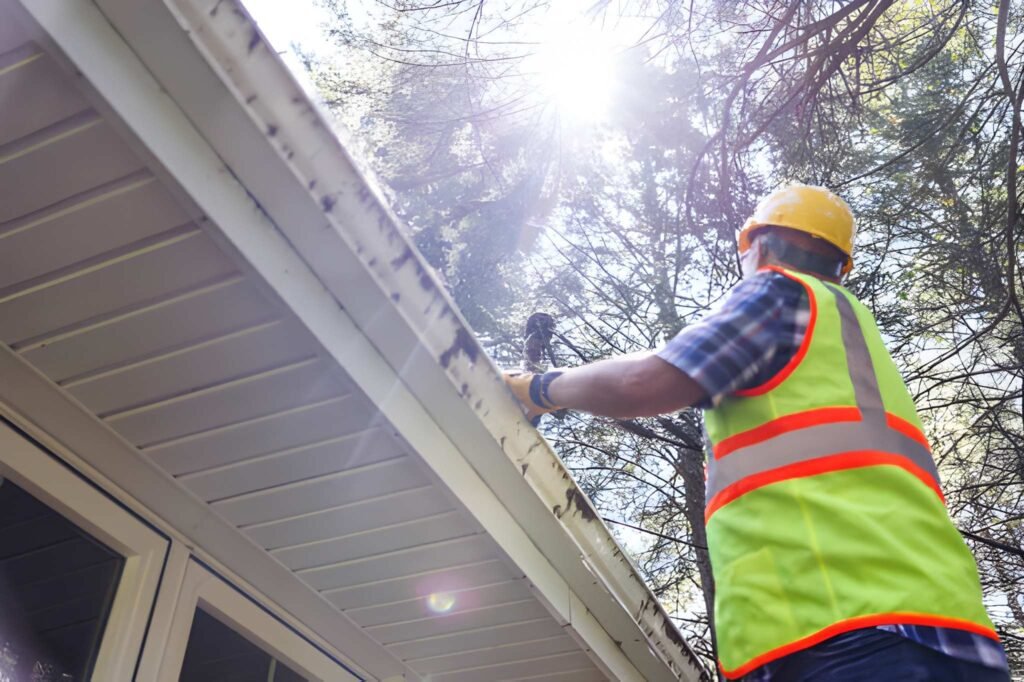
- Safety Setup: Proper fall protection, stable ladder placement
- Surface Preparation: Thorough cleaning, rust removal, debris clearance
- Material Selection: Manufacturer-approved materials, compatible systems
- Repair Execution: Methodical approach addressing all identified issues
- Quality Verification: Water testing, adhesion testing, final inspection
Cost Considerations
Repair Cost Ranges:
- Minor repairs (sealant, small patches): $200 – $500
- Moderate repairs (multiple patches, recoating): $500 – $2,000
- Major repairs (section replacement, structural work): $2,000 – $5,000
- Full roof replacement: $4,000 – $12,000+
Factors Affecting Cost:
- Roof type and accessibility
- Extent of water damage to structure
- Local labor rates and material availability
- Need for specialized equipment or materials
DIY vs Professional Repair
Suitable DIY Projects:
- Applying sealant to small leaks
- Replacing individual fasteners
- Cleaning and maintaining roof surface
- Applying protective coatings
Professional Recommended:
- Structural repairs to roof framing
- Extensive water damage
- EPDM seam separation
- Any repair requiring roof deck replacement
- Electrical component proximity
Preventive Maintenance Schedule
Monthly:
- Visual inspection for obvious damage or debris
- Check for loose fasteners or visible sealant failure
Semi-Annual:
- Thorough cleaning of roof surface
- Inspection and cleaning of all roof vents
- Check and reseal any questionable areas
- Verify proper drainage
Annual:
- Professional inspection if over 5 years old
- Recoating if using protective coatings
- Structural assessment of roof supports
Safety Protocols
Working at Height:
- Use fall protection on roofs steeper than 4/12 pitch
- Ensure ladders extend 3 feet above roof line
- Work with assistant for emergency situations
- Avoid working in wet or windy conditions
Material Handling:
- Use proper lifting techniques for heavy materials
- Secure all tools and materials from falling
- Wear appropriate PPE including gloves and eye protection
Insurance and Warranty Considerations
Insurance Claims:
- Document damage thoroughly before repairs
- Understand policy coverage for manufactured homes
- Some policies exclude certain roof types or ages
- Maintain records of all maintenance and repairs
Warranty Protection:
- Manufacturer warranties may be voided by improper repairs
- Use manufacturer-approved materials when possible
- Keep records of all professional repairs
- Understand transferability if selling home
Emergency Temporary Repairs
Quick Leak Mitigation:
- Use heavy-duty tarps secured with sandbags or strapping
- Apply emergency roof cement to active leaks
- Divert water with temporary gutters or channels
- Place containers indoors to catch active dripping
Documentation:
- Photograph damage before temporary repairs
- Note location and severity of all leaks
- Keep receipts for temporary repair materials
Long-term Roof Protection
Protective Coatings:
- Elastomeric coatings for metal roofs
- UV-protective coatings for EPDM
- Regular reapplication per manufacturer schedule
Structural Monitoring:
- Regular checks for roof sag or frame separation
- Monitor foundation settling that affects roof
- Address minor issues before they become major problems
Conclusion
Trailer house roof repair demands specialized knowledge of manufactured home construction and appropriate repair techniques. The most successful outcomes result from proper diagnosis, use of compatible materials, and attention to the unique structural characteristics of mobile homes. Regular maintenance and prompt attention to minor issues can significantly extend roof life and prevent costly interior damage. Whether undertaking DIY repairs or hiring professionals, understanding your specific roof system and its requirements is essential for protecting your home investment and ensuring a safe, watertight shelter.