A roof repair is one of the most critical maintenance interventions a homeowner can undertake. It is not merely a cosmetic fix but a fundamental defense of the entire structure, protecting it from water infiltration, structural decay, and energy loss. A proactive approach to roof repair can prevent exponential damage to insulation, drywall, electrical systems, and the home’s framing, making it a strategic investment in the property’s long-term value and habitability.
The Diagnostic Phase: Identifying the Problem
Before any repair begins, a thorough inspection is essential. The goal is to distinguish between a simple, localized repair and a symptom of systemic failure requiring a full replacement.
Common Signs of Roof Damage:
- Interior Indicators: Water stains on ceilings or walls, dark streaks, peeling paint, or a musty odor in the attic.
- Exterior Indicators: Curled, cracked, or missing shingles; piles of granules in gutters (indicating advanced shingle wear); sagging rooflines; and moss or algae growth that can lift shingles and trap moisture.
Key Areas of Failure:
- Flashing: The thin metal strips installed at roof transitions (chimneys, vents, skylights, valleys) are the most common source of leaks. They can rust, crack, or pull away from the roof plane.
- Shingles/Tiles: Individual shingles can be damaged by wind, hail, or sun exposure.
- Underlayment: The water-resistant barrier beneath the shingles can degrade over time, especially if a leak has been persistent.
- Valleys: The V-shaped channels where two roof planes meet are high-volume water pathways and are prone to wear and leakage.
- Vent Boots: The rubber seals around plumbing vents can dry rot and crack, allowing water to enter.
The Spectrum of Roof Repairs: From Patch to Overhaul
1. Minor, Targeted Repairs (DIY or Handyman)
These are localized fixes for isolated problems.
- Replacing a Few Shingles: Carefully prying out damaged shingles and nailing in new ones, ensuring they are properly sealed and aligned.
- Resealing Flashing: Applying a high-quality roofing sealant (like polyurethane or silicone) to small cracks or gaps in flashing. This is often a temporary fix.
- Cleaning and Clearing: Removing debris from valleys and gutters, and carefully cleaning moss or algae to prevent moisture retention.
2. Moderate, Professional-Grade Repairs (Licensed Roofer)
These repairs address more significant damage or failure in specific components.
- Section Re-roofing: Replacing all roofing layers (shingles, underlayment) in a specific damaged section, such as after a tree limb impact. The challenge is blending the new section with the old roof.
- Flashing Replacement: Removing and professionally reinstalling the flashing around a chimney, vent, or wall. This requires skill to ensure a watertight integration with the surrounding roof.
- Valley Replacement: Installing new valley metal or woven shingles in a leaking valley to restore proper water flow.
- Soffit/Fascia Repair: Replacing rotted wood in the eaves to maintain proper attic ventilation and structural integrity.
3. Major Repairs & Partial Replacement (Licensed Roofer)
This approaches the scope and cost of a full replacement and is often triggered by storm damage or the failure of a large section.
- Multiple Section Replacement: When several areas of the roof are failing but the overall structure is sound.
- Decking Repair: Replacing sections of the roof deck (the plywood or OSB sheathing) that have become rotten or soft from long-term moisture exposure. This is a labor-intensive repair that is often discovered only after the shingles are removed.
The Professional Repair Process: A Step-by-Step Overview
- Inspection & Estimate: A reputable roofer will perform a thorough inspection, often using drones for safety and accuracy, and provide a detailed, line-item estimate.
- Material Selection: Matching existing shingles for a repair can be difficult. The roofer will source the closest possible match. For flashing, modern best practice often involves using longer-lasting metals like copper or coated steel instead of aluminum.
- Site Preparation: This includes laying tarps to protect landscaping, setting up safety equipment, and ensuring dumpsters and material delivery points are established.
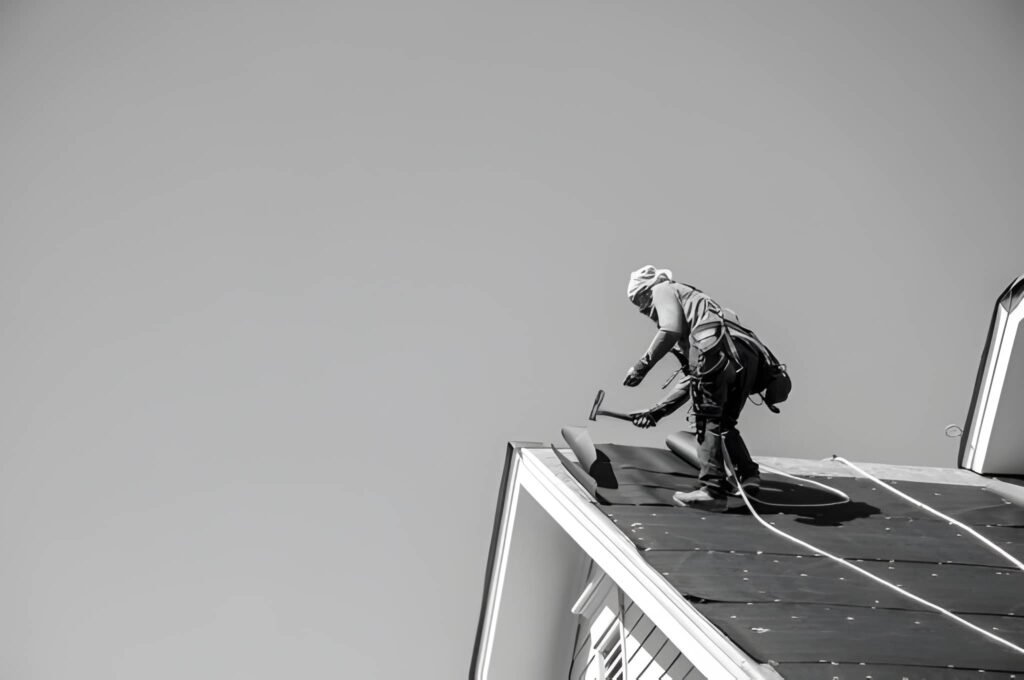
- Execution: The damaged materials are removed. The exposed deck is inspected for rot. New underlayment is installed, followed by the new shingles and flashing, with meticulous attention to sealing around all penetrations.
- Cleanup & Inspection: The site is cleaned magnetically to remove nails, debris is hauled away, and a final walk-through is conducted with the homeowner.
The Critical Decision: Repair vs. Replace
This is a financial and practical calculation. Use the “25% Rule” as a guideline: if the cost of the repair is more than 25-30% of the cost of a full roof replacement, and the existing roof is near the end of its lifespan, replacement is often the wiser long-term investment.
Table: Repair vs. Replacement Guide
| Factor | Favors Repair | Favors Replacement |
|---|---|---|
| Age of Roof | Less than 10-15 years old. | Nearing or past its expected lifespan (20-25 years for asphalt). |
| Scope of Damage | Localized to a small area (e.g., a few shingles, one flashing joint). | Widespread damage, multiple leaks, or sagging decking. |
| Financial Consideration | Cost is a small fraction of a new roof. | Cost of repairs is high; investing in a new roof offers better value and warranty. |
| Insurance Claim | Damage is minor and not covered. | Damage is significant and caused by a covered peril (like hail or wind). |
Cost Factors and Budgeting
Roof repair costs are highly variable. Key factors include:
- Roof Pitch and Complexity: Steep or multi-faceted roofs are more dangerous and time-consuming to work on.
- Materials: The cost of replacement shingles, metal flashing, and underlayment.
- Extent of Damage: The size of the area and whether the decking needs replacement.
- Location: Labor costs vary by region.
Sample Cost Ranges:
- Minor Shingle Repair: $150 – $400
- Flashing Repair/Replacement: $300 – $1,000
- Partial Roof Replacement (10-20 squares): $1,500 – $4,000+
- Full Roof Replacement: $8,000 – $25,000+
Insurance and Warranties
- Homeowners Insurance: Typically covers damage from specific, sudden events (wind, hail, falling trees). It does not cover repairs needed due to wear and tear, age, or lack of maintenance.
- Workmanship Warranty: A reputable roofer will offer a warranty on their labor (e.g., 2-5 years).
- Manufacturer’s Warranty: The materials themselves carry a warranty, but it may be voided by improper installation.
Conclusion: An Investment in the Building Envelope
A roof repair is a strategic defense of your home’s integrity. While minor issues can be addressed proactively, significant repairs demand the skill of a licensed, insured, and reputable professional. The decision to repair or replace should be based on a realistic assessment of the roof’s age, the extent of the damage, and a long-term financial calculation. A well-executed roof repair not only stops active damage but also preserves the home’s structural health, energy efficiency, and ultimate market value, securing the shelter that defines the home itself.