The one-story luxury home, often referred to as a ranch-style estate, represents a sophisticated departure from vertical living, prioritizing seamless flow, universal accessibility, and a profound connection to the landscape. This architectural choice is no longer seen as a compromise but as a deliberate embrace of a refined, efficient, and inherently comfortable lifestyle. The luxury lies not in soaring ceilings and grand staircases, but in expertly curated spatial relationships, exquisite materiality, and the creation of a sanctuary where every element exists on a single, human-scaled plane. Designing such a home requires a masterful hand to avoid a sprawling, disjointed layout, instead creating a cohesive and intimate environment that feels both expansive and nurturing.
The Philosophical Foundation: The Art of the Plane
The core philosophy of the one-story luxury home is rooted in the concept of “horizontal living.” This approach rejects the compartmentalization of traditional multi-level homes in favor of a continuous, flowing space that promotes connection and ease of movement. The goals are multifaceted:
- Accessibility and Aging in Place: The design is inherently future-proof, eliminating barriers like staircases and allowing for graceful aging without the need for relocation or significant modification.
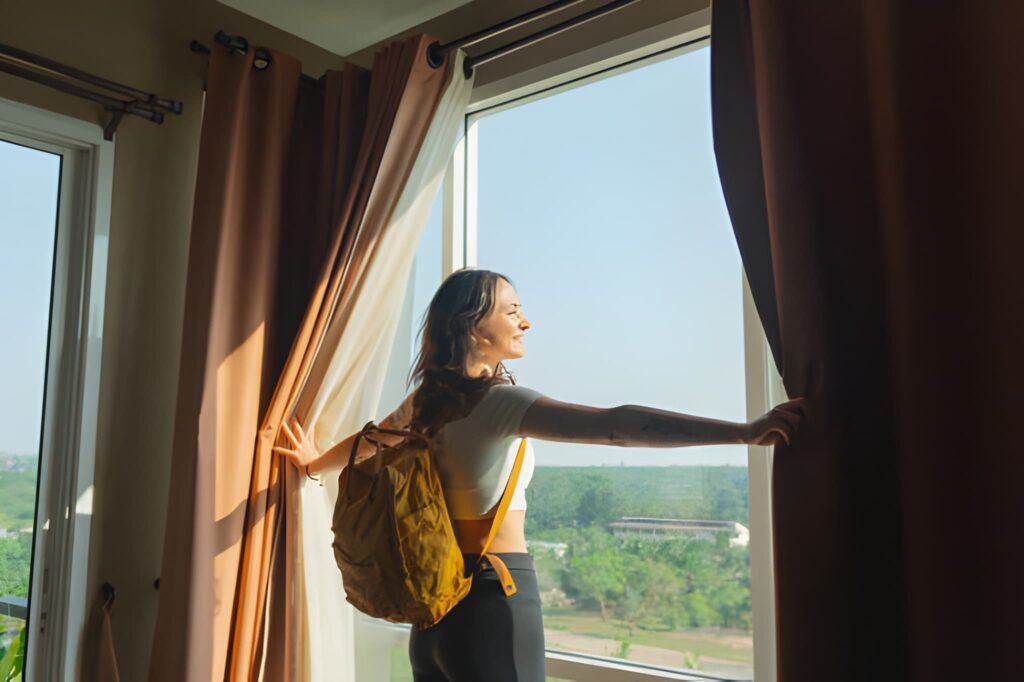
- Indoor-Outdoor Synthesis: With all primary living spaces on the same level, the boundary between inside and outside can be effortlessly dissolved through strategic placement of walls of glass, consistent flooring, and covered terraces that function as outdoor rooms.
- Spatial Drama through Volume and Light: Without a second floor to constrain it, the roof structure can be manipulated to create dynamic ceiling volumes—vaulted ceilings with exposed beams, clerestory windows that wash walls with light, and strategically lowered ceilings that define intimate areas without walls.
The Archetypal Layouts: Zoning for Luxury Living
Successful one-story plans are meticulously zoned to separate public, private, and utilitarian functions while maintaining a logical and elegant flow.
The Courtyard Plan: Inward Focus and Privacy
This layout organizes the home around a central, open-air courtyard or a series of enclosed gardens.
- Flow: The main living spaces—great room, kitchen, dining—form a U-shape or square around the central courtyard. A covered gallery or corridor often connects the wings, providing covered access to all rooms.
- Benefits: Creates a private, protected outdoor oasis that is visible from multiple rooms. It provides abundant natural light and cross-ventilation while maintaining complete privacy from the street. The courtyard becomes the home’s living, breathing centerpiece.
- Ideal For: Urban infill lots, properties with beautiful views that are best framed rather than fully exposed, and homeowners who value absolute privacy.
The Radial or “Pods” Plan: Clustered Specialization
This modern approach groups functions into distinct, interconnected wings or pods.
- Flow: A central “hub”—typically containing the kitchen, dining, and main living area—connects to dedicated wings for the primary suite, secondary bedrooms/offices, and potentially a guest or recreation pod.
- Benefits: Offers exceptional acoustic privacy and functional separation. The primary suite can feel like a remote retreat, while a home office or media room can be completely isolated from the main living areas. This plan often results in a more dynamic, organic footprint that responds to the site’s topography.
- Ideal For: Larger, irregular lots, families with older children or frequent guests, and those who work from home and require true quiet.
The Linear or “Pavilion” Plan: Axial Connection
This design arranges rooms along a central axis, often with a clear view from one end of the home to the other.
- Flow: Spaces are organized in a sequential, logical manner, e.g., Guest Wing -> Great Room -> Primary Wing. The axis is often punctuated by views of a significant landscape feature at either end.
- Benefits: Creates a powerful sense of procession and maximizes views. It is highly efficient to build and allows for easy future expansion. The long, low profile can have a striking, modernist aesthetic.
- Ideal For: Narrow lots, properties with panoramic views (water, mountains), and clients who appreciate clean, linear design.
The Luxury One-Story Program: A Detailed Breakdown
A comprehensive 3,500-4,500 square foot one-story luxury plan typically includes the following zones:
| Zone | Key Components | Design Considerations |
|---|---|---|
| The Approach & Entry | Courtyard, covered porte-cochere, landscaped path, dramatic pivot door. | Creates a transition from public to private; sets the architectural tone. |
| Public Zone (Great Room) | Open-plan kitchen, dining, and living area; walk-in pantry; bar; direct access to covered terrace and outdoor kitchen. | The heart of the home. Focus on sightlines, volume, and a seamless connection to the outdoors. |
| Primary Suite Wing | Bedroom with sitting area, oversized shower & freestanding tub, dual closets (one a walk-in), private courtyard or garden. | A true retreat, physically separated from other bedrooms for acoustic and visual privacy. |
| Secondary Bedroom Wing | 2-3 en-suite bedrooms, potential flex space for office/study, shared access to a secondary patio or garden. | Designed for comfort and privacy for family or guests, with its own identity. |
| Utility & Recreation Wing | Mudroom, laundry, powder bath, potential home gym, media room, or dedicated workshop/craft space. | Contains the “working” parts of the home, acoustically buffered from quiet zones. |
Critical Design Elements for Elevated Single-Story Living
To avoid a mundane, “ranch-style” feel, luxury plans incorporate specific architectural strategies:
- Varied Roof Lines: A combination of gables, shed roofs, and flat sections with parapets creates visual interest and defines different zones of the home from the exterior.
- Material Contrast: Using a mix of stone, stucco, vertical wood siding, and metal panels articulates the different wings and adds textural richness.
- The “Procession”: The experience of moving through the home is carefully choreographed. This involves changes in ceiling height, flooring materials, and lighting to signal transitions from public to private, formal to casual.
- Integrated Outdoor Rooms: Luxury is defined by covered terraces with full-height fireplaces, outdoor kitchens with plumbing and refrigeration, and landscaped gardens that are designed as extensions of the interior floor plan.
The one-story luxury home plan is a testament to the principle that true sophistication need not be vertical. It is a highly intelligent, responsive form of architecture that prioritizes the quality of the lived experience over impressive but often underutilized vertical space. It offers a timeless, accessible, and profoundly comfortable way of living where every room is connected to the earth, light floods the interior from multiple angles, and the rhythm of daily life flows unimpeded by stairs or barriers. In the hands of a skilled architect, the single-story plan becomes a masterpiece of horizontal grandeur, proving that the ultimate luxury is not in looking up, but in looking out and moving through a space designed for effortless, elegant living.