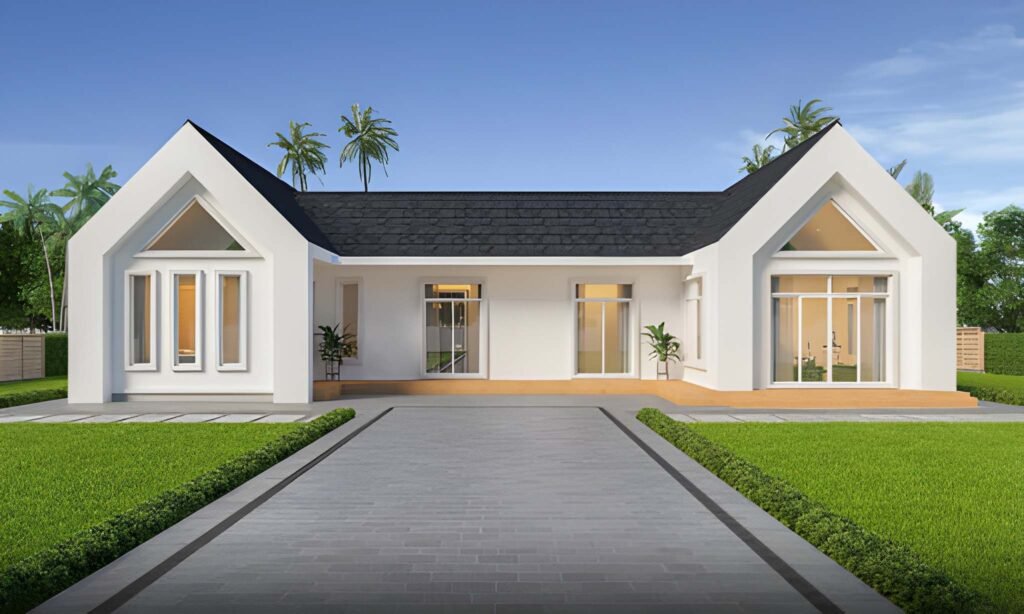
The one-story luxury country home represents a distinct architectural philosophy that prioritizes harmony with the landscape, seamless indoor-outdoor living, and an uncompromising focus on comfort and accessibility. This is not a compromised design but a deliberate choice for a life lived horizontally, where rooms flow into one another and the boundary between the built environment and the natural world is deliberately blurred. For empty-nesters, families seeking a relaxed compound, or those who simply value the profound peace of a sprawling, single-level dwelling, this home type offers a unique blend of rustic authenticity and sophisticated modernity, all anchored to the earth it occupies.
The Philosophical Foundation: Connection and Convenience
The luxury ranch or bungalow style is driven by a core principle: the home should serve as a platform to experience the land, not an obstacle to it. This philosophy manifests in several key ways:
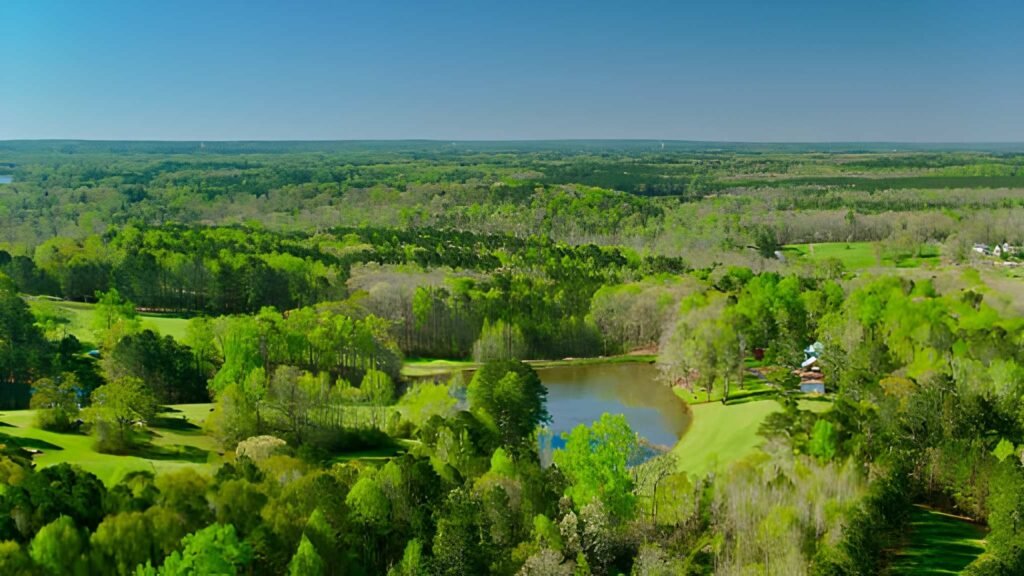
Horizontal Integration: The home spreads across its site, often in wings or pavilions, to minimize its visual impact and maximize contact with the outdoors. The goal is to feel nestled within the landscape, not perched above it.
The Journey of Approach: A long, meandering driveway builds anticipation, revealing the home gradually. The arrival sequence is carefully choreographed, leading to a central courtyard, a grand covered porch, or a striking entry that immediately frames a view through the home to the property beyond.
Aging in Place as a Feature, Not a Compromise: The single-level layout is inherently accessible, making it future-proof. Luxury is found in the ease of movement—no stairs to navigate, with wide doorways and flush thresholds that accommodate every stage of life without sacrificing style.
Architectural Styles and Expressions
While the single-story form is constant, its architectural expression can vary dramatically, drawing from regional vernacular and personal taste.
The Modern Farmhouse: This is the contemporary evolution of the American rural homestead. Characterized by steeply pitched metal roofs, board-and-batten or shiplap siding, and large black-framed windows. A sprawling, covered front porch is essential, often with a second porch off the primary suite. The aesthetic is clean, crisp, and rooted in tradition but executed with modern precision.
The Rustic Ranch: Inspired by the Western ranches of California and the Southwest, this style employs natural materials like rough-sawn timber, river rock, and stucco. The rooflines are low-pitched with deep overhangs, and the layout is often organized around a central courtyard or “rambling” in interconnected wings. Exposed wood beams and massive stone fireplaces are hallmarks.
The Contemporary Pavilion: This approach is minimalist and geometric. Think flat or butterfly roofs, vast planes of glass, and a strong connection between interior and exterior materials. The home becomes a series of interconnected glass-walled boxes that float lightly on the landscape, emphasizing the views. The luxury here is in the stark beauty, clean lines, and technological integration.
The European Country Manor: Evoking the grounded elegance of a French or Italian farmhouse, this style uses materials like limestone, terra cotta roof tiles, and plaster walls. The form is often a U-shape or H-shape, creating protected outdoor rooms and courtyards. The aesthetic is timeless, weathered, and deeply romantic.
The Floor Plan: Zoning for Graceful Living
The layout of a luxury one-story home is a masterclass in creating distinct zones within an open, flowing plan.
The Public Wing: The Heart of the Home
This area is designed for gathering and entertaining, typically encompassing:
- Great Room: A voluminous space combining living, dining, and often a library nook, anchored by a monumental fireplace. Ceilings soar to 14 feet or more, with exposed beams or coffered details.
- Chef’s Kitchen and Scullery: The kitchen is open to the great room but defined by a massive, stone-topped island. It features professional-grade appliances and a walk-in pantry. Crucially, a separate “scullery” or catering kitchen is hidden behind closed doors, containing the messier appliances, a second sink, and additional storage, allowing the main kitchen to remain pristine.
- Covered Outdoor Living Space: Directly accessible from the great room, this is a fully-equipped exterior room with a fireplace, summer kitchen, dining area, and comfortable seating, often with motorized screens or glass walls for year-round use.
The Private Wing: The Owner’s Sanctuary
Positioned for privacy and tranquility, this wing contains:
- Primary Suite: More than a bedroom, this is a personal retreat. It includes a sleeping area with direct access to a private patio or garden, a sitting area, a spa-like bathroom with a freestanding tub and oversized shower, and two extensive, custom-fitted walk-in closets.
- Study/Library: A quiet, paneled room with built-in shelving, a desk, and a comfortable reading chair, serving as a home office or a peaceful escape.
The Guest and Family Wing
Separated from the owner’s wing for privacy, this area includes:
- Guest Suites: Two or three en-suite bedrooms, each with its own character and access to outdoor spaces.
- Flex Space: A media room, game room, or home gym that can be closed off from the main living areas.
- Utility Core: A large laundry room with ample storage, a mudroom from the garage with built-in cubbies, and potentially a management office or craft room.
Premium Materials and Craftsmanship
The quality of a luxury country home is evident in its materiality, which should be authentic, durable, and deeply tactile.
Exterior Materials:
- Siding: Reclaimed wood, cedar shingles (that will silver over time), or stucco.
- Roofing: Standing-seam metal, slate, or terra cotta tile for longevity and character.
- Stonework: Local fieldstone or ledge stone for foundations, chimneys, and accent walls.
Interior Finishes:
- Floors: Wide-plank, character-grade oak or walnut, honed limestone, or large-format porcelain tiles.
- Millwork: Custom, floor-to-ceiling cabinetry and built-ins throughout, with fine woodworking details.
- Countertops: Full-slab natural stone (quartzite, marble) or leathered granite.
- Hardware: Solid, unlacquered brass, forged iron, or oil-rubbed bronze that will develop a patina.
Estate-Grade Amenities and Site Integration
The luxury extends beyond the home’s walls to the entire property.
The Outdoor Oasis:
- Pool and Cabana: A naturalistic or geometric pool with a stone deck, accompanied by a pool house containing a bathroom, changing room, and outdoor kitchen.
- Gardens: Both ornamental gardens and practical kitchen gardens or orchards.
- Recreational Features: A tennis or pickleball court, a putting green, or walking trails through the property.
Support Structures:
- Detached Garage: A multi-car garage with an apartment above for guests or staff.
- Barn or Workshop: For equestrian pursuits, automotive hobbies, or woodworking.
- Guest Cottage: A fully self-contained one-bedroom home for extended family or visitors.
A one-story luxury country home is the ultimate expression of grounded, comfortable elegance. It rejects vertical grandeur in favor of horizontal connection, creating a sanctuary that is both majestic and intimately scaled to human experience. It is a home designed not to impress from a distance, but to nurture and restore those who live within it, offering a daily life seamlessly integrated with the tranquility of the natural world. For those who value authenticity, ease, and a deep connection to their land, this architectural form represents not just a house, but a perfected way of living.