Oklahoma City is a city of quiet confidence and surprising scale. It is a sprawling, sun-drenched metropolis built on a foundation of energy, agriculture, and a uniquely resilient spirit, forged by hardship and a collective drive to reinvent itself. Living here means embracing a city that prioritizes practicality over pretense, where a low cost of living unlocks a high quality of life, and where a decade of strategic investment has created a dynamic urban core rising from the prairie. This guide moves beyond the cowboy stereotypes to explore the tangible reality of building a life in OKC, a place that offers affordability, opportunity, and a community-oriented culture that defines the New American Heartland.
The City of Renewal: From Dust Bowl to Modern Metropolis
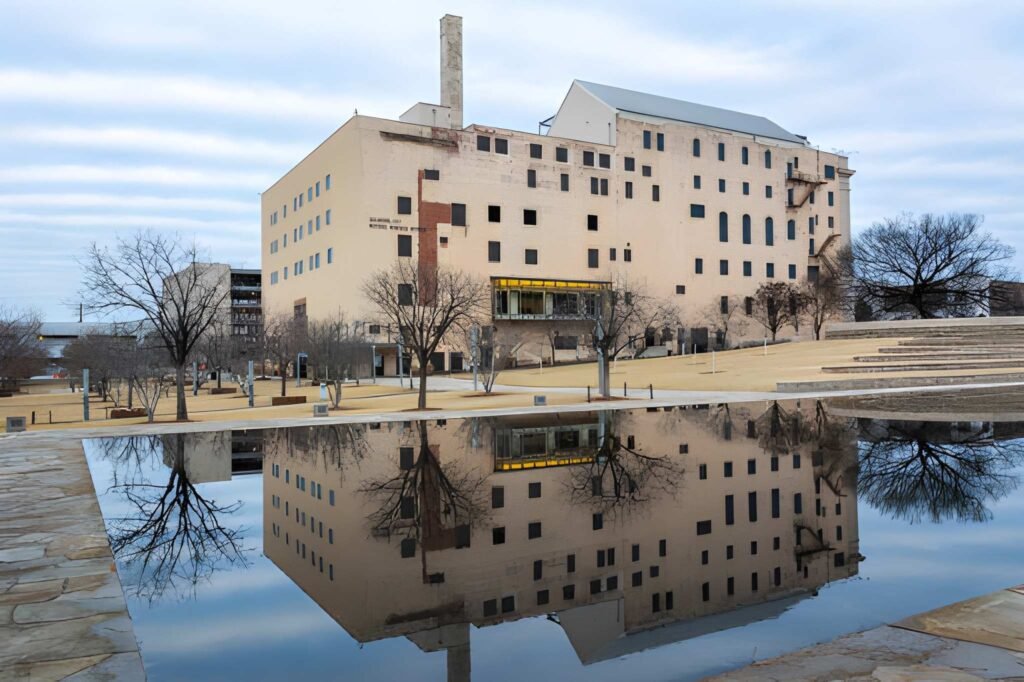
Oklahoma City’s modern identity was shaped by two pivotal events: the Dust Bowl of the 1930s and the 1995 bombing of the Alfred P. Murrah Federal Building. The former ingrained a deep-seated resilience; the latter triggered an unprecedented era of civic investment and unity. The MAPS (Metropolitan Area Projects) initiatives, funded by a temporary penny sales tax, have transformed the city with new parks, arenas, a streetcar system, and a world-class whitewater rafting facility. Living here means witnessing the results of a city that bets on itself, creating amenities that rival those of cities twice its size.
The Affordability Anchor: Cost of Living on the Plains
OKC’s most powerful asset is its rock-bottom cost of living. It is consistently ranked as one of the most affordable major cities in the United States. Oklahoma has a moderate state income tax (top marginal rate of 5.0%) and low sales taxes, but the real savings come from housing and daily expenses. This financial accessibility is the city’s primary magnet.
A detailed monthly budget for a professional or young family living in a desirable area like Midtown or Plaza District illustrates this value:
- Rent (2-Bed apartment): $1,000 – $1,300
- Utilities (Electricity – AC is critical): $150 – $250 (summer peak)
- Internet: $70
- Groceries: $400
- Gasoline & Car Maintenance: $250 (a car is essential)
- Dining & Entertainment: $400
This puts a baseline monthly expenditure between $2,270 and $2,670, not including savings or healthcare. This financial breathing room allows residents to own homes, save money, and fully enjoy the city’s amenities.
The Energy Economy: Job Market and Career Opportunities
Oklahoma City’s economy is a three-legged stool: energy, government, and aerospace. This diversity provides stability, even when the energy sector experiences volatility.
- Energy & Natural Resources: The city is a historic hub for oil and gas. Companies like Devon Energy, Chesapeake Energy, and Continental Resources have their headquarters here, employing thousands in engineering, geology, and corporate functions. The industry’s boom-and-bust cycles are a fact of life but are buffered by other sectors.
- Government: As the state capital, government is a massive and stable employer. This includes state agencies, as well as federal operations like the FAA’s Mike Monroney Aeronautical Center and Tinker Air Force Base, one of the largest military maintenance depots in the world.
- Aerospace & Defense: Tinker AFB anchors a massive aerospace and defense sector. Companies like Boeing and Northrop Grumman have major operations, providing high-skill manufacturing and engineering jobs.
- Healthcare: OU Medicine and Integris Health operate large hospital networks and are top employers, providing a stable source of jobs immune to energy market fluctuations.
This economic mix creates a robust job market with opportunities that are uniquely resistant to national economic downturns.
A City of Distinct Districts: Finding Your Community
OKC is vast in geographic area but is organized into distinct, well-defined districts, each with its own personality.
- Midtown: The epicenter of OKC’s urban renaissance. This area, just north of downtown, is a mix of renovated historic buildings, new apartment complexes, and some of the city’s best restaurants and cocktail bars. It is walkable, trendy, and popular with young professionals.
- Plaza District: A formerly blighted commercial strip now transformed into OKC’s most vibrant arts and entertainment corridor. It is packed with local boutiques, art galleries, live music venues, and innovative eateries. It has a gritty, creative, and fiercely local vibe.
- Automobile Alley: A historic district along Broadway Avenue where car dealerships have been converted into chic offices, restaurants, and retail. It is a symbol of the city’s adaptive reuse and is a key stop on the OKC Streetcar line.
- Bricktown: The city’s main entertainment district, located in a former warehouse area along the Bricktown Canal. It is home to the ballpark (AAA Dodgers), countless bars and restaurants, and a lively, if touristy, atmosphere.
- Nichols Hills: An independent, incorporated city within OKC. It is the epitome of old money and affluence, with sprawling estates, country clubs, and upscale shopping. It is quiet, secure, and exclusive.
- Edmond: A northern suburb and the de facto university town for OKC, home to the University of Central Oklahoma (UCO). It has a family-friendly feel, highly-rated public schools, and a charming downtown area. It is a top choice for families.
- The Village / NW OKC: Mature, established suburbs with a high concentration of mid-century modern homes, more affordable prices, and easy access to the city’s core.
The Plains Calculation: Renting vs. Buying
The healthy balance between renting and buying is a defining feature of the OKC market. Homeownership is not a distant dream but an accessible reality for most.
The Case for Renting: Renting offers flexibility to explore different districts and avoid commitment in a transient job market (like energy). It is perfect for newcomers or those who may need to relocate quickly for career opportunities.
The Case for Buying: For those committed to staying 3-5+ years, buying is one of the smartest financial decisions available. The incredibly low barrier to entry makes building equity through homeownership a guaranteed path to wealth building.
A Simplified Financial Comparison:
Consider a $225,000 home in the Crown Heights/Edgemere area.
- Renting: Monthly rent for a similar property: ~$1,400. This is a pure expense.
- Buying:
- Down Payment (10%): $22,500
- Mortgage Principal & Interest (30-year fixed at 7%): ~$1,350/month
- Property Taxes (Oklahoma County, effective rate ~0.9%): \frac{0.9}{100} \times 225,000 = \$2,025 per year, or ~$169/month
- Homeowners Insurance: ~$100/month
- Total Monthly Cost (P&I + Taxes + Insurance): ~$1,619
This calculation shows that buying can be competitive with or even cheaper than renting, especially when factoring in the principal paydown that builds equity.
The Housing Market: Mid-Century Modest and New Construction
OKC’s housing stock is a mix of charming mid-century ramblers, historic Tudor and Craftsman homes in established neighborhoods, and a flood of new construction on the city’s expanding periphery.
Average Home Prices: The median home price in the OKC metro is remarkably affordable, typically hovering between $220,000 and $250,000.
Most Affordable Areas to Buy a Home: The most affordable options are found throughout the city’s south and southwest sides, in neighborhoods like South Oklahoma City and Moore.
Luxury Real Estate Hotspots: The luxury market is concentrated in:
- Nichols Hills: The ultimate address for old-money OKC.
- Gaillardia: A master-planned golf course community in far northwest OKC.
- Crown Heights / Edgemere: Historic neighborhoods near the state capitol with beautiful, well-kept homes.
Rental Market: The market is balanced. Expect to pay:
- 1-Bed Apartment: $800 – $1,100
- 2-Bed Apartment: $1,000 – $1,400
- 3-Bed Single-Family Home: $1,200 – $1,800
Investing in the Future: Real Estate Investment and Growth
OKC’s steady population growth and affordable prices make it a strong market for cash-flow investment properties.
- Best Places to Invest: Neighborhoods adjacent to the urban core’s revitalization are prime. Wheeler District and West Village are seeing significant investment. Areas near the Oklahoma Health Center also show strong rental demand.
- Future Growth Neighborhoods: The OKC Innovation District around the Oklahoma Health Center and the Crossroads redevelopment in the core are poised to be major drivers of future growth.
The Commute: A Car-Centric City with Improving Options
OKC is a city built for the automobile, but recent investments have started to change that within the core.
- The Car: This is the primary mode of transport for all residents. The city’s land area is massive, and distances are long. Highways like I-35, I-40, I-44, and the Kilpatrick Turnpike form the city’s circulatory system. Traffic is generally light compared to other metros.
- Public Transit: Embark operates a bus system, but it is limited. The OKC Streetcar is a fantastic addition that connects Midtown, Downtown, Bricktown, and Automobile Alley, making the urban core more navigable without a car.
- Biking: The city has made strides with its trail system, particularly along the Oklahoma River and in Lake Hefner. However, it is not yet a primary mode of transport for most due to the city’s sprawl.
Life on the Prairie: Thunder, Tacos, and a Big Sky
OKC’s culture is unpretentious, friendly, and oriented around community and outdoor activities.
- The Sports Culture: The city lives and dies with the Oklahoma City Thunder (NBA). The team’s arrival in 2008 was a transformative event, giving the city a major-league identity and a unifying force.
- The Food Scene: Surprisingly vibrant and affordable. OKC has a fantastic and authentic Mexican food scene, legendary steakhouses (Cattlemen’s), and a growing number of innovative, chef-driven restaurants. The food truck scene is also robust.
- The Outdoors: The Oklahoma River has been developed for rowing and kayaking. Lake Hefner is a popular spot for sailing, biking, and running. Myriad Botanical Gardens and the new Scissortail Park are stunning urban green spaces.
- The Arts: The Oklahoma City Museum of Art (with a renowned Chihuly collection) and the Factory Obscura immersive art experience point to a growing cultural sophistication.
The Family Equation: Schools, Safety, and Suburbs
The quest for top-rated schools is a primary driver for family movement to the suburbs.
- Best Schools & Universities: Oklahoma City Public Schools (OKCPS) faces challenges. The highest-rated public school districts are in the suburbs: Deer Creek, Edmond, Putnam City, and Moore. For higher education, the University of Oklahoma (OU) in nearby Norman is a major Big 12 school, and Oklahoma State University (OSU) has a campus in OKC.
- Best Suburbs: For families, the premier destinations are Edmond, Deer Creek, Moore, and Yukon. They offer excellent schools, more space, and community amenities.
- Raising a Family & Safety: Crime is a concern in parts of the urban core. The suburbs and specific neighborhoods like Nichols Hills and Edmond consistently report very low crime rates.
The Practicalities: Severe Weather, Healthcare, and Relocation
- Weather and Climate: OKC has a humid subtropical climate prone to extreme weather. Springs are volatile, with a high risk of severe thunderstorms, tornadoes, and hail. Summers are intensely hot and humid. Winters are mild but can bring ice storms. A tornado shelter or safe room is a common and wise feature for homeowners.
- Healthcare: The city is a major healthcare hub for the region. OU Medicine and Integris Health operate extensive, high-quality networks. The Oklahoma Health Center is a concentrated campus of medical research and care.
- Relocation Checklist:
- Understand Severe Weather Preparedness: Know your safe place and have a plan for tornado warnings.
- Secure Housing: The market is accessible, but desirable urban areas move quickly.
- Get a Car: Reliable personal transportation is non-negotiable.
- Embrace the Community Vibe: OKC is friendly; get involved in local events and neighborhoods to build connections.
- Explore the Core: Use the streetcar to experience the best of the city’s dining and entertainment without driving.
Oklahoma City is a city for pragmatists and optimists. It doesn’t offer ocean views or mountain vistas, but it provides something increasingly rare: an affordable, stable, and welcoming environment where a high quality of life is attainable for a broad swath of people. It is a city that is comfortable in its own skin, proud of its progress, and confidently building its future. Living in OKC is a choice for community, convenience, and comfort—a testament to the enduring appeal of a city that has mastered the art of self-improvement.