The modern smart home security system presents a paradox. It is a network of devices designed to protect our personal sanctuary, yet its very operation—constant power consumption, electronic waste, and reliance on energy-hungry data centers—can impose a subtle toll on the global environment we all share. This tension, however, is not an irreconcilable conflict. The question is not whether a security system can be eco-friendly, but how we can intentionally select, configure, and integrate it to minimize its footprint while maximizing its protective function. The journey toward a greener guard involves scrutinizing every link in the chain: from the power source of each sensor to the lifecycle of the hardware and the energy profile of the digital infrastructure that supports it.
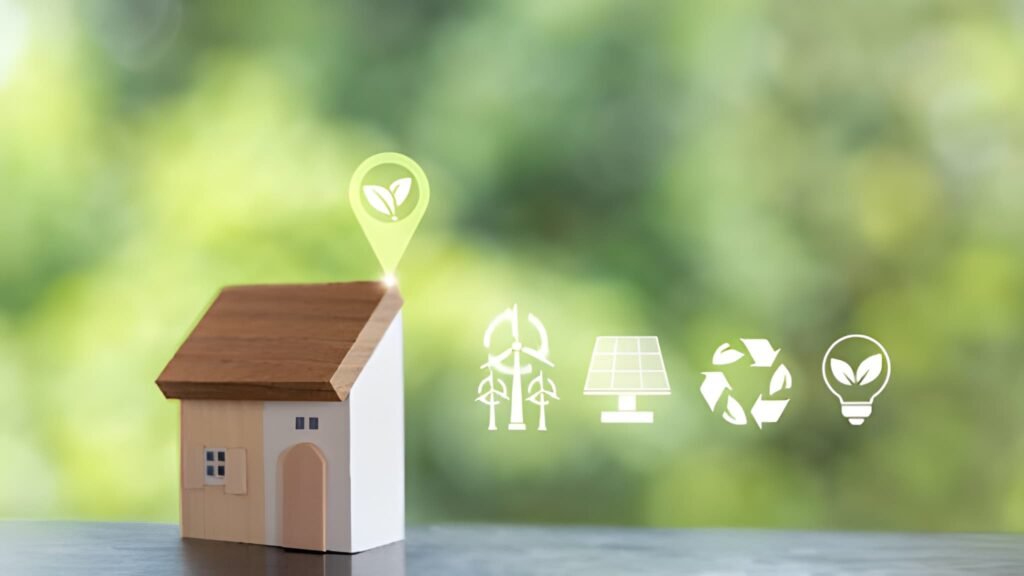
The most immediate environmental impact of any smart device is its energy appetite. A traditional security system, with its always-on control panel and peripherals, draws a small but constant trickle of electricity. The modern, camera-centric system compounds this; high-definition video streaming and processing are computationally intensive, demanding more power both locally and in the cloud. The first and most significant step toward eco-friendliness is to power this network with clean energy. For a homeowner with rooftop solar panels, this is the ideal scenario. The security system, especially one that is predominantly active during daylight hours, can run largely on self-generated, renewable power. For those without solar, the choice of a electricity provider that offers a renewable energy plan can effectively green the grid power that the system consumes. This shifts the environmental impact from the home’s outlet to the utility’s generation mix, a powerful, if indirect, strategy.
Beyond the source of power lies the intelligence of its consumption. This is where the “smart” in smart home security must evolve beyond mere connectivity to embrace energy efficiency. System design plays a crucial role. Battery-powered sensors for doors, windows, and motion are inherently more efficient than hardwired ones in many retrofit scenarios, as they draw no power except during the milliseconds of radio transmission when triggered. The key is to select systems that use low-energy communication protocols like Zigbee or Z-Wave, which are designed for exactly this purpose—brief, low-power bursts of data. The choice of cameras is equally critical. A camera that records 24/7 to a local Network Video Recorder (NVR) consumes less ongoing energy than one that continuously streams footage to the cloud. Look for cameras with advanced, on-device analytics that can distinguish between a passing car, a rustling leaf, and a human figure. This “edge computing” allows the camera to remain in a low-power sleep state, springing to life only to record and notify you of genuinely relevant events, thereby saving substantial energy in data processing and transmission.
The hardware itself carries an embodied energy cost—the total energy required to extract raw materials, manufacture, and transport the device. An eco-friendly approach here prioritizes longevity and repairability over disposable tech. Seek out manufacturers that demonstrate a commitment to build quality, offer long-term software support to prevent premature obsolescence, and have transparent policies on repairability. A camera built with a metal housing and a standard mounting bracket is a more durable asset than one with a flimsy plastic shell. Furthermore, the industry’s shift toward solar-powered outdoor security cameras is a promising direct integration of renewable energy. These units contain a small integrated solar panel that can often keep the battery perpetually charged, eliminating the need for frequent battery replacements or hardwired power for most of the year. This is a closed-loop system for a single device, a powerful model for the future.
Table: The Eco-Security Balance Sheet
| Security Component | Standard Practice (High Impact) | Eco-Conscious Alternative (Reduced Impact) |
|---|---|---|
| Power Source | Draws from the standard grid (mix of fossil fuels & renewables). | Powered by a home solar system or a utility green energy plan. |
| Camera Operation | Continuous 24/7 cloud streaming and recording. | Event-based recording with on-device analytics; local storage (NVR) preferred. |
| Sensors & Communication | Hardwired sensors or high-power Bluetooth. | Battery-powered sensors using low-energy protocols (Zigbee, Z-Wave). |
| Hardware Lifecycle | Plastic-bodied, non-repairable devices with short support cycles. | Durable, repairable designs; long-term software support; company take-back programs. |
| Outdoor Lighting | Always-on halogen or incandescent floodlights. | Solar-powered motion-activated LED security lights. |
The final, and often overlooked, element is the end of the device’s life. E-waste is a catastrophic global problem. A responsible approach involves selecting manufacturers that offer robust recycling or take-back programs, ensuring that decommissioned sensors and cameras do not end up in a landfill, leaching toxic materials. As a consumer, the commitment to using a device for its entire usable lifespan, rather than upgrading with every new feature, is a profoundly eco-friendly act. It is the antithesis of a disposable culture.
Ultimately, the most eco-friendly security feature is one that is seamlessly integrated into an efficient home. A smart home ecosystem that includes automated lighting and smart locks can enhance security while saving energy. Lights programmed to turn on and off at strategic times deter intruders while using efficient LEDs. A smart lock eliminates the waste of paper flyers and junk mail tucked in the door, a telltale sign of an absent homeowner. The most sustainable system is one that is part of a holistic, efficient, and thoughtfully managed home. Therefore, a smart home security system can indeed be eco-friendly, but not by default. It requires a conscious curation of technology, a preference for intelligence over brute-force operation, and a commitment to powering our protection with the same clean energy we hope to safeguard for the future. The goal is a system that stands guard not just over our property, but over the principles of sustainability itself.