The final layer of a home’s personality is often expressed through its accessories—the objects on the shelves, the art on the walls, the textiles on the tables. This is the domain of the personal, where taste is declared and atmosphere is fine-tuned. For too long, this realm has been dominated by the impulse buy: the mass-produced, plastic trinket from a big-box store, the trendy trinket that loses its luster in a season, the decorative object that speaks more to a fleeting algorithm than to a deeply held aesthetic. A more considered approach is now taking root, one that sees these details not as disposable decorations, but as opportunities for mindful expression. Eco-friendly home accessories are the final, eloquent brushstrokes in creating a home that is not only beautiful but also intentional, healthy, and grounded in a respect for the natural world.
This philosophy moves beyond the simple act of buying a “green” product. It is a holistic practice that encompasses the entire life cycle of an object, from its raw materials and its method of creation to its longevity and its ultimate disposal. It favors the handmade over the machine-made, the natural over the synthetic, the repaired over the replaced. The result is a home that feels collected and authentic, where every vase, candle, and throw pillow carries a story of ethical provenance and material integrity.
The Material Palette: A Return to the Elemental
The foundation of conscious accessorizing is a deep understanding of materials. It is a shift away from petroleum-based plastics and synthetic composites and toward substances that are grown, harvested, or forged from the earth.
The Warmth of Wood and Fiber
- Reclaimed and FSC-Certified Wood: A simple bowl carved from a piece of salvaged barn wood carries more narrative weight than a dozen factory-turned copies. It speaks of history and resourcefulness. For new items, look for small objects—cutting boards, picture frames, trays—made from wood certified by the Forest Stewardship Council (FSC), ensuring it comes from responsibly managed forests.
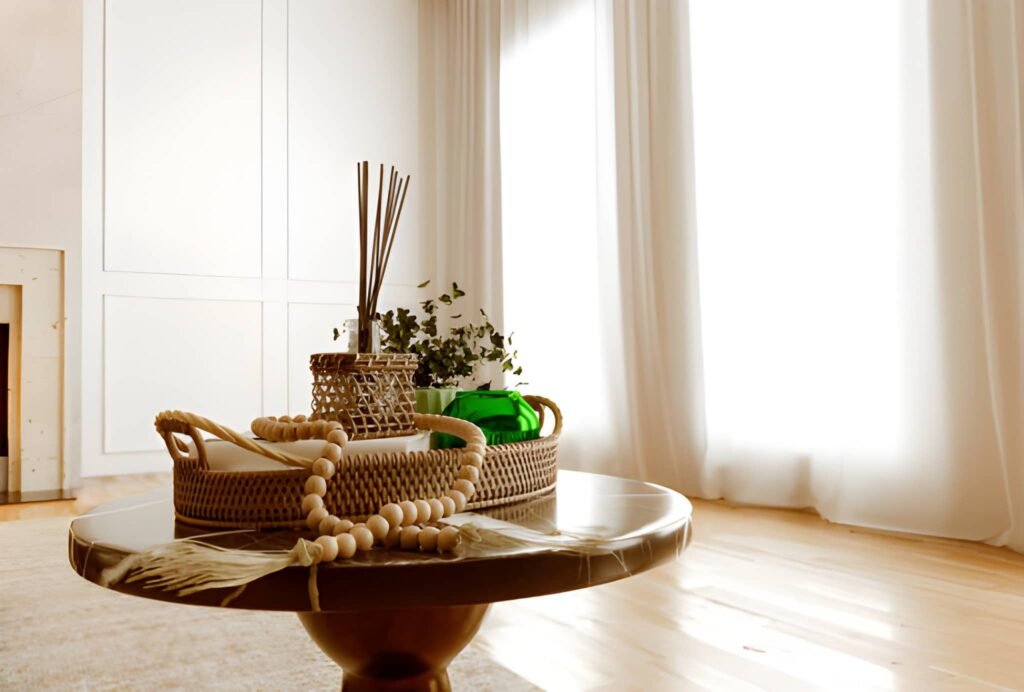
- Natural Textiles: The power of textiles to transform a space is immense. Replace polyester throw pillows with covers made from organic cotton, linen, or hemp. These fibers are breathable, durable, and become softer with age. A hand-woven basket made of seagrass or rattan provides texture and utility without any environmental guilt. Even a simple jute doormat is a statement of natural, biodegradable function.
The Soul of Clay and Stone
- Ceramics: A hand-thrown ceramic vase or a set of artisanal mugs possesses a unique, imperfect beauty that no assembly-line product can match. The variations in glaze, the slight asymmetry, the thumbprint of the maker—these are the qualities that give a home its soul. Sourcing from local potters reduces shipping miles and supports community artistry.
- Natural Stone and Minerals: A piece of raw geodes crystal, a smooth river stone used as a paperweight, or a slate cheese board brings the untamed beauty of geology indoors. These objects require minimal processing, connect the interior to the landscape, and serve as permanent, elemental accents.
The Clarity of Glass and Metal
- Recycled Glass: Glass is infinitely recyclable. Vases, decanters, and decorative objects made from post-consumer recycled glass have a subtle, complex color and a lower environmental footprint than virgin glass. The slight imperfections and unique bubbles in some recycled glass add to its character.
- Metals with a Past: Instead of new, polished chrome or brass, consider accessories made from recycled aluminum or iron. Look for a vintage pewter picture frame or a modern sculpture made from reclaimed steel. These materials carry a history and a patina that new metals lack.
The Living Accessory: Biophilia in Practice
The most dynamic and beneficial accessories you can introduce into your home are living ones. Integrating plants is a core tenet of biophilic design, which recognizes the innate human need to connect with nature.
Beyond Decoration
Plants are not just visual objects; they are active participants in your home’s ecosystem. They purify the air by absorbing toxins and releasing oxygen, they increase humidity levels, and studies suggest they can reduce stress and improve concentration. The choice of planters is part of the aesthetic. Terracotta pots are classic, breathable, and age with a beautiful patina. Glazed ceramic planters from a local artist add color and texture. Macrame hangers made from natural cotton cord can elevate a trailing pothos or philodendron into a sculptural element.
The Organic Tableau
Create small, curated moments of nature throughout your home. A shallow ceramic bowl holding a collection of dried lavender, a single branch of curly willow in a simple vase, or a tray of smooth, collected sea shells on a bathroom counter—these organic arrangements provide a sense of calm and a connection to the rhythms of the natural world without any need for manufacturing.
The Art of Mindful Curation
The “eco” in eco-friendly accessories is as much about a mindset as it is about materials. It is an approach that values quality over quantity and story over status.
The Power of the Artisanal
When you purchase a hand-woven textile from a specific community, a candle poured by a local artisan using soy wax and essential oils, or a piece of art from a emerging painter, you are doing more than buying a product. You are supporting a person, a skill, and a cultural tradition. These objects carry the energy of their creation. They are conversation pieces that connect your home to a wider world of human creativity and craftsmanship.
The Secondhand Find
Some of the most unique and sustainable accessories have already lived a previous life. Scouring antique shops, flea markets, and estate sales for vintage glassware, a worn leather journal, a set of brass candlesticks, or a faded oriental rug is a form of treasure hunting. It extends the life of well-made objects, keeps them out of the landfill, and gives your home a layered, timeless feel that cannot be achieved with new, mass-produced goods.
The DIY Ethos
Perhaps the most personal accessory is one you create yourself. Framing a piece of vintage fabric or a child’s drawing, drying flowers from your garden, or crafting a simple wreath from foraged branches are all ways to imbue your home with a deeply personal touch. These projects use few new resources and result in decorations that are truly one-of-a-kind.
The following table provides a practical guide for making conscious choices across common accessory categories:
| Accessory Category | Conventional Choice | Eco-Friendly Alternative | Key Benefit |
|---|---|---|---|
| Candles | Paraffin wax (petroleum-based), synthetic fragrances. | Beeswax, soy wax, or coconut wax with essential oils and cotton wicks. | Cleaner burn, non-toxic, supports beekeeping (beeswax). |
| Throw Pillows | Polyester fill, polyester or acrylic cover. | Natural latex or kapok fill; cover of organic cotton, linen, or hemp. | Breathable, non-toxic, biodegradable, improves indoor air quality. |
| Rugs & Mats | Synthetic fibers (polypropylene, nylon), chemical dyes. | Wool, jute, sisal, or seagrass; naturally dyed cotton. | Renewable materials, durable, naturally soil-resistant. |
| Wall Art & Frames | Mass-produced prints, plastic frames. | Prints on recycled paper, original art from local artists, frames from reclaimed wood or metal. | Supports artists, reduces waste, unique aesthetic. |
| Kitchen Textiles | Conventional cotton tea towels, plastic aprons. | Organic cotton or linen tea towels, aprons made from natural canvas. | Absorbent, durable, free from pesticide residues. |
| Bath Accessories | Plastic soap dispenser, polyester shower curtain. | Ceramic or glass soap dispenser, linen or hemp shower curtain liner. | Reduces plastic waste, natural materials are mold-resistant. |
Curating a home with eco-friendly accessories is a practice in conscious living. It slows down the process of consumption and asks us to find beauty in the authentic, the natural, and the well-made. It transforms our living spaces from showrooms of consumption into sanctuaries of personal values, where every object is chosen not for its price tag, but for its substance, its story, and its soul. The final effect is not one of stark minimalism or rustic austerity, but of rich, layered, and deeply personal warmth—a home that is truly and thoughtfully your own.