In a world saturated with mass-produced, flat-pack decor, the act of creating something with your own hands is a quiet rebellion. It is a declaration of individuality and a profound statement of sustainability. Eco-conscious DIY home decor is not about achieving a magazine-perfect, sterile aesthetic. It is about the process itself—the tactile connection to materials, the satisfaction of resourcefulness, and the infusion of your home with objects that carry the energy of their creation. This practice moves beyond mere craft; it is a philosophy of “make do and mend,” of seeing potential in the discarded, and of surrounding yourself with a narrative that you have authored.
The most sustainable material is the one you do not buy. This approach champions the use of what is already present—in your home, your backyard, or your local thrift store. It values imperfection, celebrates patina, and results in a home that feels deeply personal, collected, and alive. The following ideas are not prescriptive blueprints but starting points for a more mindful and creative way to curate your space.
The Found Object: Elevating the Everyday
The first step in eco-DIY is to train your eye to see the beauty and potential in ordinary, often overlooked materials.
The Poetry of Branches and Driftwood
A fallen branch from an oak tree or a piece of driftwood smoothed by the sea is a finished sculpture, provided free of charge by nature. Their organic forms bring an untamed, sculptural element indoors.
- DIY Idea: Create a simple wall-mounted coat rack or towel holder. Select a sturdy, interestingly shaped branch (ensure it is dry and free of insects). Sand it lightly to remove splinters. Mount it to the wall using heavy-duty, black metal brackets. The contrast between the raw wood and the industrial hardware is strikingly modern.
- DIY Idea: A piece of gnarled driftwood can stand on its own as a centerpiece on a dining table or mantle. Drill a shallow hole in the top to hold a pillar candle, or simply let its form speak for itself.
The Gallery of Natural Textures
Instead of buying new art, create it from the landscape itself.
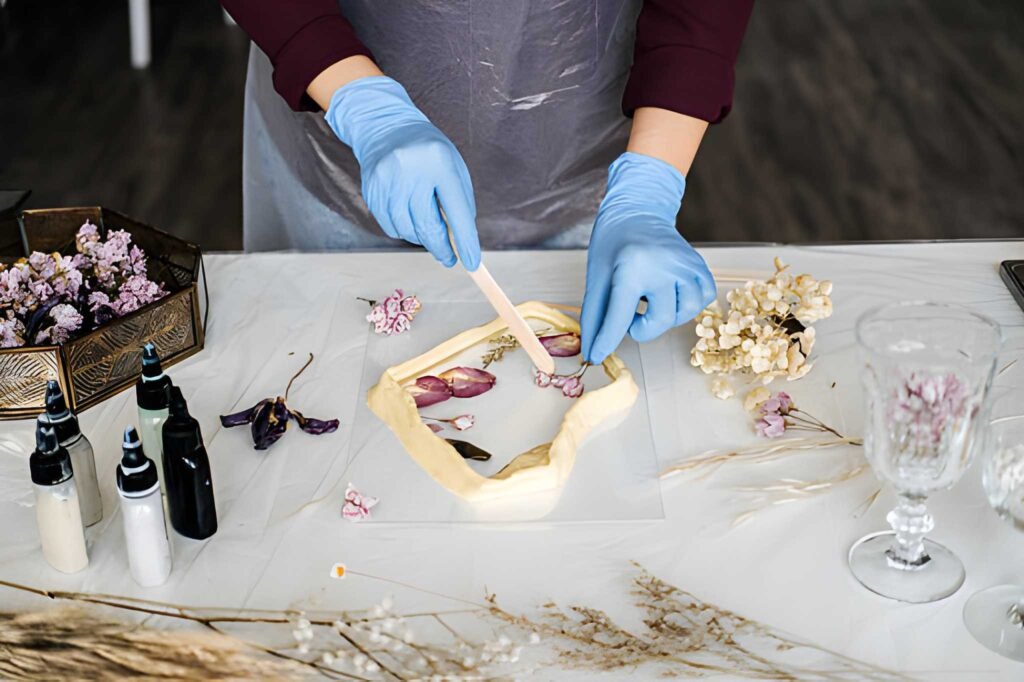
- DIY Idea: A Pressed Botanical Wall Hanging. Collect interesting leaves, ferns, and wildflowers on a walk. Press them between the pages of a heavy book for several weeks. Arrange and frame them in a simple, deep-set shadow box frame against a background of handmade or recycled paper. This creates a timeless, delicate piece of art that captures a specific season and place.
- DIY Idea: A Stone and Plaster Artwork. Find flat, smooth stones of varying sizes. Mix a small batch of plaster of Paris and pour it into a shallow wooden frame or a thrifted picture frame (with the glass removed). While the plaster is still wet, press the stones into the surface in a composition you find pleasing. The result is a minimalist, textural piece with immense weight and presence.
The Second Life: The Alchemy of Thrift and Salvage
The thrift store, the flea market, and even your own attic are treasure troves for the eco-DIY enthusiast. The goal is to see not what an object is, but what it could be.
The Transformed Bottle and Jar
Glass is infinitely recyclable, but giving it a new purpose within the home is even better.
- DIY Idea: A Hanging Terrarium. Find a clear glass bottle with an interesting shape. Using a glass drill bit (a small, specialized tool), carefully drill a drainage hole in the bottom. Thread sturdy jute or macrame cord through the neck and around the body of the bottle to create a hanger. Fill the bottom with pebbles for drainage, then a layer of activated charcoal (to prevent mold), and finally, potting soil. Plant a few small, slow-growing succulents or air plants. You have created a self-contained, hanging ecosystem.
- DIY Idea: Unified Storage Jars. Save glass jars of various sizes from pasta sauce, pickles, etc. Remove the labels and clean them thoroughly. Paint the lids with a few coats of low-VOC spray paint in a single, unifying color—matte black, bronze, or a soft pastel. Suddenly, a mismatched collection becomes a chic, coordinated set for storing pantry goods, craft supplies, or bathroom cotton balls.
The Reborn Furniture Piece
A tired piece of furniture holds more potential than a new one.
- DIY Idea: The Natural Wood Refresh. Instead of painting over a solid wood side table or chair, strip off the old, discolored varnish. Use a chemical stripper or a heat gun (with proper ventilation and safety gear), then sand the wood through progressively finer grits until it is smooth. Finish it not with a plastic-like polyurethane, but with a natural hardwax-oil or a simple blend of linseed oil and citrus solvent. This will reveal the wood’s true grain and color, creating a piece that can be easily touched up for generations.
- DIY Idea: Fabric-Wrapped Headboard. Find an old, solid wood door or a large piece of plywood at a salvage yard. Pad it with a layer of batting and then wrap it tightly in a piece of fabric—preferably a remnant of organic cotton, linen, or a vintage textile. Staple the fabric securely to the back. Mount this unique, custom headboard to your wall, instantly defining your bedroom space.
The Grown and Gathered: Decor from the Garden
Your own backyard or a local park can be your most sustainable supplier of decor materials.
The Dried Botanical Arrangement
Forage for materials that dry beautifully, such as pampas grass, wheat stalks, eucalyptus, or hydrangea blooms.
- DIY Idea: Instead of buying fresh flowers weekly, create a permanent arrangement. Gather your foraged items, tie the stems together with twine, and hang them upside down in a dry, dark place for several weeks. Once fully dried, arrange them in a heavy, stable vase—perhaps a thrifted one you have painted. This arrangement provides texture and height for months, if not years.
The Living Wall of Herbs
Bring function and fragrance into your kitchen.
- DIY Idea: Mount a series of small, shallow wooden crates or terra cotta pots to a sunny kitchen wall. Fill them with potting soil and plant them with culinary herbs like rosemary, thyme, mint, and basil. You have created a living, edible wall art installation that is as practical as it is beautiful.
Eco-conscious DIY is an ongoing dialogue with your environment. It is a practice that cultivates patience, creativity, and a deeper appreciation for the resources we often take for granted. The resulting home is not a showroom, but a living gallery of your own resourcefulness—a space filled with quiet stories, natural beauty, and the undeniable warmth of the handmade. It is the art of creating a home that is truly, authentically, and sustainably your own.