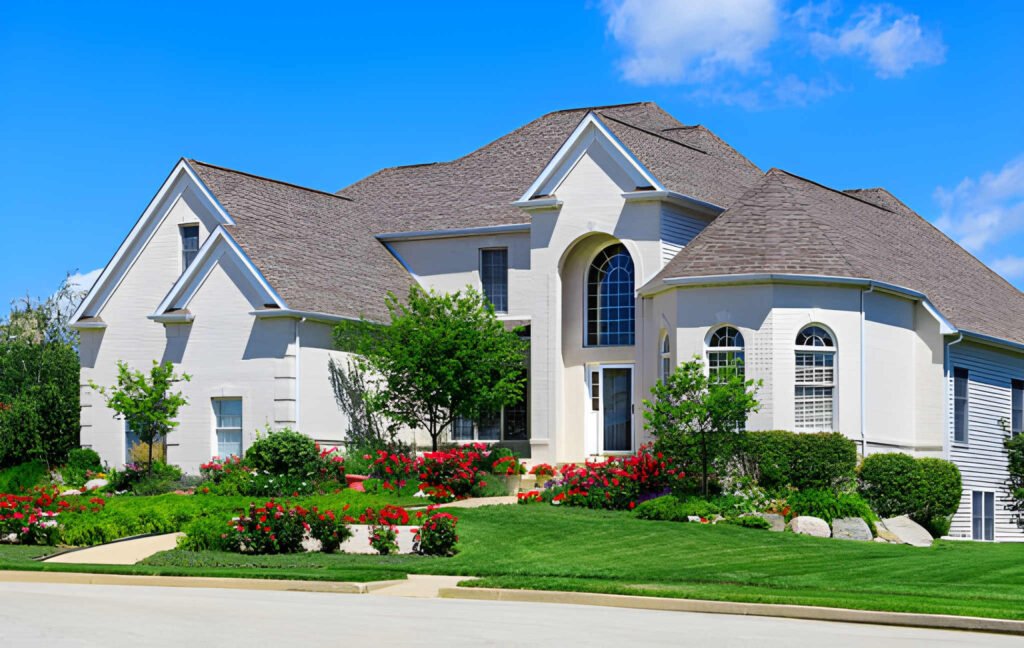
The $1 million luxury home represents a significant threshold in residential real estate, marking the transition from premium housing to true luxury properties. However, in today’s evolving market, a seven-figure price tag no longer guarantees the sprawling estates of popular imagination. Instead, it represents a complex tier of homeownership where location, craftsmanship, and unique amenities converge to create value that transcends square footage. The definition of a $1 million home varies dramatically across American markets, reflecting regional economies, lifestyle preferences, and what constitutes “luxury” in different contexts.
The Geographic Reality: What $1 Million Buys Across America
The purchasing power of $1 million in residential real estate demonstrates extraordinary regional variation, creating entirely different lifestyle propositions.
Coastal Gateway Markets:
In cities like San Francisco, New York, Boston, and Los Angeles, $1 million often serves as an entry point to the housing market rather than a ticket to luxury. This budget might secure:
- A 1,200-1,800 square foot condominium in a desirable neighborhood with premium building amenities (concierge, rooftop terrace, fitness center)
- A 2,000-2,500 square foot single-family home requiring significant updates in neighborhoods with excellent school districts
- A thoughtfully renovated townhouse in emerging neighborhoods with limited outdoor space
Sun Belt Luxury Hubs:
In markets like Austin, Nashville, Dallas, and Phoenix, $1 million purchases substantial properties:
- New construction homes ranging from 3,500-5,000 square feet with designer finishes, pool, and spacious lots
- Gated community properties with golf course access, community amenities, and smart home integration
- Custom-built homes on 1-2 acre lots with dedicated office spaces, outdoor kitchens, and resort-style pools
Mountain & Resort Markets:
In destinations like Aspen, Park City, or Lake Tahoe, $1 million might represent:
- A luxury condominium or townhome with ski-in/ski-out access or waterfront privileges
- A modest cabin or cottage in a premium location, where value is derived from land and access rather than structure size
- A fractional ownership in a higher-value property through residence clubs or shared equity programs
The Anatomy of a Modern $1 Million Home
Beyond location, specific attributes define today’s luxury market at this price point.
The Technology & Wellness Integration:
Modern luxury at this level increasingly focuses on health and convenience systems:
- Comprehensive Smart Home Systems: Integrated control of lighting, climate, security, and entertainment with redundant backup systems
- Wellness Infrastructure: Dedicated meditation or yoga spaces, infrared saunas, cold plunge pools, and advanced air/water filtration systems
- Professional-Grade Elements: Wolf/Sub-Zero kitchen packages, wine storage accommodating 500+ bottles, and temperature-controlled storage rooms
The Outdoor Living Mandate:
The pandemic permanently elevated outdoor spaces from amenities to necessities in luxury properties:
- Fully-Equipped Outdoor Kitchens: Including refrigeration, pizza ovens, and professional-grade grilling stations
- Structured Outdoor Rooms: With weather protection, heating, lighting, and integrated audio-visual systems
- Resort-Style Pools and Spas: Incorporating infinity edges, automated covers, and sophisticated water treatment systems
The Specialized Spaces:
Unlike standard homes, $1 million properties feature purpose-built areas:
- Dedicated Professional Workspaces: Soundproofed offices with separate entrances and commercial-grade connectivity
- Creative and Hobby Suites: Photography darkrooms, artist studios, or music practice rooms with proper acoustic treatment
- Multi-Generational Living Spaces: Complete accessory dwelling units or fully-equipped in-law suites with private access
The Financial Profile of a $1 Million Home Buyer
Purchasing at this level requires sophisticated financial planning beyond standard mortgage qualifications.
Income and Asset Requirements:
- Conventional Financing: Typically requires $250,000-$400,000 annual household income, with 20-30% down payments ($200,000-$300,000)
- Jumbo Loan Structures: Often featuring stricter underwriting, higher reserve requirements (6-12 months of payments), and more extensive asset verification
- All-Cash Purchases: Approximately 25-35% of $1 million homes are purchased without financing, providing competitive advantages in bidding situations
The True Cost of Ownership:
Beyond the mortgage, monthly carrying costs typically range from $5,000-$12,000 including:
- Property Taxes: $1,500-$3,500 monthly (highly location-dependent)
- Insurance: $300-$800 monthly (varying by construction type and regional risks)
- Maintenance and Utilities: $1,500-$4,000 monthly for landscaping, pool maintenance, system upkeep, and elevated utility costs for larger spaces
The Market Dynamics of Seven-Figure Homes
The $1 million segment operates under different market principles than the broader housing market.
Value Appreciation Drivers:
- Scarcity and Uniqueness: Properties with irreplaceable locations or one-of-a-kind features outperform standard luxury inventory
- Modernization Premium: Recently renovated homes with current design aesthetics and technology command significant premiums over dated properties requiring updates
- Lifestyle Integration: Homes that facilitate specific lifestyles (entertaining, remote work, multi-generational living) maintain value better than generic luxury
The Emotional Economics:
At this price point, purchasing decisions often balance rational investment with emotional fulfillment. Buyers frequently prioritize:
- Time-Saving Design: Layouts and systems that minimize maintenance and simplify daily life
- Experience Generation: Properties designed to create memorable experiences for family and guests
- Legacy Considerations: Homes that can accommodate evolving family needs over decades
The $1 million luxury home has evolved from a simple status symbol to a sophisticated tool for crafting a particular lifestyle. Its definition varies so dramatically across markets that it represents both entry-level housing in hyper-prime locations and exceptional estates in emerging luxury markets. What unites these properties is not a specific checklist of features, but their ability to provide sanctuary, facilitate meaningful experiences, and serve as both a personal haven and a strategic financial asset. In today’s market, true luxury at this price point is less about conspicuous consumption and more about curated living—the seamless integration of design, technology, and location to create an environment that supports the life its owners aspire to live.