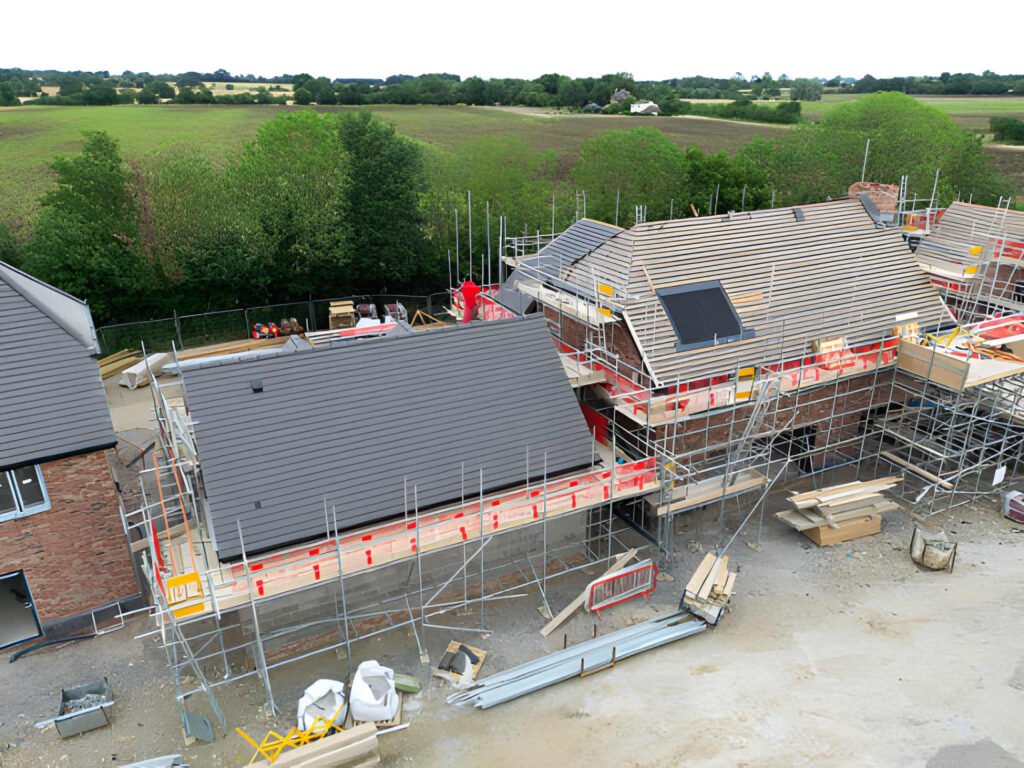
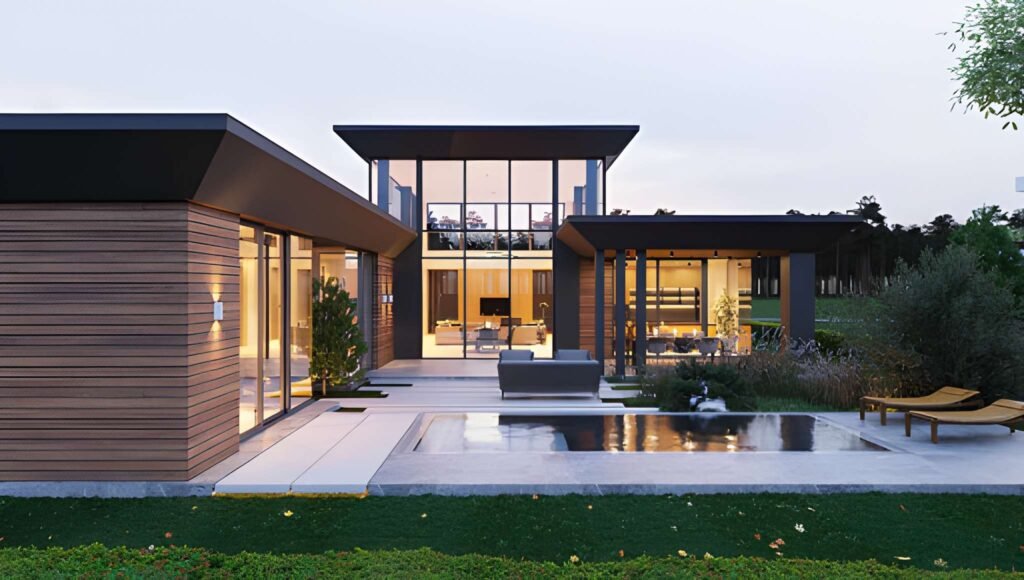
The $1 million luxury home represents a significant psychological and financial threshold in residential real estate, yet its tangible meaning has undergone a profound transformation. No longer the universal symbol of ultimate success, a seven-figure price tag now marks an entry point into premium markets in some regions while securing exceptional, legacy properties in others. This tier of homeownership is defined less by a specific checklist of amenities and more by its strategic positioning within local market dynamics, quality of construction, and its ability to deliver a curated lifestyle that transcends mere shelter. The modern $1 million home is a study in contrasts, reflecting regional economic disparities, evolving definitions of luxury, and a new calculus of value in post-pandemic America.
The Geographic Dichotomy: What $1 Million Actually Buys
The purchasing power of $1 million demonstrates extraordinary regional variation, creating entirely different lifestyle propositions that redefine the very concept of luxury.
Gateway Urban Markets: The Concierge Lifestyle
In established coastal cities like New York, San Francisco, Boston, and Los Angeles, $1 million often serves as an entry point rather than a pinnacle. This budget typically secures:
- Sophisticated condominiums (1,200-1,800 square feet) in full-amenity buildings with 24-hour concierge, rooftop terraces, fitness centers, and resident lounges
- Thoughtfully renovated townhouses (1,500-2,200 square feet) in emerging neighborhoods, often requiring compromises on outdoor space or parking
- “Tear-down” properties in premium school districts where the value lies predominantly in the land rather than the structure
The luxury here is one of convenience, security, and location—proximity to cultural institutions, premier dining, and high-paying employment centers. These homes prioritize efficient use of space, premium finishes, and access to shared amenities over sheer square footage.
Sun Belt & Secondary Markets: The Custom Estate
In thriving markets like Austin, Nashville, Dallas, and Phoenix, $1 million purchases substantial, custom-crafted properties:
- New construction homes (3,500-4,500 square feet) in master-planned communities featuring designer-curated finishes, resort-style pools, outdoor kitchens, and smart home integration
- Completely renovated mid-century homes on large lots in established neighborhoods, blending architectural character with modern infrastructure
- Gated properties with golf course or water access, often including dedicated home offices, media rooms, and expansive entertaining spaces
Luxury in these markets manifests as space, customization, and recreational amenities—the ability to host large gatherings, accommodate multi-generational living, and enjoy private resort-like amenities at home.
Mountain & Coastal Retreats: The Experience-Based Sanctuary
In destination locations from Lake Tahoe to the Carolina Outer Banks, $1 million prioritizes experience and natural setting:
- Architecturally significant cabins or cottages with premium materials (heavy timber, stone) and dramatic views, where the value proposition centers on the relationship between indoor and outdoor living
- Luxury condominiums with ski-in/ski-out access or direct beach frontage, often with sophisticated rental management programs for investment purposes
- Properties designed specifically for recreational lifestyles—featuring gear storage, equipment workshops, and durable yet refined finishes that stand up to active use
The Anatomy of Modern Luxury: Beyond Square Footage
While location defines parameters, specific attributes consistently characterize the $1 million home across markets.
The Wellness Infrastructure:
Modern luxury increasingly focuses on health and restoration systems:
- Advanced Environmental Controls: Multi-zone HVAC with humidity management, whole-home water filtration systems, and circadian rhythm lighting
- Dedicated Recovery Spaces: Sauna and cold plunge suites, meditation rooms with soundproofing, and dedicated spaces for yoga/fitness with professional-grade flooring
- Biophilic Design Elements: Strategic integration of natural materials, living walls, and layouts that maximize natural light and connection to outdoor spaces
The Professional-Grade Culinary Center:
The kitchen remains the undeniable heart of the luxury home, evolving beyond commercial-style appliances to include:
- Specialized Cooking Zones: Separate areas for baking (with dedicated ventilation), coffee preparation, and quick-cook stations
- Integrated Sustainability: Composting systems, pot-filler faucets to reduce heavy lifting, and sophisticated pantry organization with climate-controlled zones for specific foods
- Entertainment Flow: Designs that seamlessly connect to outdoor living areas while maintaining functional work triangles for serious cooking
The Technology Backbone:
Invisible systems that create effortless living experiences:
- Fully Integrated Smart Home Systems: Single-platform control of lighting, security, climate, and entertainment with robust backup systems
- Connectivity Infrastructure: Commercial-grade networking with multiple access points, wired ethernet in all key locations, and provisions for future technological evolution
- Energy Resilience: Whole-home generators, solar readiness, and electric vehicle charging infrastructure
The Financial Architecture of a $1 Million Purchase
The economics of purchasing and maintaining a $1 million home have shifted significantly in an era of higher interest rates and insurance costs.
The New Financing Reality:
With interest rates between 6.5-7.5%, the monthly carrying costs have transformed:
- Mortgage Payment (P&I): $6,300 – $7,000 monthly (assuming 20% down)
- Property Taxes: $1,000 – $2,500 monthly (highly location dependent)
- Insurance: $300 – $800 monthly
- Maintenance & Utilities: $1,500 – $3,000 monthly
- Total Monthly Outlay: $9,100 – $13,300+
Qualification Standards:
Lenders now scrutinize $1 million purchases with heightened rigor:
- Income Requirements: $300,000 – $400,000 annual household income to maintain comfortable debt-to-income ratios
- Asset Reserves: 6-12 months of mortgage payments in liquid assets post-closing
- Down Payment: Typically 20-30% ($200,000-$300,000) for optimal terms
The Value Proposition in a Shifting Market
The $1 million home now represents different value propositions depending on buyer motivation:
The Legacy Investment:
Properties in established neighborhoods with limited land for new construction, where value appreciation is driven by scarcity rather than the structure itself.
The Lifestyle Platform:
Homes designed specifically to facilitate a desired way of living—whether for entertainment, remote work, or multi-generational families—where the customization and amenities deliver daily value beyond financial return.
The Strategic Compromise:
In high-cost urban areas, accepting smaller square footage to gain access to premium locations, school districts, and community amenities that align with long-term personal and professional goals.
The $1 million luxury home has been democratized and redefined simultaneously. It now represents not a single standard of living, but a spectrum of possibilities shaped by geographic context and personal priority. The common thread is no longer specific features or square footage, but rather exceptional execution—homes that demonstrate thoughtful design, quality construction, and strategic positioning within their market. In an era of economic uncertainty, the true luxury of a $1 million home may be less about conspicuous consumption and more about achieving a specific, curated lifestyle that balances personal fulfillment with pragmatic financial planning. These properties represent a sophisticated understanding that value is measured not just in appreciation potential, but in the quality of daily life they enable.