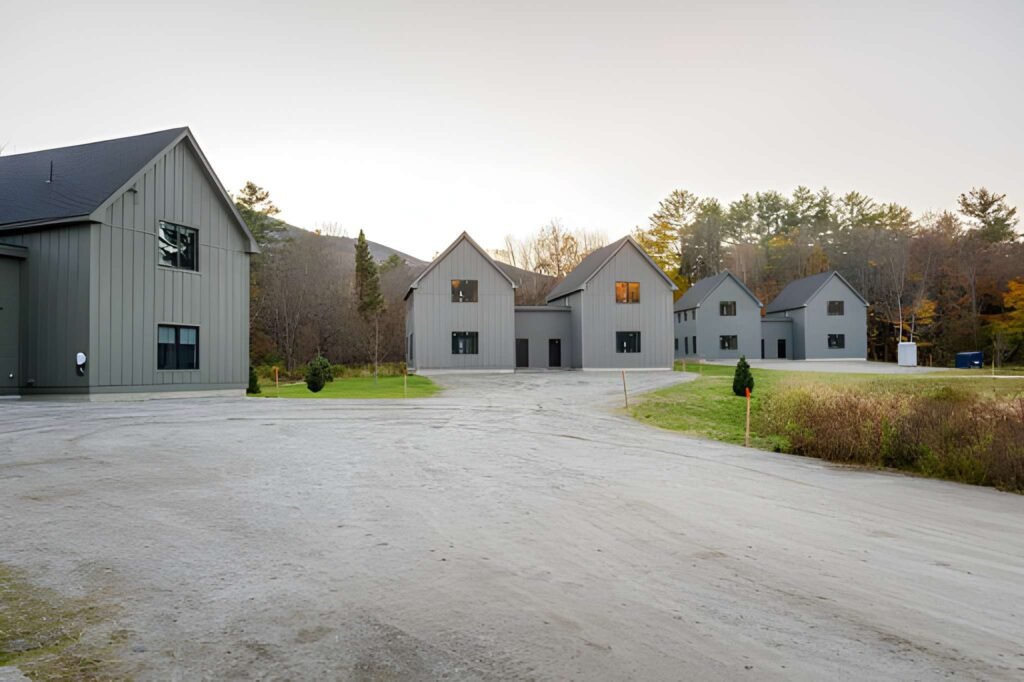
Maine eco homes represent a specialized approach to sustainable building that addresses the state’s unique climate challenges, local material availability, and distinctive architectural traditions. These homes combine New England craftsmanship with cutting-edge sustainable technologies to create dwellings that are energy-efficient, environmentally responsible, and perfectly adapted to Maine’s harsh winters and beautiful natural setting.
Climate-Responsive Design for Maine
Maine-Specific Environmental Considerations:
- Heating-Dominated Climate: 6,000-8,000 heating degree days annually
- Significant Snow Loads: 50-100+ PSF roof requirements in many areas
- Nor’easter Exposure: High winds and moisture penetration concerns
- Short Heating Season: 5-6 months of primary heating needs
- Variable Solar Access: Significant seasonal differences in sun angle and duration
Passive Solar Strategies for Maine:
- Southern Orientation: Maximize winter solar gain while minimizing summer overheating
- Optimal Glazing Ratios: 7-12% of floor area on south facade
- Thermal Mass Placement: Concrete floors, interior masonry to store heat
- Movable Insulation: Window quilts or shutters for nighttime heat retention
Superior Building Envelope Strategies
Insulation Standards for Maine Eco Homes:
- Walls: R-40 to R-60 (typically double-stud, SIPs, or exterior insulated)
- Roofs: R-60 to R-100 (vented or unvented assemblies)
- Foundations: R-20 to R-30 insulated foundations
- Windows: Triple-pane, R-5 to R-8, with insulated frames
Airtightness Targets:
- Passive House Standard: ≤ 0.6 ACH50
- Maine High Performance: 0.6-1.5 ACH50
- Conventional Maine Building: 3-7 ACH50
Maine-Appropriate Heating and Energy Systems
Heating System Options:
Cold Climate Heat Pumps:
- Effectiveness: Operate efficiently down to -15°F to -25°F
- Types: Ducted, ductless mini-splits, or central systems
- Cost: $8,000-$20,000 installed
- Best For: Primary heating in well-insulated homes, with backup
Biomass Systems:
- Wood/Corn/Pellet Stoves: $3,000-$8,000
- Wood Gasification Boilers: $12,000-$25,000
- Maine Advantage: Local, renewable fuel source
Solar Thermal Systems:
- Domestic Hot Water: $6,000-$10,000
- Space Heating Assist: $12,000-$20,000
- Maine Consideration: Drainback systems to prevent freezing
Photovoltaic Systems:
- System Size: 8-12 kW for net-zero capability
- Cost: $20,000-$35,000 before incentives
- Maine Incentives: Federal tax credit, state rebates, net metering
Local and Natural Materials
Maine-Sourced Materials:
Structural Materials:
- Maine-Grown Timber: Eastern white pine, hemlock, spruce
- Local Millwork: Custom cabinets and trim from regional sawmills
- Stone and Masonry: Local granite, fieldstone, and slate
Insulation Options:
- Cellulose: High recycled content, good moisture handling
- Wood Fiber: Imported but natural and vapor-permeable
- Roxul/Mineral Wool: Excellent for fire resistance and soundproofing
Exterior Materials:
- Eastern White Cedar: Natural durability, local sourcing
- Maine-Grown Hardwoods: For decking and exterior details
- Metal Roofing: Long-lasting, snow-shedding capability
Water and Site Management
Maine Water Considerations:
- Well Water Systems: Common in rural areas, require efficient design
- Septic Systems: Mound systems often needed in coastal areas
- Stormwater Management: Important for watershed protection
Water Efficiency Systems:
- Rainwater Collection: For irrigation, sized for growing season
- Greywater Systems: Limited by Maine’s strict plumbing code
- Low-Flow Fixtures: Essential with well and septic systems
Certification and Standards in Maine
Maine-Specific Programs:
- Maine Passive House: Adapting international standards to local climate
- Efficiency Maine Trust: Rebates and technical assistance
- Maine Green Building Supply: Local provider of sustainable materials
National Programs with Maine Adaptations:
- LEED for Homes: Accounts for regional priorities
- ENERGY STAR Version 3: Baseline for many Maine builders
- Passive House US: Cold climate certification standards
Cost Considerations for Maine Eco Homes
Construction Cost Ranges:
- Conventional Maine Construction: $200-$300/sq ft
- Basic Energy-Efficient Home: $250-$350/sq ft
- High-Performance Eco Home: $300-$500/sq ft
- Certified Passive House: $350-$600/sq ft
Financial Incentives:
- Efficiency Maine Rebates: $1,000-$5,000 for heat pumps, insulation, solar
- Federal Tax Credits: 30% for solar, geothermal, battery storage
- Maine State Tax Credits: Various programs for renewable energy
- Net Metering: Full retail credit for solar generation
Maine Eco Home Case Studies
Coastal Passive House, Midcoast Maine:
- Size: 2,100 sq ft
- Features: Triple-pane windows, R-60 walls, heat recovery ventilator
- Heating System: Mini-split heat pumps with electric backup
- Energy Use: 85% less than conventional home
- Cost: $425/sq ft
Inland Net-Zero Home, Western Mountains:
- Size: 1,800 sq ft
- Features: Solar PV, wood stove backup, superinsulated envelope
- Heating: Cold climate heat pumps with pellet stove
- Energy: Net-positive annual production
- Cost: $385/sq ft
Maine-Specific Challenges and Solutions
Weather Extremes:
- Challenge: Temperature swings, ice dams, wind-driven rain
- Solutions: Roof ice shield, pressure-balanced ventilation, robust flashing
Remote Locations:
- Challenge: Limited contractor availability, higher transportation costs
- Solutions: Panelized construction, local material sourcing, phased construction
High Energy Costs:
- Challenge: Maine’s electricity costs 40% above national average
- Solutions: Superior envelope, on-site generation, efficient systems
Leading Maine Eco Home Builders
Specialized Design-Build Firms:
- GO Logic Maine: Passive House specialists with prefabricated options
- Bensonwood: Panelized and timber frame homes with high performance
- Whitten Architects: Maine-focused sustainable design
- Ecocor: Passive House prefabricated homes
Regional Builders with Green Expertise:
- Searles Building: Central Maine sustainable construction
- Brett Donham Architect: Coastal Maine eco homes
- Maine Passive House: Consulting and construction services
Site Planning for Maine Conditions
Optimal Siting Strategies:
- Solar Access: Unobstructed southern exposure critical
- Wind Protection: Evergreen plantings to block northwest winds
- Drainage: Careful grading to manage snowmelt and runoff
- Microclimates: Utilize natural landforms for temperature moderation
Foundation Considerations:
- Frost-Protected Shallow Foundations: Energy-efficient alternative to deep frost walls
- Insulated Slabs: Radiant floor heating compatibility
- Walkout Basements: Utilize sloping sites for daylight access
Maintenance and Operational Considerations
Seasonal Maintenance Requirements:
- Snow Management: Roof rakes for heavy snow, clear solar panels
- Ventilation Systems: Regular HRV/ERV maintenance
- Wood Systems: Chimney cleaning, ash disposal
- Exterior: Monitor for ice dam formation, maintain drainage
Long-Term Durability:
- Moisture Management: Critical in Maine’s humid summers and wet winters
- Material Selection: Durable materials that withstand freeze-thaw cycles
- Accessibility: Design for potential mobility challenges during icy conditions
Community and Regulatory Context
Maine Building Codes:
- Energy Code: Based on IECC with Maine amendments
- Shoreland Zoning: Strict regulations in coastal areas
- Local Ordinances: Vary significantly by municipality
Maine Eco Community Resources:
- Maine Organic Farmers and Gardeners Association: Sustainable living resources
- Maine Audubon: Green building education
- University of Maine: Sustainability research and extension services
Future Trends in Maine Eco Building
Emerging Technologies:
- Air-Source Heat Pump Advancements: Improved cold climate performance
- Battery Storage: Managing peak demand and grid independence
- Advanced Window Technology: Dynamic glazing for seasonal optimization
- Local Material Innovation: Maine-sourced insulation and building products
Policy Developments:
- Maine Climate Action Plan: Increasing focus on building efficiency
- Grid Modernization: Supporting distributed renewable generation
- Building Code Evolution: Moving toward net-zero ready standards
Conclusion
Maine eco homes represent a sophisticated response to the state’s unique environmental conditions, combining traditional New England building wisdom with advanced sustainable technologies. The most successful projects carefully balance extreme energy efficiency with durability, resilience, and connection to Maine’s natural environment. While construction costs are typically higher than conventional building, the long-term benefits—including dramatically reduced energy expenses, superior comfort, and environmental stewardship—make eco homes an increasingly attractive option for Maine residents. As Mainers face rising energy costs and climate change impacts, eco homes offer a resilient, sustainable approach to living comfortably and responsibly in one of America’s most beautiful and challenging climates. The future of Maine eco homes lies in deeper integration with local materials, advanced manufacturing techniques, and community-scale sustainability planning.