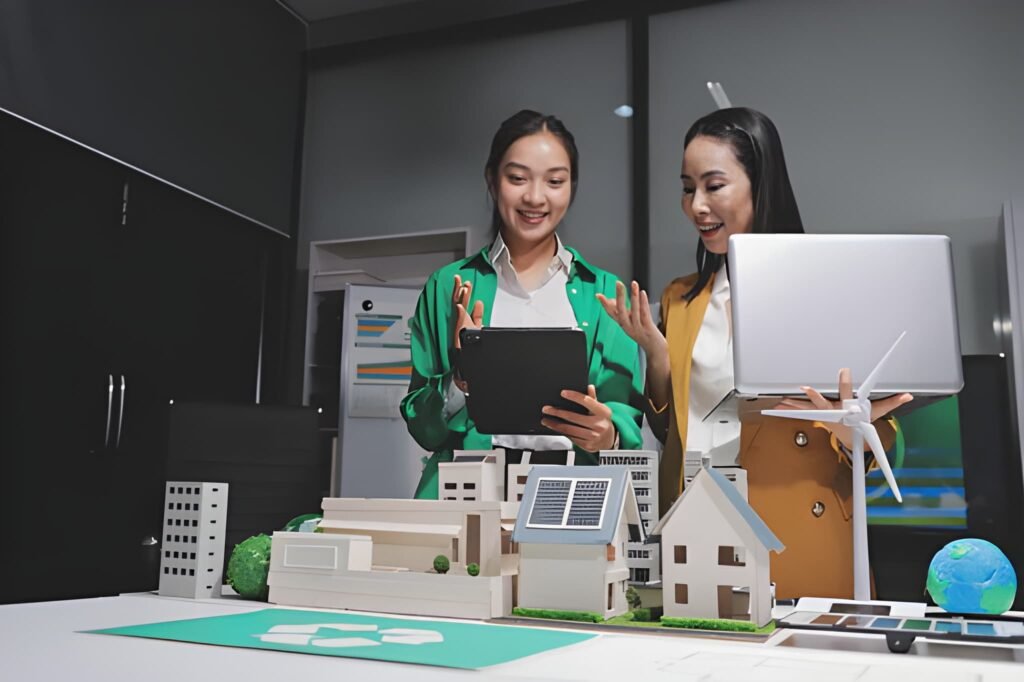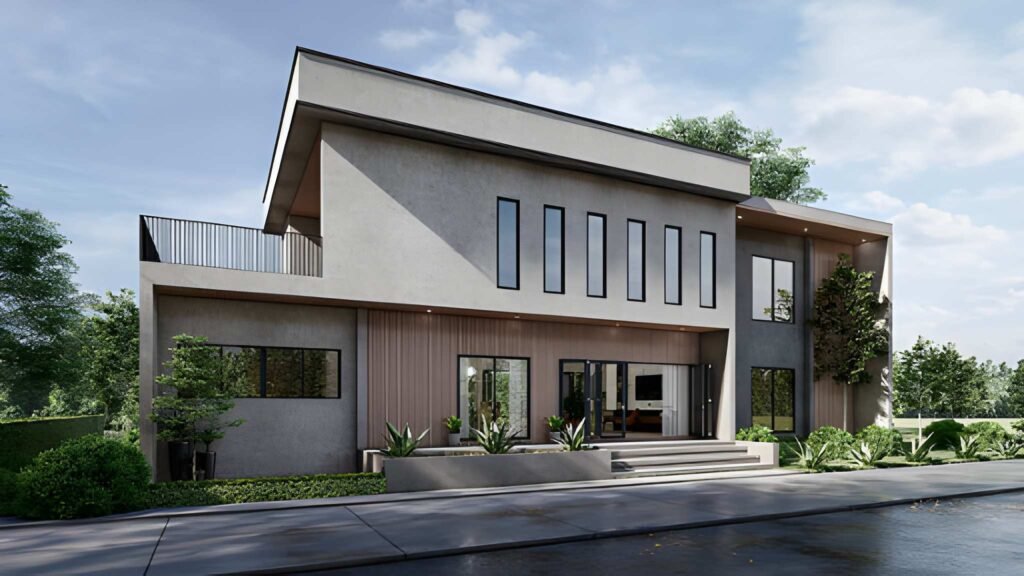
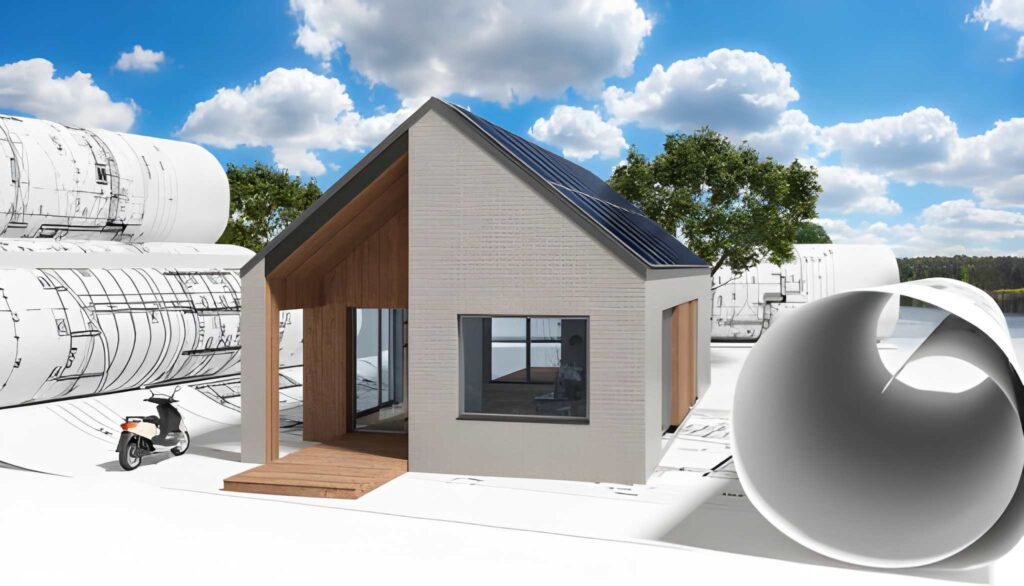
Eco-friendly home construction represents a fundamental paradigm shift in how we build, moving beyond the mere inclusion of “green” products to embrace a holistic, integrated philosophy. This approach considers the entire lifecycle of the home—from material sourcing and construction methods to long-term energy performance and eventual deconstruction. It is a process that synergizes the home with its environment, creating a living system that is energy-resilient, resource-conscious, and inherently healthy for its inhabitants. The goal is not just to reduce harm, but to create a building that actively contributes to the well-being of its occupants and the planet.
The Foundational Principles of Eco-Conscious Building
This methodology is guided by a set of core principles that inform every decision, from the initial sketch to the final coat of paint.
1. Bioclimatic and Passive Design: Working with Nature
The most powerful energy system is one you don’t have to pay for. This principle involves designing the home to leverage its local climate for heating, cooling, and lighting.
- Solar Orientation: In the Northern Hemisphere, the home’s long axis should run east-west, with significant, high-performance glazing on the south side to capture passive solar gain in the winter.
- Strategic Shading: Properly sized roof overhangs, pergolas, or deciduous trees are designed to block the high summer sun while allowing the low winter sun to penetrate and warm the interior.
- Natural Ventilation: The floor plan and window placement are engineered to facilitate cross-ventilation, leveraging prevailing breezes to cool the home without mechanical assistance.
- Thermal Mass: Materials like concrete slabs, stone, or tile are incorporated to absorb heat during the day and release it slowly at night, stabilizing indoor temperatures.
2. Super-Efficient Building Envelope: The Ultimate Priority
Before considering fancy technology, the building itself must be optimized. The envelope—the barrier between conditioned and unconditioned space—is the cornerstone of efficiency.
- Continuous Insulation: The entire structure is wrapped in a continuous layer of high-R-value insulation, eliminating thermal bridges (weak points where heat escapes, like wood studs). Techniques include double-stud walls, exterior rigid foam insulation, or Structural Insulated Panels (SIPs).
- Airtight Construction: A meticulous air barrier is created using specialized tapes, membranes, and gaskets to seal every seam and penetration. This prevents drafts, reduces energy loss by up to 40%, and stops moisture-laden air from condensing inside walls, which prevents mold.
- High-Performance Windows: Triple-pane windows with low-emissivity (low-E) coatings and insulated frames are non-negotiable. They are the eyes of the home, providing light and views without being a major source of heat loss or gain.
3. Material Health and Lifecycle Analysis: Building with Intention
The materials chosen impact both the global environment and the home’s indoor air quality.
- Low-Embodied Energy: Prioritize materials that require minimal energy to extract, manufacture, and transport. This includes locally sourced stone, reclaimed wood, and recycled-content products.
- Rapidly Renewable and Sustainable: Use materials like bamboo flooring, cork, and wool insulation that regenerate quickly. All wood should be certified by the Forest Stewardship Council (FSC).
- Non-Toxic and Healthy: Specify materials that do not off-gas harmful chemicals: zero-VOC paints, formaldehyde-free cabinetry and subflooring, and natural plasters. This ensures superior indoor air quality, crucial for health.
4. Integrated, High-Efficiency Systems
Once the home’s passive design and envelope are optimized, highly efficient mechanical systems are sized appropriately to handle the drastically reduced load.
- All-Electric, High-Efficiency Systems: Move away from fossil fuels. Use air-source or ground-source (geothermal) heat pumps for heating and cooling, which are 300-500% efficient. Install heat pump water heaters and induction stovetops.
- On-Site Renewable Energy: A rooftop solar photovoltaic (PV) system, sized for the now highly efficient home, can realistically achieve Net-Zero Energy status.
- Balanced Ventilation with Heat Recovery: An airtight home requires mechanical ventilation. An Energy Recovery Ventilator (ERV) or Heat Recovery Ventilator (HRV) provides constant fresh, filtered air while recovering 70-90% of the energy from the exhausted air.
The Construction Process: A Methodology of Precision
The how of building is as important as the what.
- Prefabrication and Panelization: Building wall and roof panels in a controlled factory environment drastically reduces material waste (by up to 30%), improves quality control, and speeds up on-site assembly, minimizing weather-related delays and site disturbance.
- Advanced Framing (Optimum Value Engineering): Using framing techniques that reduce lumber use without compromising structural integrity, creating more space for insulation.
- Water Management Details: A “perfect window” installation, proper flashing, and integrated rain-screen walls ensure water is effectively shed and drained away from the structure, preventing rot and moisture damage.
The Tangible Outcome: A Home That Performs
The result of this integrated approach is a home that offers profound, measurable benefits:
- Radical Energy Reduction: Utility bills are typically 70-90% lower than a standard code-built home, and can be eliminated with a modest solar array.
- Unmatched Durability and Resilience: The robust building science principles result in a structure that is resistant to moisture, pests, and extreme weather, ensuring a much longer lifespan with lower maintenance.
- Superior Comfort and Health: Even temperatures, no drafts, abundant natural light, and pristine indoor air quality create an exceptionally comfortable and healthy living environment.
- Future-Proofing: As energy costs rise and climate volatility increases, these homes become more valuable, comfortable, and secure assets.
Eco-friendly home construction is the intelligent and ethical future of building. It is a rejection of the wasteful and inefficient practices of the past in favor of a methodology rooted in science, respect for resources, and a profound understanding of human well-being. It proves that the highest form of luxury is not opulence, but resilience, health, and harmony with the natural world—a home that is a true sanctuary for its inhabitants and a legacy of stewardship for the planet.