The New Standard of Opulence: Sustainable Luxury Real Estate
An expert analysis of the high-end market's shift toward high-performance, eco-conscious properties.
Article Navigation
Defining Sustainable Luxury: Beyond Granite and Marble
The term "luxury real estate" once connoted sheer scale, expensive finishes, and prominent addresses. Today, that definition has undergone a dramatic, necessary revision. Sustainable luxury is the industry's evolution, pairing meticulous, high-end design with uncompromising environmental performance. This shift moves beyond token solar panels; it integrates systems, materials, and operational efficiencies that minimize environmental footprint while maximizing occupant comfort and long-term asset value. A truly luxurious home is one that costs nearly nothing to operate, maintains superior indoor air quality, and respects the land upon which it sits.
For US buyers, this is not a niche trend but a critical market expectation. Affluent buyers increasingly prioritize legacy, health, and a demonstrable commitment to climate stewardship. This demand drives developers to adopt technologies that were once specialized and expensive but are now becoming the baseline for premium construction. The goal is to deliver an experience where comfort, health, and environmental consciousness are seamlessly integrated.
The Triple Bottom Line of High-End Design
Sustainable luxury homes operate on a triple bottom line: performance, health, and conservation. Performance ensures the building envelope is airtight, reducing energy demand by up to 90%. Health focuses on utilizing non-toxic, locally sourced, and reclaimed materials, coupled with advanced filtration systems to manage air and water quality. Conservation applies to water reuse systems, thoughtful landscaping, and preserving native ecosystems on the property.
Key Fact: Energy usage represents the single largest operational cost in a traditional luxury home. A high-performance green home typically reduces this expenditure by 60% to 90%, immediately translating to superior financial performance and a hedge against rising utility costs.
Technological Foundations: Energy Independence
The engineering inside these homes is often more sophisticated than the aesthetic finishes. True green luxury homes achieve net-zero energy status, meaning the total amount of energy used on an annual basis is equal to the amount of renewable energy created on-site. This requires integrating multiple complex systems designed to work in concert.
The Airtight Envelope
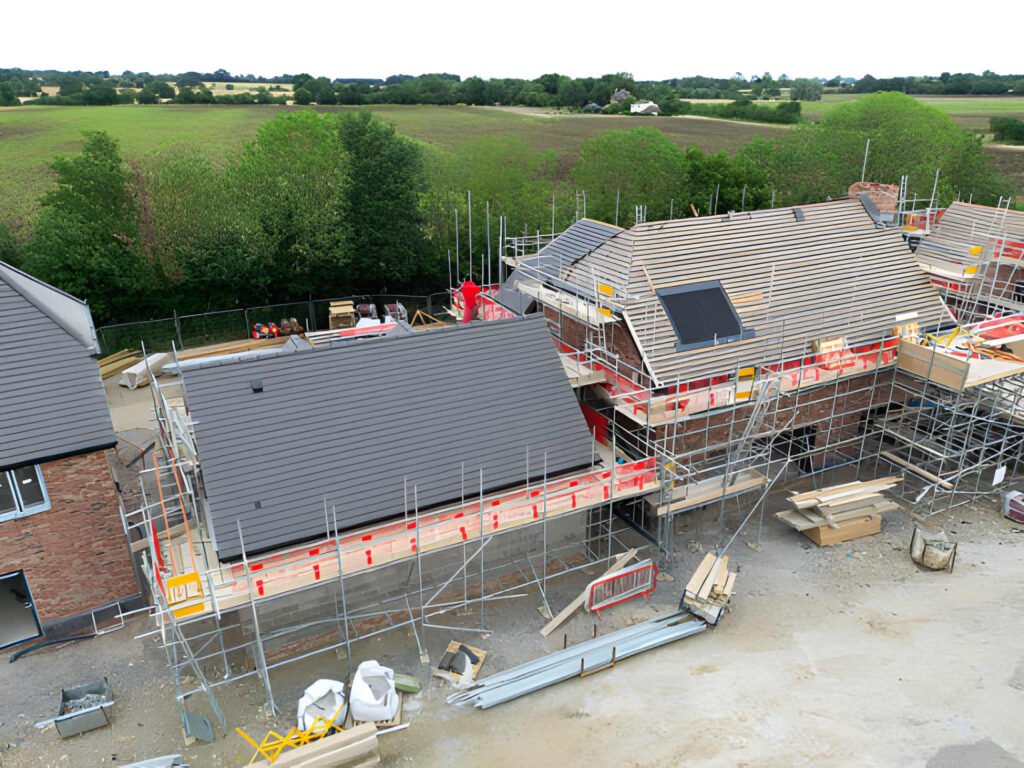
A building's enclosure is its most critical defense against energy loss. Advanced construction techniques employ continuous insulation, highly effective thermal breaks, and meticulous air-sealing. This strategy dramatically reduces the need for constant heating or cooling. Triple-pane windows, often imported from Europe, are standard in this sector, eliminating thermal bridges that are common in less expensive construction.
Smart Systems and Renewable Generation
Renewable energy is mandatory. High-density photovoltaic (PV) arrays—often integrated discreetly into the roofline or ground-mounted in a manner that preserves the view—generate the required power. This energy is managed by sophisticated home automation platforms that learn occupant behavior to optimize usage. Geothermal heat pump systems use the Earth's stable temperature for highly efficient heating and cooling, providing consistent, quiet, and extremely cost-effective climate control.
Valuation and Market Drivers: The Investment Edge
The initial cost to build a high-performance home can range from 5% to 20% higher than a comparable conventional home. However, US real estate experts recognize that this premium translates into superior market value and investment security, making these properties increasingly desirable assets in the luxury bracket.
The Financial Case for Green Premium
Appraisers are catching up to the technology. They recognize that a home with demonstrably low operating costs and high health scores carries a financial advantage. Data increasingly shows that certified green homes sell faster and command higher prices—a metric referred to as the "green premium." This premium is driven by lower risk, higher resilience, and predictable long-term utility expenses.
| Valuation Metric | Conventional Luxury Home | Green Luxury Home (Net-Zero) |
|---|---|---|
| Annual Utility Cost | $12,000 - $30,000+ | **Under $1,500** (Often near $0) |
| Resale Value (Green Premium) | Standard appreciation | **3% to 10% higher** value compared to non-certified peers |
| Risk Profile (Climate Events) | High exposure to utility rate hikes and grid instability | **Low**; resilient to outages, reduced insurance costs |
| Air Quality Index | Average, subject to outside pollutants | **Superior** (Continuous filtration, no VOCs) |
Comparison based on an average 6,000 sq. ft. luxury property in the Northeast U.S.
The Importance of Certification Standards
In the luxury market, certifications provide transparency and third-party verification, ensuring the home performs as advertised. Buyers rely on these benchmarks to guarantee quality construction and environmental performance.
Verifying Performance: Certification Accordion
Understanding the difference between the leading certification programs is essential for evaluating a green luxury property. Each program emphasizes a slightly different metric.
LEED is arguably the most recognized standard globally. It uses a flexible points-based system covering sustainability in site development, water efficiency, energy, materials, and indoor environmental quality. In the luxury sector, homes typically achieve LEED Platinum status, focusing heavily on innovative design and high-efficiency metrics. It is comprehensive but sometimes criticized for complexity.
Passive House is a rigorous, performance-based standard originating in Germany. It focuses almost entirely on the mechanical performance of the building envelope, requiring extremely low rates for air changes per hour (ACH) and minimal primary energy demand. A Passive House luxury property provides ultimate comfort and typically requires minimal supplemental heating or cooling, even in extreme climates. The standard is absolute and highly measurable.
The WELL standard focuses on human health and well-being. While LEED focuses on the planet, WELL focuses on the people inside the building. It measures and certifies aspects like air, water, nourishment, light, fitness, comfort, and mind. For a luxury buyer, the WELL standard directly translates to a superior living experience, ensuring purified water, circadian lighting design, and a focus on restorative spaces.
Case Studies: Communities and High-Profile Builds
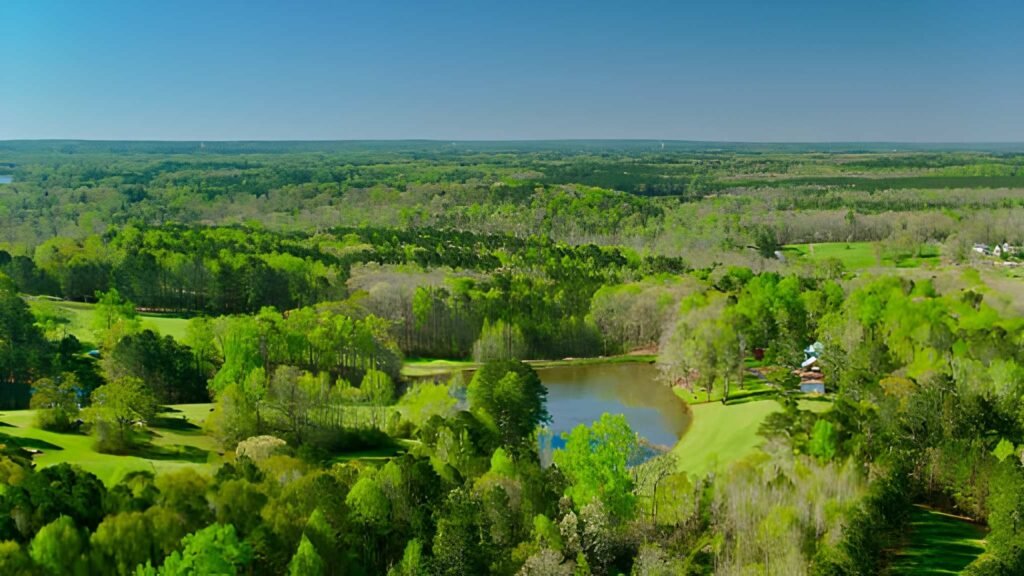
Across the US, dedicated green communities are emerging, showing that sustainability is scalable. These communities often feature shared renewable infrastructure and integrate nature into the overall master plan, offering residents a genuinely restorative living experience. From Colorado's mountain retreats to California's coastal estates, the trend is geographically universal.
The Role of Number 17 in Sustainable Design
The number 17 is prominent in discussions around green development, specifically due to its association with global standards. The United Nations' 2030 Agenda includes **17 Sustainable Development Goals (SDGs)**, which serve as a global blueprint for a better world. While not a building standard itself, the SDGs provide a macro framework that influences large-scale green luxury developers. For example, a development adhering to the principles of SDG 11 (Sustainable Cities and Communities) and SDG 13 (Climate Action) often features shared microgrids, community gardens, and responsible material sourcing, directly benefiting the luxury homes within that ecosystem.
These developments go beyond individual home performance to embrace circular economy principles on a neighborhood scale, ensuring that the infrastructure itself is built for longevity and minimal resource depletion. This holistic approach is what separates true luxury sustainable communities from simple collections of high-end, efficient homes.
Material Science: Beyond Off-Gassing
Material selection is critical for both sustainability and health. Luxury builders prioritize materials with low or zero volatile organic compounds (VOCs). Examples include specialized formaldehyde-free cabinetry, mineral-based paints, and natural materials like reclaimed wood, bamboo, and high-performance cross-laminated timber (CLT). The shift to CLT, in particular, demonstrates how builders are integrating renewable resources that offer excellent structural performance and carbon sequestration benefits.
The Zero-Waste Construction Site
Managing the construction waste stream is another element of sustainable luxury. High-end projects often track material inputs and outputs rigorously, aiming for less than 10% waste by volume, compared to the industry average of over 30%. This requires detailed planning, just-in-time material delivery, and partnerships with local recycling centers.
Final Assessment: The Value Proposition
For high-net-worth individuals, sustainable luxury represents the only logical path forward. It is not an expenditure on a fad, but an investment in an asset class designed for resilience and exceptional performance. The confluence of superior health metrics, near-zero operational costs, and demonstrable environmental stewardship ensures these properties retain a competitive edge and appeal, guaranteeing their position at the apex of the US real estate market for decades to come.
This value proposition simplifies the complex decision, shifting focus from immediate cost to enduring, generational worth.
© Expert Analysis, .