
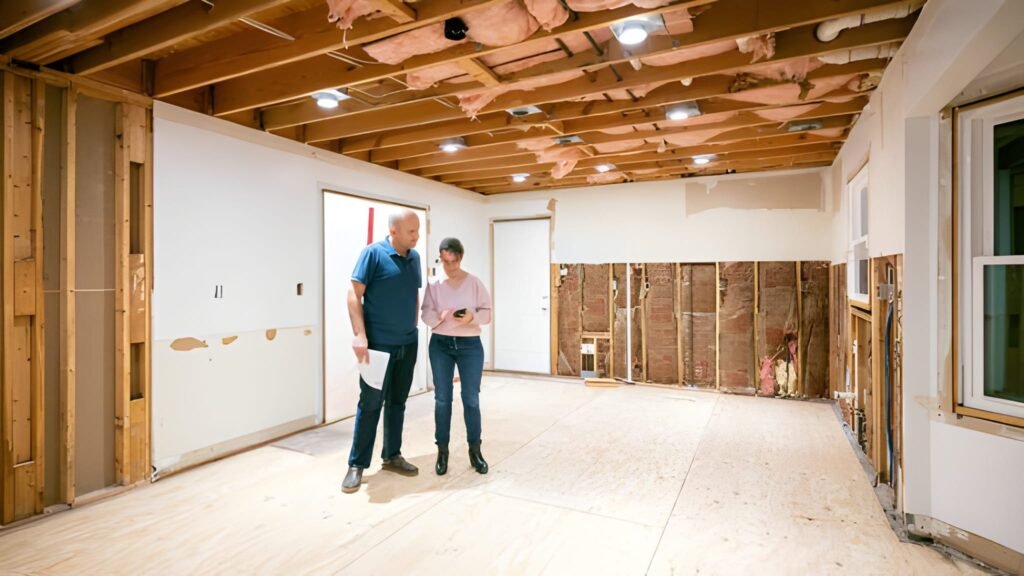
In the modern rental market, where open floor plans, hard surface finishes, and dense urban living are the norm, noise has become a primary source of tenant dissatisfaction. The traditional landlord approach to sound—relying solely on basic insulation to meet building code—is no longer sufficient for a premium offering. Acoustic treatment, the strategic management of sound within a space, represents a powerful, yet often overlooked, opportunity to significantly enhance a property’s value, desirability, and perceived quality. For a landlord, this is not about building a recording studio; it is about engineering peace and privacy, two commodities for which tenants will pay a substantial premium. Integrating thoughtful acoustic design transforms a rental property from a noisy box into a serene sanctuary, directly addressing one of the most common pain points of modern living.
The Acoustic Problem in Standard Rentals
The typical rental property is an acoustic disaster by design. Contemporary aesthetics favor materials that are visually appealing but sonically harsh. Hardwood, laminate, and tile floors reflect sound. Large, open spaces allow noise to travel unimpeded. Large windows and high ceilings create cavernous echoes. Thin interior walls, often built with minimal insulation, act as mere suggestions of privacy, allowing every conversation, television show, and footstep to become shared entertainment between units. The result is a environment of sonic bleed that leads to tenant stress, neighbor disputes, and early lease terminations. The landlord who ignores this is ignoring a fundamental component of livability.
The Landlord’s Toolkit: Non-Invasive, High-Impact Solutions
The goal for a rental property is not permanent, tenant-specific modification, but rather the integration of scalable, durable, and attractive solutions that become a permanent feature of the unit.
1. Mass-Loaded Vinyl (MLV): The Invisible Barrier
MLV is a dense, flexible sheeting that acts as a sound barrier. It is the most effective weapon against airborne noise (voices, TVs) and impact noise (footsteps). For a landlord, its value is in its versatility and permanence.
- Walls: MLV can be installed behind drywall during a renovation or in a wall cavity during construction. For existing units, a less invasive method is to install it as an underlayer behind a new layer of drywall. This dramatically reduces sound transmission between adjacent units or rooms.
- Floors: Placing MLV beneath the flooring underlayment is a transformative upgrade for multi-story buildings. It deadens the sound of footsteps and dropped objects, a common source of inter-tenant conflict.
- Ceilings: In units with noisy upstairs neighbors, adding a dropped ceiling with MLV and acoustic insulation can be a major selling point.
2. Acoustic Panels and Tiles: Taming the Echo
Reverberation and echo make spaces feel loud and chaotic even when the source noise is moderate. Strategic placement of acoustic panels absorbs this reflected sound, making rooms feel quieter and more intimate.
- Aesthetic Integration: The key in a rental is to move beyond the utilitarian studio foam. Modern acoustic panels are available as elegant fabric-wrapped art, decorative wood slat walls, or even customizable prints. They can be mounted in living rooms to dampen TV noise, in home offices to improve call clarity, or in bedrooms to create a calmer atmosphere. They are installed with non-damaging adhesive strips or a secure mounting system that leaves minimal marks upon removal.
- Ceiling Clouds: In units with high ceilings or hard kitchen floors, hanging acoustic “clouds” or baffles from the ceiling can dramatically reduce overall reverberation without sacrificing the sense of space.
3. Strategic Soft Furnishings and Built-Ins
The landlord can guide the acoustic experience through the permanent fixtures and recommended furnishings.
- Rugs and Pads: While a tenant provides the rug, the landlord can provide a high-quality, acoustic underlay. Marketing the property as “acoustically prepped for area rugs” signals a commitment to quiet living and encourages the tenant to complete the solution.
- Soft-Furnishing Starter Pack: For a premium touch, a landlord could include a package of heavy, floor-to-ceiling curtains for the living room and master bedroom. These are massive sound absorbers, especially for noise leaking through windows.
- Built-In Shelving: Full, built-in bookshelves, especially when filled with books and objects, act as excellent diffusers, breaking up sound waves rather than letting them bounce off flat walls.
4. Door and Window Seals: Plugging the Leaks
Sound travels through the path of least resistance, which is often the gaps around doors and under them.
- Automatic Door Bottoms: Installing doors with sweep seals that drop automatically when the door closes creates a tight acoustic seal at the threshold.
- Weatherstripping: High-density weatherstripping around the perimeter of exterior and interior doors is a low-cost, high-return upgrade.
- Window Inserts: For properties in particularly noisy areas (e.g., near airports or busy streets), interior acrylic window inserts can be installed to create a dead air space, providing a significant reduction in exterior noise without replacing the entire window unit.
Marketing the Acoustic Advantage
A property with integrated acoustic treatment cannot simply be listed with the same language as every other unit. The marketing must articulate the value of silence.
- Feature the Features: List “acoustically treated interior,” “sound-dampening wall systems,” or “enhanced privacy design” in the listing highlights.
- Use Compelling Language: Describe the “serene, quiet living environment,” the “peaceful retreat from the city,” or the “ideal home office with professional-grade acoustics.”
- Provide the “Why”: Explain that the home features “specialized insulation to minimize neighbor noise” or “acoustic panels in the living area for a more comfortable entertainment experience.” This educates the tenant on the tangible benefits they will receive.
Table: Acoustic Solutions for Common Rental Noise Problems
| Noise Problem | Source | Landlord Solution | Tenant Benefit |
|---|---|---|---|
| Airborne Noise (Voices, TV) | Thin walls between units. | Install Mass-Loaded Vinyl (MLV) in walls. | Privacy and freedom from neighbor sounds. |
| Impact Noise (Footsteps) | Floor/Ceiling assemblies. | MLV and acoustic underlayment beneath flooring. | Quiet from upstairs neighbors; ability to live normally without disturbing tenants below. |
| Reverberation/Echo | Hard surfaces (floors, walls). | Install decorative acoustic panels on walls/ceiling. | A calmer, more intimate atmosphere; better media and call quality. |
| Exterior Noise (Traffic, City) | Windows and door seals. | Upgrade weatherstripping; consider window inserts. | A true sanctuary that buffers the outside world. |
| Plumbing Noise | Pipes in walls. | Insulate plumbing stacks with acoustic wrap. | Elimination of startling water hammer and drain noise. |
The decision to invest in acoustic treatment is a strategic calculation of value over cost. The initial expenditure on MLV, acoustic panels, and upgraded seals is tangible. The return, however, is multifaceted: it commands a higher monthly rent, attracts a more discerning and stable tenant pool, reduces turnover caused by noise complaints, and minimizes conflict-driven management time. In a crowded market, a reputation for quiet is a powerful and rare differentiator. It signals a landlord who attends to the unspoken, yet deeply felt, needs of their residents. By treating acoustics not as a problem to be solved, but as an amenity to be marketed, a landlord elevates their property from a simple shelter to a thoughtfully engineered home. In the end, the quietest property often makes the most noise in the marketplace.


