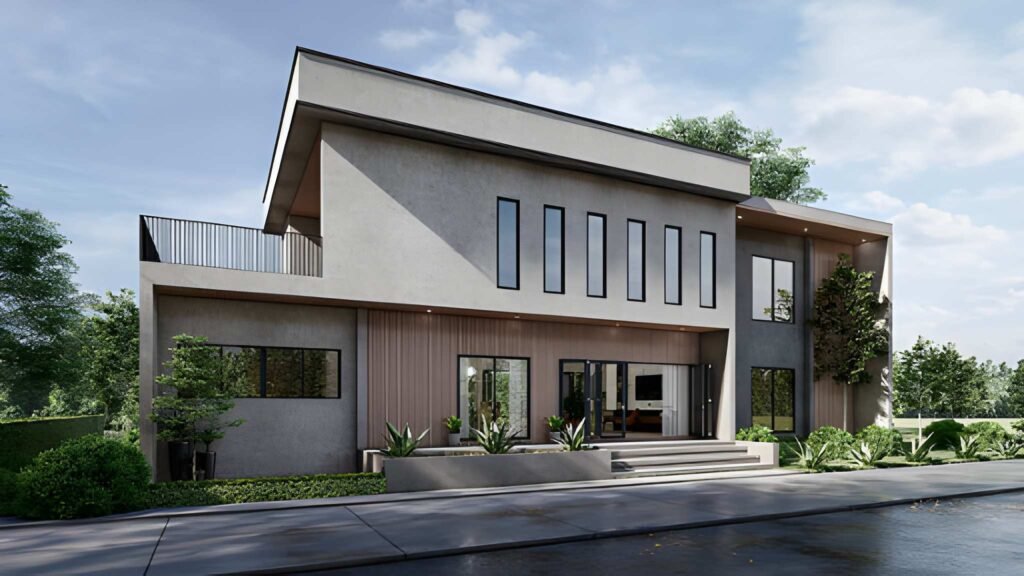
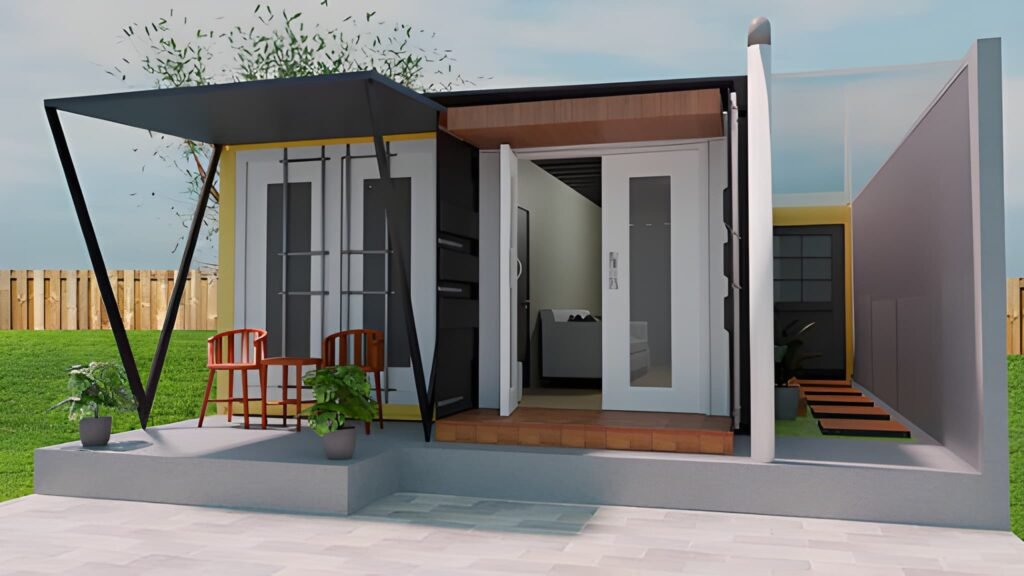
The image is compelling: a stark, corrugated steel box, a symbol of globalized commerce, transformed into a modern, minimalist dwelling. The shipping container home has captured the modern imagination as the ultimate emblem of adaptive reuse—a direct, seemingly simple solution to housing that is both affordable and sustainable. The promise is alluring: take an abundant, durable, and relatively inexpensive industrial artifact and upcycle it into a rugged, eco-conscious abode. Yet, the journey from surplus container to comfortable, efficient home is a complex alchemical process, one fraught with hidden challenges, significant costs, and critical design considerations that separate the successful project from the misguided folly.
The truth about shipping container architecture exists in the space between its raw potential and its practical execution. To understand its true value as an eco-friendly home is to move beyond the trendy aesthetic and examine the lifecycle, the structural realities, and the necessary fusion of industrial material with delicate human needs.
The Allure: The Inherent Strengths and Green Appeal
The initial argument for shipping container homes is powerful and rests on a foundation of compelling, tangible benefits.
The Embodied Energy Dividend
The most significant environmental claim is the reuse of the container’s embodied energy. A standard 40-foot steel shipping container represents approximately 8,000 pounds of high-grade steel and the immense energy required to mine the iron ore, produce the steel, and manufacture the box. By repurposing a decommissioned container, you are salvaging this embodied energy, preventing it from becoming scrap and avoiding the carbon footprint of producing an equivalent amount of new building materials. This is a powerful form of industrial recycling on a massive scale.
Structural Integrity and Durability
Containers are engineered to withstand brutal conditions. They are stacked nine high on container ships, braced against hurricane-force winds at sea, and endure the jarring impacts of rail and truck transport. This translates to a structure that is inherently strong, pest-resistant, and, when properly maintained, incredibly long-lasting. The corrugated steel walls provide immense tensile strength, creating a shell that can be ideal for harsh climates or sites prone to high winds.
Modularity and Potential for Speed
The container’s standardized dimensions—typically 8 feet wide and 9.5 feet high internally—make it a modular building block. This allows for creative configurations: stacking them sideways to create cantilevers, placing them end-to-end for long, narrow layouts, or clustering them around a central courtyard. In theory, the core structure can be placed on a foundation in a single day, potentially accelerating the construction timeline compared to traditional stick-framing.
The Reality: The Hidden Costs and Complex Challenges
The romantic vision of a simple container conversion collides with the hard physics of building science and the practicalities of construction. The challenges begin the moment you decide to cut into that steel box.
The Toxic Legacy: Off-Gassing and Contaminants
This is the most critical and often overlooked health consideration. Shipping containers are workhorses of global trade, and their history is unknown. They are routinely sprayed with powerful pesticides to prevent the spread of insects and rodents across international borders. The wooden floors are typically saturated with chemical preservatives containing pesticides and heavy metals like arsenic and chromium. The paints used on the exterior are marine-grade coatings containing lead and other toxic anti-corrosives. Before a container is habitable, it requires intensive remediation: sandblasting the entire interior to bare metal, removing and properly disposing of the floor, and sealing the interior with a non-toxic, safe-for-indoors primer and paint. This process is expensive, labor-intensive, and generates hazardous waste.
The Thermodynamic Nightmare of Steel
Steel is a phenomenal conductor of heat. In a climate with temperature extremes, an uninsulated container becomes an oven in the summer and a refrigerator in the winter. Managing this requires extensive insulation, which presents a spatial and technical dilemma.
- Exterior Insulation: Adding insulation to the outside preserves the precious interior dimensions but obscures the iconic container aesthetic many desire. It also requires adding a new rain-screen cladding system over the insulation.
- Interior Insulation: Insulating on the inside quickly consumes the already narrow interior width. A standard 2×4 wall with insulation will reduce an 8-foot width to 7.5 feet, creating a cramped, tunnel-like feeling. Furthermore, insulating on the interior risks creating condensation points where warm, moist indoor air meets the cold steel, leading to hidden rust and mold within the wall cavity. This demands an exceptionally careful and continuous vapor barrier.
The Structural Compromise of Modifications
The moment you cut an opening for a window or a door, you compromise the structural integrity of the container. The corrugated panels are an integral part of its strength. Every cut requires the addition of new steel reinforcement—lintels, posts, and moment frames—to redistribute the structural loads. This work must be done by a skilled steel fabricator or welder, adding significant cost and complexity. The dream of a wall of glass is structurally possible, but it transforms the simple box into a complex steel frame building, negating much of the perceived simplicity.
The Spatial and Psychological Constraints
The dimensions of a standard container are challenging for comfortable living. The 8-foot width is narrow, forcing a linear, single-file layout. The 9.5-foot ceiling height feels industrial, but after adding a floor structure and an insulated ceiling, it often drops to a standard 8 feet. To create a sense of space, multiple containers must be combined, which introduces another set of challenges: how to seamlessly join them, how to weatherproof the connections, and how to create a floor plan that feels open and fluid rather than a series of connected tunnels.
| Consideration | The Idealized Promise | The Practical Reality |
|---|---|---|
| Cost | An affordable, budget-friendly housing solution. | Costs often meet or exceed conventional construction due to site work, insulation, structural reinforcement, and specialized labor. |
| Sustainability | The ultimate in recycling; a “green” building by default. | Highly dependent on remediation of toxic materials. True sustainability is achieved only through superior insulation, renewable energy, and water systems. |
| Construction Speed | Rapid assembly due to modular nature. | Site work, foundation, modifications, and insulation are time-consuming. The “drop-on-site” speed is a small part of the overall timeline. |
| Durability | Strong, long-lasting steel structure. | Prone to corrosion if not properly sealed and maintained. Vulnerable to condensation without perfect vapor management. |
| Design Flexibility | Modular blocks for creative configurations. | Constrained by fixed dimensions; significant structural engineering required for major modifications. |
The Path to a Truly Eco-Friendly Container Home
A successful, genuinely sustainable shipping container home is not a simple conversion. It is a project that acknowledges and expertly addresses these challenges, leveraging the container’s strengths while mitigating its weaknesses.
Start with a “One-Trip” Container
The best candidate for a home is a “one-trip” container, which has made only a single journey from its manufacturer to a port. These containers have less exposure to unknown chemicals and general wear and tear, though they still require full interior remediation.
Prioritize a Super-Insulated, Airtight Envelope
The key to comfort and efficiency lies in treating the container not as the finished wall, but as the structural shell. The most effective approach is to build a high-performance building within the container or around it. This could mean:
- Building an independent interior frame with thick, continuous insulation that does not touch the steel walls, creating a thermal break and preventing condensation.
- Applying exterior insulation and a new cladding system, effectively using the container as a structural subframe. This sacrifices the aesthetic but guarantees performance.
Design for the Container, Not Despite It
The most successful designs embrace the container’s linear nature rather than fighting it. They use multiple containers to create protected outdoor spaces, courtyards, and long, narrow wings that house specific functions like bedrooms or studios. They celebrate the industrial character in non-critical areas while using finishes and layouts that counteract feelings of claustrophobia.
Integrate Regenerative Systems
The eco-friendly potential is fully realized when the container home is paired with off-grid or resilient systems. The strong, flat roof is ideal for solar panels. The compact volume is easier to heat and cool with a mini-split heat pump. Rainwater harvesting and composting toilets align with the home’s ethos of self-sufficiency and resource independence.
The shipping container home is a powerful conceptual tool, forcing a re-examination of waste, resources, and the very definition of a house. As a ready-made structural shell, it offers a head start. But it is not a shortcut. The journey to a comfortable, healthy, and efficient container home demands a higher level of design intelligence, a larger budget for specialized labor, and a more rigorous approach to building science than many anticipate. Its true sustainability is not inherent in its form, but is painstakingly engineered into its performance, transforming a symbol of global consumption into a sanctuary of mindful living.