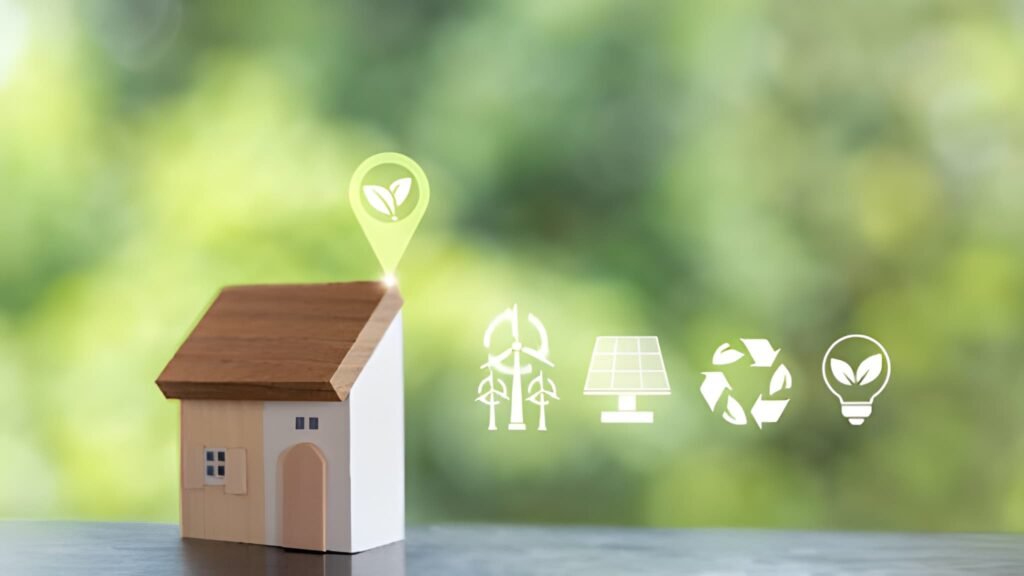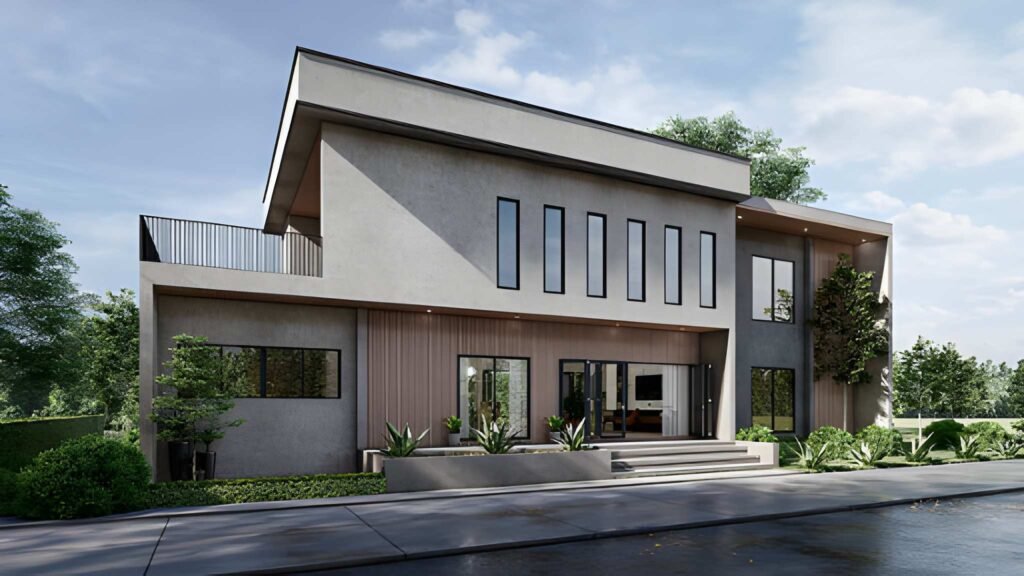
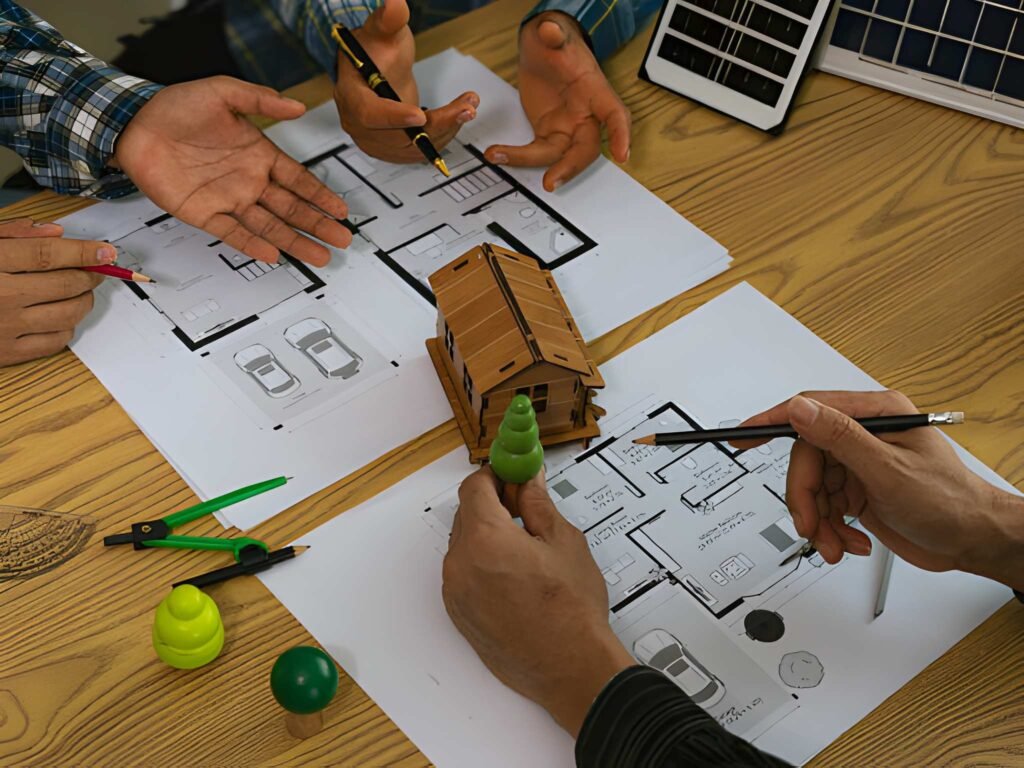
Eco-friendly home design represents a fundamental shift in how we conceive of residential architecture, moving beyond a checklist of green products to embrace a holistic philosophy that integrates a structure with its environment, its inhabitants, and its long-term impact. This approach, often termed “bioclimatic design,” prioritizes energy independence, resource conservation, and occupant health from the initial sketch, creating a home that is not just built on the land, but is a responsive and regenerative part of it. The goal is a dwelling that gives back more than it takes.
The Foundational Pillars of Eco-Friendly Design
Successful eco-design rests on a framework of interconnected principles that guide every decision, from orientation to material selection.
1. Passive Design: Harnessing Nature’s Free Energy
This is the cornerstone, designing the home to work with the local climate to minimize the need for mechanical heating and cooling.
- Solar Orientation: In the Northern Hemisphere, positioning the home with its long axis running east-west and maximizing south-facing glazing (with proper overhangs) captures low-angle winter sun for natural heating while blocking the high-angle summer sun.
- Strategic Window Placement: Utilizing high-performance, triple-pane windows on the south for solar gain, and minimizing windows on the north to reduce heat loss. East and west windows are sized and shaded carefully to manage morning and afternoon heat.
- Thermal Mass: Incorporating materials like concrete slabs, stone walls, or tile floors that absorb heat during the day and release it slowly at night, stabilizing indoor temperatures.
- Cross-Ventilation: Designing the floor plan and window layout to facilitate natural breezes that cool the home without air conditioning.
2. A Super-Insulated and Airtight Building Envelope
The building envelope is the primary barrier between the controlled interior and the external environment. Its performance is paramount.
- Continuous Insulation: Wrapping the entire structure—walls, roof, and foundation—in a continuous layer of high-R-value insulation without thermal bridges (gaps where heat can easily escape). This often involves advanced framing techniques, double-stud walls, or exterior rigid insulation.
- Airtight Construction: Using specialized membranes and tapes to create an airtight seal around the entire building. This prevents drafts, reduces energy loss, and stops moisture-laden air from condensing within walls, which prevents mold and rot.
- High-Performance Windows and Doors: Investing in windows with low U-values (insulating ability) and low Solar Heat Gain Coefficients (SHGC) tailored to the home’s orientation and climate.
3. Energy and Water Systems for Autonomy
Once the home’s passive systems are optimized, active systems are integrated to meet remaining needs efficiently.
- All-Electric, High-Efficiency Systems: Moving away from fossil fuels to systems like air-source or ground-source (geothermal) heat pumps for heating and cooling, which are 3-5 times more efficient than standard systems. Heat pump water heaters and induction stoves further electrify the home for a cleaner, safer interior environment.
- On-Site Renewable Energy: Installing solar photovoltaic (PV) panels, and potentially a residential battery (like a Tesla Powerwall), to power the highly efficient home, aiming for Net-Zero Energy status.
- Water Positivity: Implementing rainwater harvesting systems with large cisterns for irrigation and, with proper filtration, potable use. Greywater systems recycle water from showers and sinks for toilet flushing and landscaping. Low-flow fixtures and WaterSense-labeled appliances drastically reduce consumption.
4. Biophilic Design and Material Health
This principle connects the occupants to nature and ensures the indoor environment is non-toxic.
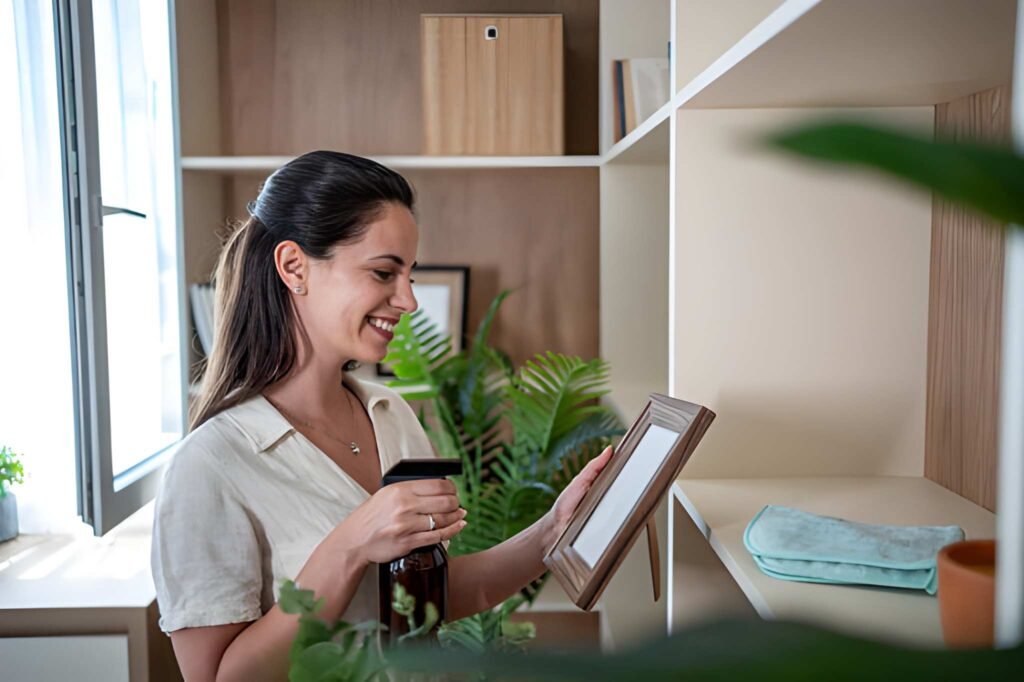
- Connection to Nature: Using ample natural light, providing views of greenery, incorporating indoor plants and living walls, and using natural materials like wood and stone. This reduces stress and improves well-being.
- Non-Toxic Material Selection: Specifying materials with low or zero Volatile Organic Compounds (VOCs): no-VOC paints, formaldehyde-free cabinetry, and natural flooring like FSC-certified wood, cork, or linoleum. This ensures superior indoor air quality.
- Material Lifecycle Analysis: Choosing materials based on their “embodied energy”—the total energy required to extract, manufacture, and transport them. Prioritizing locally sourced, rapidly renewable (bamboo, cork), and recycled-content materials minimizes the home’s upfront carbon footprint.
The Integrated Design Process
Eco-friendly design is not a linear process but an integrated one, requiring collaboration from the start.
- Site Analysis: A deep understanding of the sun path, prevailing winds, topography, and native ecology.
- Goal Setting: Defining performance targets (e.g., Net-Zero Energy, Passive House certification, Water Neutral).
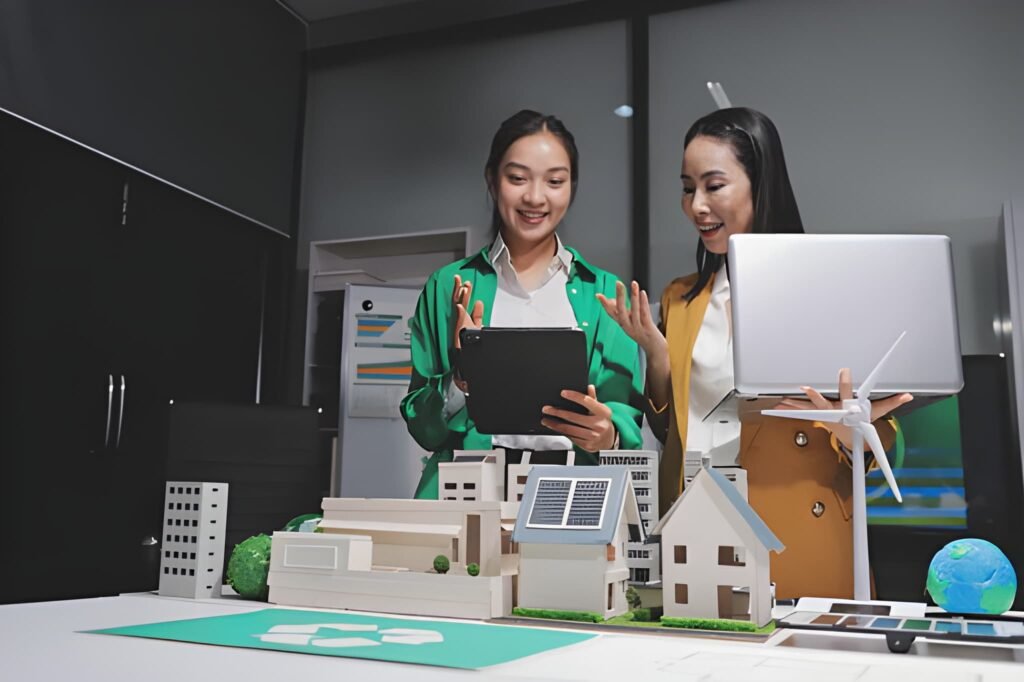
- Collaborative Design: The architect, builder, energy consultant, and landscape designer work together from day one to ensure all systems are synergistic.
- Modeling and Iteration: Using energy modeling software to test design options and predict performance before construction begins.
The Tangible Outcome: A Home That Performs
The result of this holistic approach is a home that offers profound benefits:
- Radical Energy Efficiency: Utility bills are slashed by 70-90%, and can be eliminated entirely with solar.
- Superior Resilience: A tight, well-insulated home maintains a comfortable temperature for days during a power outage. On-site water and energy provide independence.
- Unmatched Comfort: Even temperatures, no drafts, abundant natural light, and pristine air quality create a deeply comfortable and healthy living environment.
- Durability and Low Maintenance: The emphasis on quality materials and robust construction science results in a home that is built to last for generations with minimal repair.
Eco-friendly home design is the intelligent and ethical future of architecture. It is a rejection of the wasteful and inefficient practices of the past in favor of a methodology that is both ancient in its wisdom and cutting-edge in its technology. It proves that the highest form of luxury is not opulence, but well-being—a home that nurtures its inhabitants, respects its environment, and stands as a testament to the possibility of living in graceful harmony with the natural world.