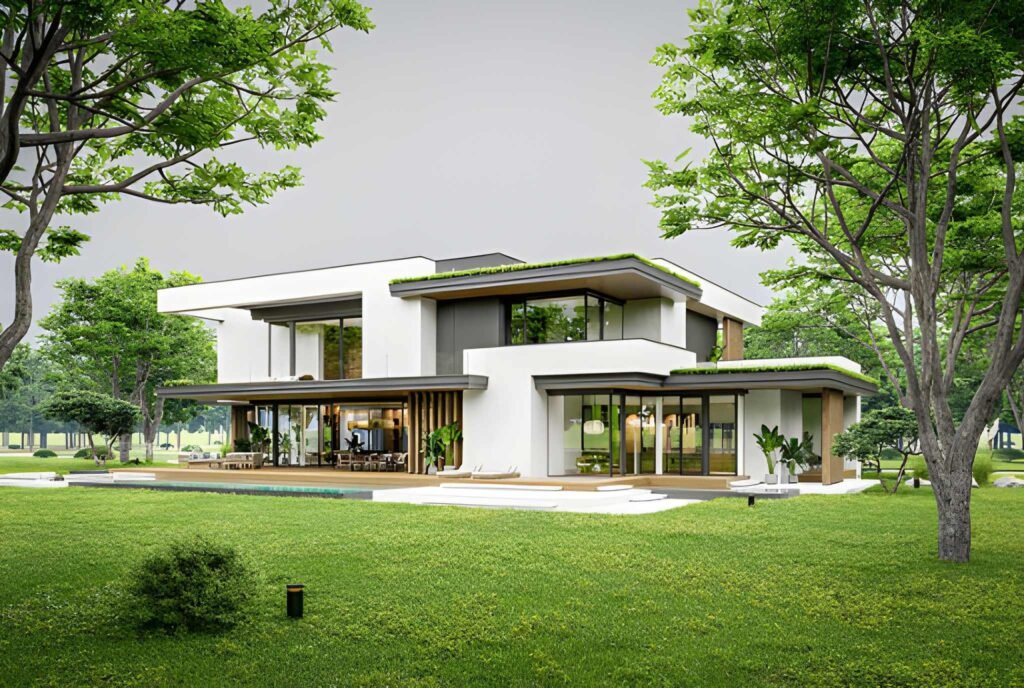
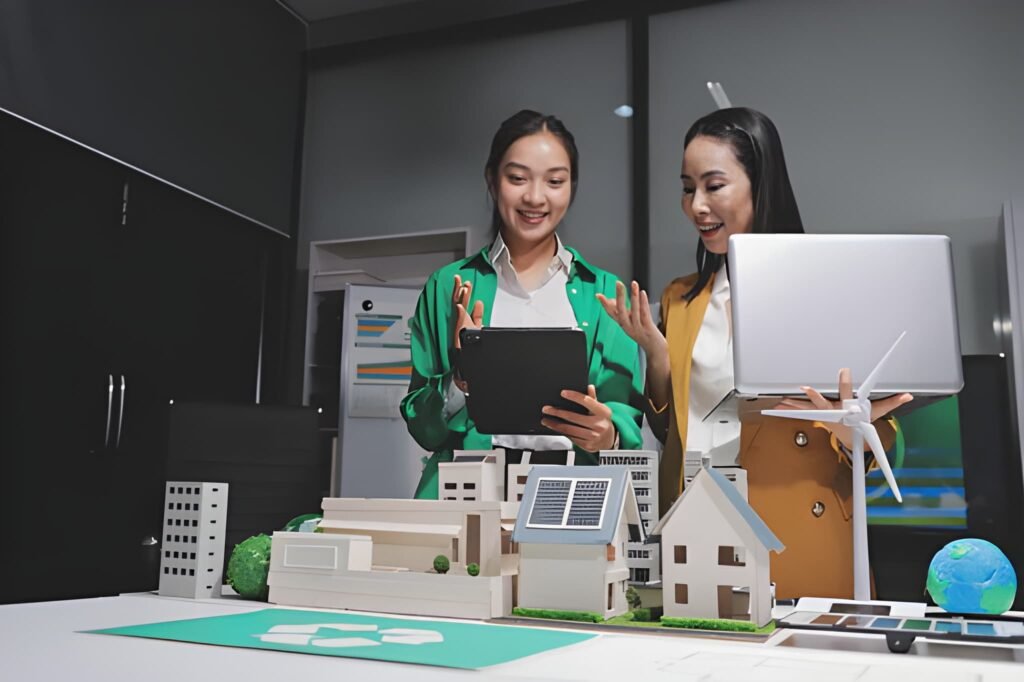
Eco home builders represent a specialized segment of the construction industry focused on creating residences that minimize environmental impact while maximizing energy efficiency, indoor air quality, and long-term sustainability. These builders combine traditional craftsmanship with cutting-edge technology and sustainable methodologies to create homes that are not only environmentally responsible but also healthier, more comfortable, and more cost-effective to maintain.
Philosophy and Approach
Core Principles of Eco Home Building:
Whole-Systems Thinking:
- Integrated design approach considering site, orientation, and ecosystem
- Coordination between architects, engineers, and trades from project inception
- Lifecycle assessment of all materials and systems
- Consideration of operational energy beyond just construction
Energy Optimization:
- Passive solar design principles
- Superior insulation and air sealing
- High-performance windows and doors
- Renewable energy integration
Resource Efficiency:
- Material selection based on embodied energy and durability
- Construction waste reduction strategies
- Water conservation and management systems
- Adaptive reuse and deconstruction when possible
Certification Standards and Frameworks
LEED for Homes (Leadership in Energy and Environmental Design):
- Rating Levels: Certified, Silver, Gold, Platinum
- Credit Categories: Location & Linkage, Sustainable Sites, Water Efficiency, Energy & Atmosphere, Materials & Resources, Indoor Environmental Quality, Innovation
- Typical Cost Premium: 2-5% for certification
Passive House (Passivhaus):
- Key Standards: Annual heating/cooling demand ≤ 15 kWh/m², Airtightness ≤ 0.6 ACH
- Focus: Ultra-low energy building standard
- Typical Cost Premium: 5-15% for certification
Net Zero Energy Ready:
- Designed to produce as much energy as they consume
- Solar-ready construction with efficient envelope
- Typical Cost Premium: 5-20% depending on systems
Living Building Challenge:
- Most Rigorous Standard: Net positive energy, water, and waste
- Petals: Place, Water, Energy, Health & Happiness, Materials, Equity, Beauty
- Typical Cost Premium: 15-25% for full certification
Key Building Methodologies
High-Performance Building Envelope:
Advanced Framing Techniques:
- Optimal Value Engineering (OVE) to reduce lumber use
- Advanced framing for improved insulation continuity
- Double-stud walls or exterior insulation systems
- Airtight drywall approach or fluid-applied barriers
Insulation Strategies:
- Spray Foam: High R-value and air sealing but higher embodied energy
- Cellulose: Recycled content, good moisture handling
- Mineral Wool: Fire resistant, excellent soundproofing
- Structural Insulated Panels (SIPs): Factory precision, reduced thermal bridging
Renewable Energy Integration:
Solar Technologies:
- Photovoltaic Systems: $15,000-$30,000 for typical residential installation
- Solar Thermal: $5,000-$10,000 for domestic hot water
- Building-Integrated PV: Roofing materials that generate electricity
Geothermal Systems:
- Ground-Source Heat Pumps: $20,000-$40,000 installation
- Benefits: Highly efficient heating/cooling, low operating costs
- Considerations: Significant upfront investment, site-dependent
Material Selection Philosophy
Sustainable Material Criteria:
Local & Natural Materials:
- Locally sourced to reduce transportation emissions
- Rapidly renewable materials (bamboo, cork, wool)
- Natural insulation (sheep’s wool, cellulose, wood fiber)
- Cost Impact: Variable, often competitive with conventional materials
Recycled & Reclaimed Materials:
- Recycled content in insulation, drywall, metal products
- Reclaimed wood flooring, beams, and architectural elements
- Cost Impact: Reclaimed materials often premium priced
Low-VOC & Non-Toxic Materials:
- Zero-VOC paints and finishes
- Formaldehyde-free cabinetry and millwork
- Natural flooring finishes (hard wax oils, water-based polyurethane)
Water Management Systems
Rainwater Harvesting:
- System Cost: $8,000-$15,000 for whole-house systems
- Components: Collection, filtration, storage, and distribution
- Uses: Irrigation, toilet flushing, laundry with proper treatment
Greywater Recycling:
- System Cost: $5,000-$12,000
- Uses: Landscape irrigation, toilet flushing
- Benefits: Reduces water consumption by 30-50%
Water-Efficient Fixtures:
- Low-flow showerheads and faucets
- Dual-flush or composting toilets
- WaterSense certified products throughout
Cost Structure and Financial Considerations
Construction Cost Premiums:
Entry-Level Green Building:
- Cost Premium: 2-5% above conventional construction
- Features: Basic energy efficiency, standard sustainable materials
- Payback Period: 3-7 years through utility savings
Mid-Range Sustainable Building:
- Cost Premium: 5-15% above conventional construction
- Features: Enhanced insulation, renewable energy readiness, better materials
- Payback Period: 7-12 years
High-Performance Green Building:
- Cost Premium: 15-25%+ above conventional construction
- Features: Net-zero capability, advanced systems, premium materials
- Payback Period: 12-20+ years
Financial Incentives:
- Federal Tax Credits: Solar investment tax credit, energy efficiency improvements
- State/Local Incentives: Rebates, tax exemptions, expedited permitting
- Utility Programs: Rebates for energy-efficient appliances and systems
- Green Mortgages: Better terms for energy-efficient homes
Builder Selection Process
Due Diligence Checklist:
Experience and Credentials:
- Years specializing in green building
- Relevant certifications (LEED AP, Passive House Consultant)
- Portfolio of completed sustainable projects
- Knowledge of local climate-specific strategies
Technical Capabilities:
- Experience with advanced building science principles
- Understanding of mechanical system integration
- Familiarity with sustainable material sourcing
- Ability to coordinate complex systems
Business Practices:
- Transparent costing and change order processes
- Waste management and recycling policies
- Commitment to ongoing education and improvement
- Strong relationships with green material suppliers
Regional Considerations
Climate-Responsive Design:
Cold Climates:
- Emphasis on insulation and airtightness
- Solar gain optimization
- Heat recovery ventilation systems
- Robust moisture management
Hot/Humid Climates:
- Enhanced ventilation strategies
- Moisture and mold prevention
- Solar shading and reflective surfaces
- Dehumidification systems
Temperate Climates:
- Balanced approach to heating and cooling
- Passive solar design with overheating prevention
- Natural ventilation optimization
- Rainwater management emphasis
Challenges and Solutions
Common Barriers:
Higher Initial Costs:
- Solution: Phased implementation, prioritize cost-effective measures
- Solution: Lifecycle cost analysis to justify investments
Limited Material Availability:
- Solution: Early material sourcing and ordering
- Solution: Flexible specifications with sustainable alternatives
Regulatory Hurdles:
- Solution: Early engagement with building officials
- Solution: Education about green building benefits
Technical Complexity:
- Solution: Integrated design process from project inception
- Solution: Specialized consultants for complex systems
Future Trends in Eco Building
Emerging Technologies:
- Embodied Carbon Tracking: Software for material carbon accounting
- Smart Home Integration: Energy management systems
- Circular Economy Principles: Design for disassembly and reuse
- Biophilic Design: Connection to nature for wellbeing
Material Innovations:
- Mass Timber: Carbon-sequestering structural systems
- Hempcrete: Carbon-negative insulation material
- Aerogel Insulation: Ultra-high performance with thin profiles
- Self-Healing Concrete: Reduced maintenance and longevity
Case Study: Typical Eco Home Project
Project Parameters:
- 2,500 square foot single-family home
- LEED Platinum target
- Mixed humid climate
- $200/square foot conventional construction baseline
Sustainable Features:
- Advanced framed walls with cellulose insulation (R-25)
- Triple-pane windows
- Air-source heat pump with heat recovery ventilator
- 8 kW solar PV system
- Rainwater harvesting for irrigation
- Locally sourced materials where possible
Cost Breakdown:
- Base Construction: $500,000
- Green Premium: $75,000 (15%)
- Incentives/rebates: -$25,000
- Net Additional Cost: $50,000
- Estimated Annual Energy Savings: $2,500
- Simple Payback Period: 20 years
Conclusion
Eco home builders represent the future of residential construction, balancing environmental responsibility with superior performance and comfort. While initial costs are typically higher, the long-term benefits—including reduced operating expenses, improved health outcomes, and increased resilience—make sustainable building a wise investment. The most successful eco home projects result from collaborative relationships between informed homeowners, experienced builders, and thoughtful designers, all working toward shared sustainability goals. As green building technologies mature and become more mainstream, the cost premiums continue to decrease, making sustainable homes increasingly accessible to a broader market.