The creation of a luxury home on 10 acres in Georgia represents a unique convergence of pastoral tranquility and sophisticated living. This is not merely building a large house on a substantial plot; it is the careful orchestration of an entire private ecosystem where the home exists in harmonious dialogue with its dramatic natural setting. The project demands a holistic vision that encompasses architecture, landscape, security, sustainability, and lifestyle—all while honoring both the traditional elegance of the Georgia landscape and the demands of modern luxury living.
The Land: Mastering the Canvas
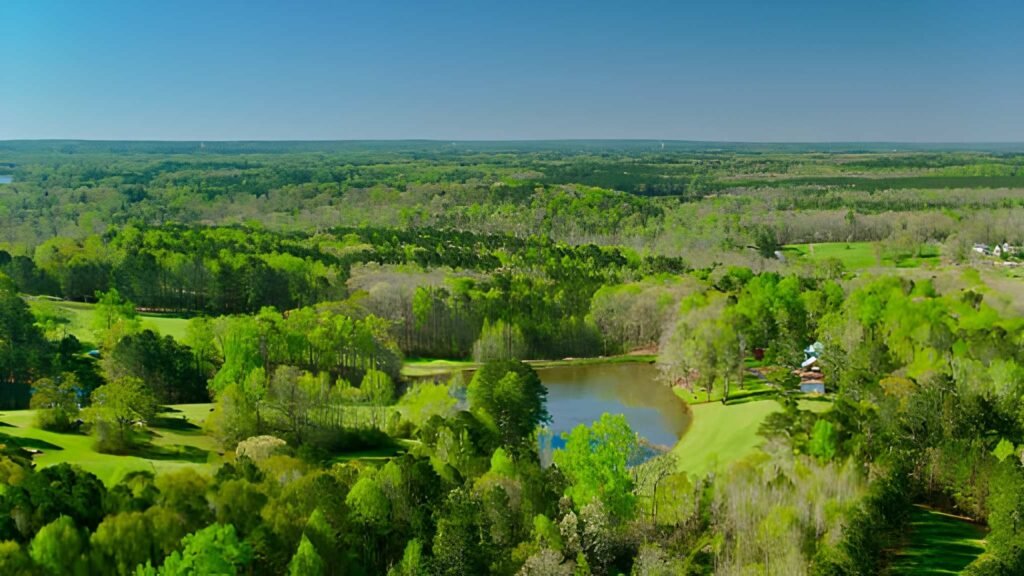
Ten acres in Georgia provides both extraordinary opportunity and complex responsibility. The property becomes a central character in the home’s narrative, not merely its setting.
Site Selection and Analysis
Even when purchasing a pre-selected parcel, a luxury builder must conduct exhaustive due diligence:
- Topography: Georgia’s varied landscape ranges from rolling pastures in the Piedmont region to dense woodland and dramatic elevation changes in the North Georgia mountains. The home’s placement should maximize views, solar orientation, and natural drainage patterns.
- Water Features: The presence of streams, ponds, or potential sites for a custom lake significantly enhances value. Georgia’s abundant rainfall makes water management and potential for features like a stocked fishing pond or ornamental water garden a key consideration.
- Soil Composition and Geology: Professional soil testing is essential, particularly for identifying potential shrink-swell clay soils common in Georgia that require specialized foundation engineering.
- Tree Canopy and Mature Vegetation: Strategic preservation of mature hardwoods—oaks, maples, hickories, and Georgia pines—provides immediate grandeur and shade. A certified arborist should assess tree health before finalizing the home’s footprint.
- Access and Approach: The journey from the main road to the front door should be an experience. A gated entrance and a meandering, beautifully landscaped driveway of 500 to 1,500 feet build anticipation and ensure privacy.
Zoning and Land Use Mastery
Georgia’s county-level zoning requires sophisticated navigation:
- Agricultural vs. Residential Zoning: Understanding tax advantages of conservation easements or agricultural exemptions for portions of the land.
- Setback Requirements and Buildable Area: Ensuring the desired home size and ancillary structures (guest house, pool house, barn) are permissible.
- Water and Septic: With 10 acres, a sophisticated well and septic system (likely an advanced, multi-chamber system) will be required. The cost for high-capacity, luxury-grade systems can reach $80,000 – $150,000.
- Environmental Considerations: Protection of wetlands, adherence to watershed regulations, and understanding any protected species habitats.
The Architectural Vision: Contextual Elegance
The architecture must feel both born from the Georgia landscape and elevated to a global standard of luxury.
Defining a Style Rooted in Place
While personal taste dictates, certain styles resonate powerfully with the Georgian context:
- Refined Southern Estate: A modern interpretation of the classic plantation home, with grand columns, deep wraparound porches (“dog trots”), high ceilings, and a symmetrical facade. It speaks to history and grace, designed for outdoor living and gracious entertaining.
- Mountain Lodge Grandeur: For North Georgia sites, a style utilizing massive timber frames, extensive stonework (using local fieldstone or Tennessee ledge stone), and vast windows to frame mountain vistas.
- Contemporary Farmhouse: A cleaner, more minimalist take on rural forms, with metal roofs, board-and-batten siding, and large black-framed windows that create a striking contrast against the green landscape.
- European Country Manor: Evoking the feel of a French château or Italian villa, with limestone or stucco exteriors, clay tile roofs, and formal gardens.
Interior Philosophy: A Connection to the Land
The home’s interior should erase the boundary between inside and out.
- The Great Room Concept: A central, voluminous living space with ceilings reaching 20 feet or more, anchored by a massive stone fireplace and featuring floor-to-ceiling windows or multi-panel folding glass doors that open onto verandas or patios.
- The Chef’s Kitchen and Scullery: A main kitchen designed for both daily family life and large-scale entertaining, finished with custom cabinetry, professional-grade appliances (e.g., La Cornue, Sub-Zero), and exotic stone countertops. A separate, fully-equipped scullery or catering kitchen hidden from view is essential for serious entertaining.
- The Primary Suite Sanctuary: A true retreat, often on the main level, featuring a sleeping area with private outdoor access, a spacious sitting area, his-and-hers walk-in closets with custom built-ins, and a spa-like bathroom with a freestanding tub, oversized steam shower, and heated floors.
- Purpose-Built Spaces: A climate-controlled wine cellar/tasting room, a library with floor-to-ceiling wood shelving, a home cinema with tiered seating, and a wellness area with a sauna and massage room.
The Estate Ecosystem: Beyond the Main Residence
On 10 acres, the supporting structures are nearly as important as the home itself, creating a self-contained private world.
The Outdoor Living Complex
- Summer Kitchen and Entertaining Pavilion: A fully-equipped outdoor kitchen with built-in grill, pizza oven, refrigeration, and stone countertops, covered by a timber or cedar-shake roof structure with a fireplace and ceiling fans for year-round use.
- Resort-Style Pool and Spa: A geometric or free-form pool with an automated safety cover, accompanied by a spillover spa, tanning ledge, and sophisticated LED lighting. The area includes a pool house with a changing room, bath, and storage.
- Terraces, Fire Pits, and Gathering Areas: Multiple, strategically placed outdoor “rooms” for different times of day and types of gatherings, using materials like Pennsylvania bluestone, Ipe wood decking, and local stone.
Recreational and Functional Amenities
- Equestrian Facilities: For the right client, a stable (2-4 stalls), a tack room, a riding arena, and several acres of cross-fenced pasture can be a pinnacle luxury.
- Sport Court and Lawn Games: A dedicated area for a pickleball/sport court, a putting green, or bocce ball courts.
- Conservatory or Orangerie: A glass-enclosed garden room for growing citrus or orchids year-round.
- Detached Guest House or Caretaker’s Cottage: A 1-2 bedroom, fully self-contained unit for guests, in-laws, or staff.
Construction and Craftsmanship: The Unseen Excellence
The quality of a luxury estate is defined by what lies beneath the surface and within the walls.
Structural and Mechanical Integrity
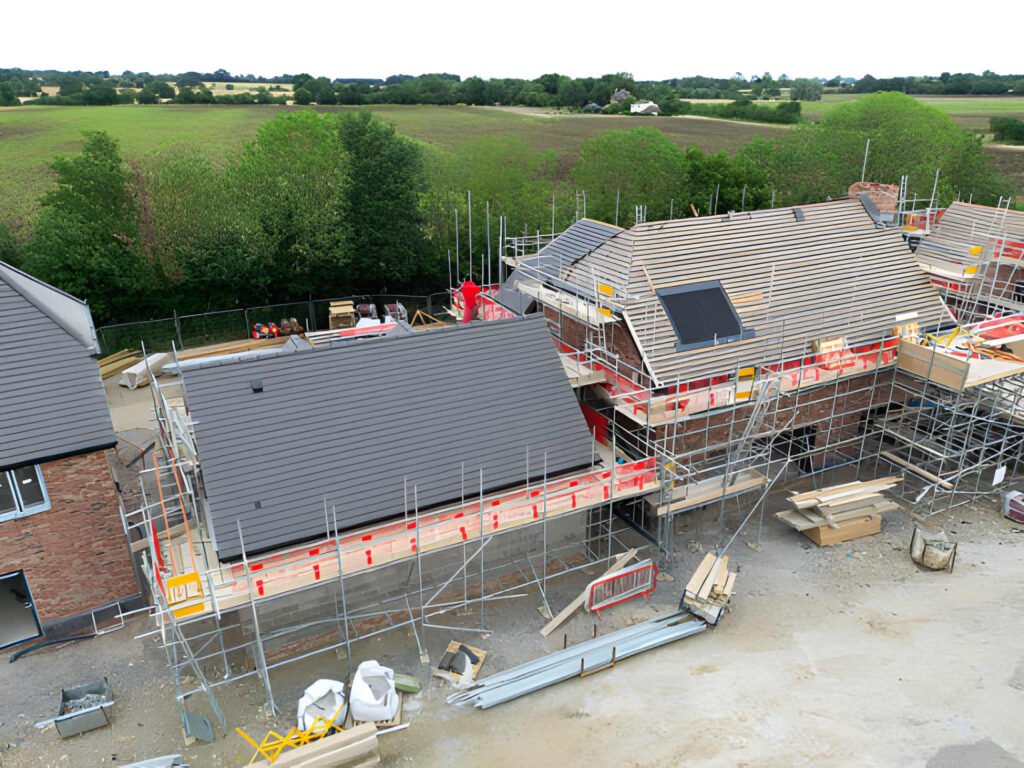
- Foundation and Framing: Engineered foundations to handle Georgia soil, with advanced framing techniques and potentially steel reinforcement for large open spans.
- Mechanical Systems: A multi-zone HVAC system with humidity control for Georgia’s humid summers, a whole-home generator, and potentially geothermal heating and cooling for efficiency and quiet operation.
- Integrated Technology: A centralized control system (e.g., Control4, Savant) for lighting, audio, video, security, and climate. The infrastructure must be meticulously planned during the rough-in phase.
Material Selection: Authenticity and Durability
- Exterior Cladding: A mix of natural materials—stone veneer, real cedar shingles or shakes, and perhaps stucco or hardie-plank siding—chosen for their aging characteristics and authenticity.
- Roofing: Standing-seam metal (copper or galvalume), slate, or premium architectural shingles that offer longevity and aesthetic appeal.
- Interior Finishes: Wide-plank white oak or walnut flooring, custom millwork throughout, solid core doors, and architectural metalwork for stair rails and hardware.
Budget Framework for a Georgia Luxury Estate
Building a custom luxury home on 10 acres in Georgia involves significant investment, with costs varying by finish level and complexity of site work.
| Budget Category | Investment Range | Key Considerations |
|---|---|---|
| Land Acquisition | $500,000 – $2,000,000+ | Location (metro-Atlanta vs. North Georgia mountains), existing improvements, views, water features. |
| Site Development | $300,000 – $800,000 | Long driveway, utility runs (power, internet), well/septic, extensive grading, landscaping rough-in. |
| Main Residence (6,000-10,000 SF) | $3,000,000 – $7,000,000+ | $450 – $700+ per square foot for high-end finishes, complex architecture, and superior systems. |
| Ancillary Structures | $500,000 – $1,500,000+ | Pool complex, guest house, barn, outdoor kitchens, substantial landscaping. |
| Professional Services | $200,000 – $400,000 | Architect, interior designer, landscape architect, civil engineer. |
| Contingency (10-15%) | $400,000 – $1,000,000+ | Essential for unforeseen site conditions and client-driven changes. |
Total Project Investment: $4,900,000 – $12,700,000+
Creating a luxury home on 10 acres in Georgia is the ultimate exercise in place-making. It requires a builder who is part artist, part engineer, part naturalist, and part diplomat. The successful execution results not just in a house, but in a legacy property—a private world that offers refuge, connection to nature, and a platform for a gracious lifestyle. It is a testament to the belief that the highest form of luxury is not opulence alone, but the perfect, seamless integration of exquisite human craft with the majestic beauty of the natural world. For the right client and the right builder, it is the pinnacle of the residential art form.