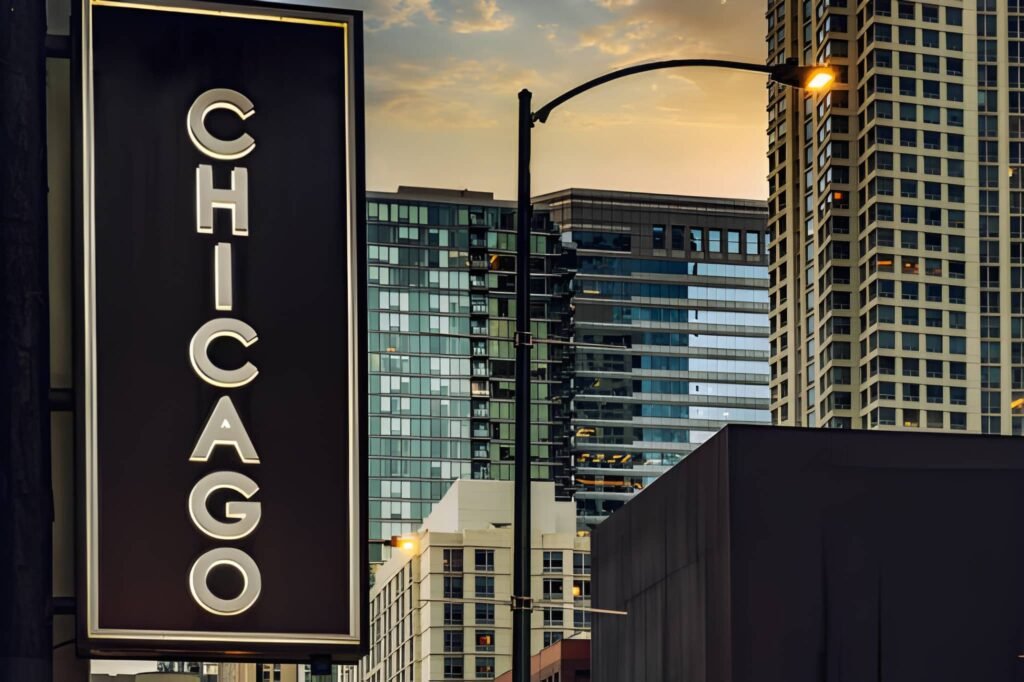

Queens is not a mere extension of Manhattan or a quieter alternative to Brooklyn. It is the most diverse locality on the planet, a sprawling, unpretentious, and fiercely authentic urban tapestry where over 190 languages are spoken. Living in Queens means experiencing global culture in its most immediate form—from a steaming bowl of Tibetan thenthuk in Jackson Heights to a Colombian dance hall in Elmhurst. It is a borough of contrasts: bustling commercial strips and quiet, tree-lined streets of single-family homes, international airports and serene waterfront parks. This guide moves beyond the familiar narratives of New York City to explore the intricate, affordable, and richly rewarding realities of life in the world’s borough.
The Queens Vibe: Life in a Global Village
Life in Queens is grounded, authentic, and centered around community and family. The pace is purposeful but lacks the performative intensity of Manhattan or the curated trendiness of Brooklyn. The energy is one of assimilation and preservation; immigrant communities build new lives here while fiercely maintaining the traditions of their homelands. This creates a cultural richness that is not a spectacle for tourists but the fabric of daily life. Your experience is hyper-local, defined by your specific neighborhood’s ethnic and cultural character. The vibe is unpretentious and practical—success is measured by providing a better life for your family, not by securing a table at the latest hotspot. It is a place where you can be anonymous yet feel a profound sense of belonging to a particular block, a specific community board, or a shared cultural identity.
The Value Proposition: Cost of Living
Queens offers the most compelling value proposition in New York City. It delivers genuine urban living, unparalleled diversity, and excellent transit access at a cost significantly lower than that of Manhattan and parts of Brooklyn.
A detailed budget for a single professional living in a one-bedroom apartment in a well-connected neighborhood like Astoria or Sunnyside might look like this:
- Rent: $2,200 (for a 600-700 sq ft apartment)
- Utilities (Electricity, Gas, Internet): $180
- Groceries: $400 (can be lower with access to ethnic markets)
- Dining & Entertainment: $500 (incredible, affordable options abound)
- Transportation (Unlimited MetroCard): $132
- Miscellaneous: $300
This creates a baseline monthly expenditure of approximately $3,712. To afford this comfortably (using the standard guideline that rent should not exceed 30% of gross income), your pre-tax annual income would need to be at least $88,000.
This calculation is shown as:
\text{Required Annual Income} = \frac{\$2,200 \times 12}{0.3} = \$88,000This accessibility is a primary driver for newcomers, families, and anyone seeking a sustainable life in NYC.
A World of Neighborhoods: Best Places to Live
Queens is a collection of distinct towns, each with its own downtown and cultural heart.
- Northwest Queens (Excellent Transit Access):
- Astoria: A blend of old-world Greek tavernas and new-wave cocktail bars. Highly walkable, with fantastic parks (Astoria Park), a thriving dining scene, and easy access to Manhattan via the N/W trains. A perennial favorite for young professionals.
- Long Island City (LIC): A forest of glassy high-rises built over the past decade. Offers stunning Manhattan views and some of the shortest subway commutes to Midtown (7, N/W, E/M, G trains). Rapidly evolving into a major urban center with cultural institutions like MoMA PS1.
- Sunnyside & Woodside: Family-friendly, affordable neighborhoods with a mix of Irish, Filipino, and South American influences. Quiet, residential streets with a strong sense of community, served by the 7 train.
- North Queens (Suburban Feel):
- Flushing: The epicenter of New York’s Asian community. A vibrant, bustling, hyper-urban center centered around Main Street with arguably the best and most diverse Chinese food outside of Asia. Served by the 7 train and LIRR.
- Bayside & Douglaston: Affluent, suburban-like enclaves with excellent public schools, single-family homes, and a serene atmosphere. A long commute to Manhattan via the LIRR.
- Central & South Queens:
- Jackson Heights: A stunningly diverse neighborhood known for its historic garden apartments, large South Asian and Latin American communities, and a food scene that spans the globe. A transportation hub served by the E/F/M/R/7 trains.
- Forest Hills: An affluent, beautiful neighborhood known for its Tudor-style architecture, excellent schools, and upscale shopping on Austin Street. A blend of urban and suburban living, served by the E/F/M/R trains and LIRR.
- Jamaica: A major transportation and commercial hub (AirTrain to JFK, LIRR, E/J/Z trains) undergoing significant redevelopment. Home to York College and a large African American and Caribbean community.
The Smart Investment: Renting vs. Buying
The decision to rent or buy in Queens is one of the most rational in the NYC metro area, offering a realistic path to homeownership.
Renting offers flexibility to explore different neighborhoods and is a lower-commitment option. The rental market is competitive but offers better value and more space than other boroughs.
Buying is a strong long-term financial move. While prices have risen, the barrier to entry is lower than in Manhattan or Brooklyn. A 20% down payment on a median-priced Queens home is a daunting but achievable goal for many dual-income households. Co-ops dominate the market, especially in more established neighborhoods, and have strict financial and interview requirements.
The financial break-even point is typically 5-7 years. A simplified formula illustrates the calculation:
\text{Break-Even Point (years)} = \frac{\text{Total Upfront Costs}}{\text{Annual Rent} - (\text{Annual Mortgage Interest} + \text{Annual Property Taxes} + \text{Maintenance} + \text{Common Charges})}Upfront costs include down payment and closing costs. For co-ops, monthly maintenance fees are a significant and must be factored in.
The Diverse Economy: Job Market and Career Opportunities
Queens’ economy is a massive, often overlooked engine of the city, deeply tied to its diversity and infrastructure.
- Aviation & Transportation: John F. Kennedy and LaGuardia Airports are two of the largest employers in the borough, encompassing everything from airline operations to retail and security.
- Healthcare: Major systems like NewYork-Presbyterian Queens, Mount Sinai Queens, and NYC Health + Hospitals/Elmhurst provide a vast number of stable, high-skill jobs.
- Small Business & Trade: The borough is a hotbed of immigrant entrepreneurship, with thousands of small businesses, import/export firms, and restaurants driving the local economy.
- Education: A large network of public schools, private institutions, and CUNY colleges (LaGuardia Community College, Queens College) is a major employer.
- Tourism & Hospitality: While centered on the airports, tourism is growing around destinations like Flushing Meadows Corona Park, the U.S. Open, and Citi Field.
Educational Landscape: Best Schools and Universities
Queens boasts some of the best public schools in New York City, particularly in its more affluent neighborhoods like Bayside and Forest Hills. The specialized high school admission process is highly competitive, but the borough is home to several top-tier schools.
For higher education, Queens is a major center:
- St. John’s University: A large private Catholic university in Jamaica with strong law and business programs.
- Queens College (CUNY): A highly regarded senior college in the CUNY system known for its education, arts, and sciences programs.
- York College (CUNY) & LaGuardia Community College (CUNY): Vital institutions providing access to higher education and workforce training.
Getting Around: Public Transportation and Commuting
Queens is exceptionally well-served by public transportation. A vast network of subway lines (7, E, F, M, R, N, W, A, J, Z) and the Long Island Rail Road (LIRR) provides comprehensive access to Manhattan and Brooklyn. The MTA bus system fills in the gaps. The AirTrain connects JFK Airport to the subway and LIRR. For many residents, a car is unnecessary for a daily commute, though it is common for families for weekend trips and shopping.
The Housing Market: A Tactical Overview
The Queens housing market is stable and competitive, characterized by a mix of single-family homes, Tudor-style co-ops, and new condo developments.
- Average Home Prices: As of late 2023, the median sale price for a home in Queens is approximately $680,000. This figure includes co-ops, condos, and single-family homes.
- Most Affordable Areas to Buy a Home: Look to Eastern and Southeastern Queens: Jamaica (certain parts), Springfield Gardens, Rosedale. These areas offer more space for the money but come with longer commutes.
- Luxury Real Estate Hotspots: Long Island City waterfront condos with Manhattan views, Forest Hills Gardens (a private, planned community), and large single-family homes in Douglaston and Bayside.
- Rental Market: Competitive in neighborhoods with short commutes (Astoria, LIC, Sunnyside). More affordable and plentiful in deeper Queens. Landlords typically require proof of income at 40x the monthly rent.
- Best Places to Invest & Future Growth Neighborhoods: Investment follows transit and redevelopment. Jamaica (around the AirTrain/LIRR hub), Sunnyside (near the new Innovation QNS development), and Ridgewood (on the Queens/Brooklyn border) are seen as having strong potential.
The Cultural Repertoire: Things to Do
| Activity Category | Iconic Examples | Hidden Gems |
|---|---|---|
| Cultural Attractions | MoMA PS1, Noguchi Museum, Queens Museum | Louis Armstrong House Museum, Museum of the Moving Image, King Manor Museum |
| Parks & Outdoors | Flushing Meadows Corona Park, Gantry Plaza State Park, Forest Park | Alley Pond Park Adventure Course, Rockaway Beach Boardwalk, Socrates Sculpture Park |
| Food & Drink | Tibetan in Jackson Heights, Chinese in Flushing, Greek in Astoria | Arepa Lady in Jackson Heights, SriPraPhai Thai in Woodside, Uruguayan in Elmhurst |
| Nightlife | Bohemian Hall & Beer Garden (Astoria), music halls in Flushing, low-key bars in Sunnyside | Terraza 7 (live music in Jackson Heights), The Ditty (Astoria), The Rockaway Hotel |
Annual Festivals and Events: US Open Tennis Tournament, Queens Night Market (a global food fair), and numerous cultural parades celebrating the diversity of its communities.
Shopping: From the massive Asian malls in Flushing to the boutiques of Forest Hills and the discount stores along Jamaica Avenue.
Quality of Life & Relocation Essentials
- Raising a Family: Queens is arguably the best borough in NYC for families. It offers more space, better schools, parks, and a quieter, more community-oriented atmosphere than Manhattan or Brooklyn.
- Crime and Safety: Generally, Queens has lower crime rates than the citywide average. Property crime is the most common issue. As always, safety can vary by neighborhood, but overall, it is considered a safe borough.
- Healthcare and Hospitals: Excellent healthcare is available through NewYork-Presbyterian Queens, Mount Sinai Queens, and NYC Health + Hospitals/Elmhurst.
- Weather and Climate: Experiences four distinct seasons. Summers are hot and humid. Winters are cold and can bring significant snow. Spring and fall are generally pleasant.
- Cost of Utilities: For a 700 sq ft apartment, average monthly costs are:
- Electricity (ConEdison): $80 – $120
- Gas (National Grid): $100 – $180 (high in winter)
- Water/Sewer: Often included in rent
- Internet: $70 – $100
The Relocation Checklist
- Secure Employment: Have a job lined up. Your salary will dictate your housing options.
- Choose Your Neighborhood Based on Commute: The 7 train is known for delays; the E/F express is highly reliable. Test the commute.
- Assemble Your Documents: Have proof of income (pay stubs, offer letter), photo ID, and references ready for the rental application process.
- Understand Co-op Boards: If buying, be prepared for the intense co-op board application process, which includes financial scrutiny and often an in-person interview.
- Embrace the Diversity: Be adventurous with food, attend cultural festivals, and engage with your neighbors. This is Queens’ greatest asset.
The Final Verdict: Pros and Cons of Living in Queens
Pros:
- The most culturally diverse place on Earth, offering an unparalleled global experience.
- More affordable than Manhattan and Brooklyn, with better housing value and more space.
- Generally excellent public schools and a family-friendly environment.
- Fantastic public transportation access to the rest of NYC.
- An authentic, unpretentious, and community-focused vibe.
Cons:
- Can feel disconnected from the “energy” of Manhattan and parts of Brooklyn.
- Some neighborhoods have long commutes to central business districts.
- The co-op board process for buying can be opaque and difficult.
- While improving, some areas lack the density of amenities found in other boroughs.
- The sheer size and diversity can be overwhelming to navigate for newcomers.
Living in Queens is a choice to prioritize authenticity, value, and quality of life over trendiness and proximity to Manhattan’s core. It is the most livable borough for those seeking a sustainable, family-oriented, and genuinely global urban experience. For those willing to explore, it offers the world at your doorstep, without the crushing financial pressure of the other side of the East River.