
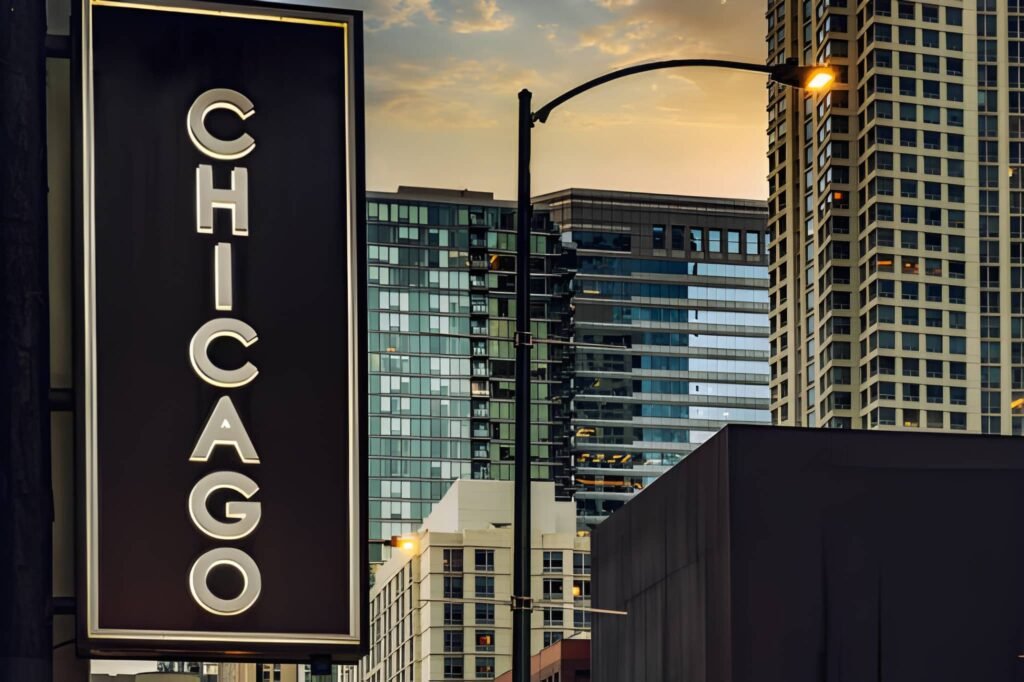
Chicago stands as a titan of American urbanism, a city of profound architectural beauty, gritty industrial history, and a cultural vibrancy that pulses from its lakefront to its diverse neighborhoods. Living in Chicago means engaging with a city of stark contrasts and deep satisfactions. It offers the world-class amenities of New York or Los Angeles without the astronomical price tag, all while maintaining a grounded, friendly Midwestern sensibility. This guide dissects every facet of life in the Windy City, from the financial realities of homeownership to the best spots for a deep-dish pizza, providing you with the foundational knowledge to navigate your Chicago journey.
The Chicagoan Lifestyle: City of Neighborhoods
The first thing to understand about Chicago is its identity as a “city of neighborhoods.” Unlike the coastal megalopolises, Chicago’s core is surrounded by a patchwork of distinct, fiercely proud communities, each with its own main street, cultural identity, and history. Your life in Rogers Park will be entirely different from your life in Bridgeport. This structure fosters a strong sense of community and belonging. The pace is brisk but not breakneck; Chicagoans are hardworking but know how to enjoy life, whether it’s a summer afternoon in one of the city’s 600 parks or a long dinner at a neighborhood gastropub. The city possesses a raw, authentic energy—a blend of Midwestern pragmatism and world-class ambition. The lakefront is its crown jewel, a massive public space that offers beaches, trails, and stunning skyline views, completely free for all to enjoy.
The Cost of Capital: Living Affordably in a World-Class City
Chicago offers a remarkable value proposition. It delivers a top-tier urban experience at a cost of living significantly lower than that of coastal hubs. For a professional or couple, the math is compelling.
A detailed budget for a single professional living in a one-bedroom apartment in a popular North Side neighborhood like Lakeview or Lincoln Park might look like this:
- Rent: $1,800 (for a 700-800 sq ft apartment)
- Utilities (Electricity, Gas, Internet): $150 (high in winter with heating)
- Groceries: $400
- Dining & Entertainment: $500
- Transportation (Unlimited CTA Pass): $75
- Miscellaneous: $300
This creates a baseline monthly expenditure of approximately $3,225. To afford this comfortably (using the standard guideline that rent should not exceed 30% of gross income), your pre-tax annual income would need to be at least $72,000.
This calculation is shown as:
\text{Required Annual Income} = \frac{\$1,800 \times 12}{0.3} = \$72,000This is a realistic salary for many young professionals and underscores Chicago’s accessibility.
Finding Your Village: Best Neighborhoods
Your choice of neighborhood will define your Chicago experience. They are often divided by the Chicago River: the North Side, the South Side, and the West Side.
- North Side (Popular for professionals & families):
- Lincoln Park: Upscale, leafy, and family-friendly. Home to the zoo, DePaul University, and beautiful brownstones. Higher cost of living.
- Lakeview: A massive area encompassing Wrigleyville (sports bars), Boystown (LGBTQ+ hub), and a more relaxed residential core. Great for nightlife and young professionals.
- Wicker Park/Bucktown: The epicenter of hipster cool in the 2000s, now matured into a destination for boutique shopping, acclaimed restaurants, and a vibrant music scene.
- Ravenswood/Lincoln Square: A quieter, family-oriented area with a strong German heritage, charming squares, and a thriving craft brewery scene. Often called “Naperville North” for its suburban feel within the city.
- Downtown/The Loop: The central business district. Mostly high-rises, corporate offices, and cultural institutions. Quiet at night but transforming with more residential towers.
- South Side (Rich in history and culture):
- Hyde Park: Home to the University of Chicago and the Museum of Science and Industry. An intellectual oasis with a unique, village-like feel, beautiful architecture, and a strong sense of community.
- Pilsen: A vibrant, historically Czech and now predominantly Mexican-American neighborhood. A center for murals, authentic taquerias, and artist studios. An area of rapid gentrification.
- Bridgeport: A historic, working-class Irish neighborhood that is now a diverse mix and home to many city workers and artists. Politically powerful and home to the Guaranteed Rate Field (White Sox).
The Weighty Decision: Renting vs. Buying
The decision to rent or buy in Chicago is less fraught than in other major cities, making homeownership a realistic goal for many.
Renting provides flexibility to explore different neighborhoods without a long-term commitment. The rental market is robust, with plenty of options in vintage three-flat buildings and modern high-rises.
Buying is a strong long-term financial move. Property taxes are high in Illinois, but the relatively lower purchase prices make building equity achievable. A 20% down payment on a median-priced Chicago condo is a significant but not impossible sum for a dual-income household.
The financial break-even point is typically around 5 years. You can calculate the approximate time it takes for buying to become financially advantageous over renting using a simplified formula:
\text{Break-Even Point (years)} = \frac{\text{Total Upfront Costs}}{\text{Annual Rent} - (\text{Annual Mortgage Interest} + \text{Annual Property Taxes} + \text{Annual Maintenance} + \text{Annual Insurance})}Upfront costs include down payment, closing costs (which are notably high in Chicago, often 2-3% for the buyer), and initial renovation expenses.
A Diversified Economy: Job Market and Career Opportunities
Chicago’s economy is remarkably diversified, insulating it from sector-specific downturns.
- Finance & Professional Services: The city is a global financial hub, home to the Chicago Fed, the Chicago Board Options Exchange (CBOE), and the futures and derivatives trading of the CME Group. It’s also a major center for consulting, accounting, and law.
- Manufacturing & Transportation: Its historic roots remain strong. Chicago is the nation’s largest rail hub and a critical node for trucking and air freight (O’Hare Airport).
- Technology: A fast-growing “Silicon Prairie” has emerged, with companies like Google, Motorola Solutions, and thousands of startups building a presence in the West Loop and Fulton Market districts.
- Healthcare & Education: Major institutions like Northwestern Medicine, Rush University Medical Center, and the University of Chicago form a massive employment base.
- CPG (Consumer Packaged Goods): The metro area is a headquarters for giants like McDonald’s, Kraft Heinz, and Mondelez.
Educational Excellence: Best Schools and Universities
Chicago Public Schools (CPS) is the third-largest district in the U.S. Quality varies widely, leading to intense competition for spots in top Selective Enrollment high schools. This has also fostered a strong market for private and parochial schools.
For higher education, Chicago is an elite destination:
- Northwestern University: A top-ranked private university located in Evanston, just north of the city.
- University of Chicago: A world-renowned private research university in Hyde Park, known for its rigorous academics and Nobel laureates.
- University of Illinois at Chicago (UIC): A major public research university and the city’s largest.
- DePaul University, Loyola University Chicago, and the Illinois Institute of Technology (IIT) round out a robust network of institutions.
Getting Around: Public Transportation and Commuting
Chicago’s public transit system, the CTA, is one of the best in the nation. The iconic ‘L’ trains run 24 hours on some lines and provide comprehensive access to the downtown core and many neighborhoods. The bus system fills in the gaps. For most city dwellers, a car is unnecessary and often a liability due to parking costs and tickets. The average commute is manageable, and many residents walk or bike, especially in the warmer months thanks to the Divvy bike-share program.
The Housing Market: A Tactical Overview
The Chicago housing market is nuanced, with stability and opportunity for those who understand its dynamics.
- Average Home Prices: As of late 2023, the median sale price for a home in Chicago is approximately $350,000. This figure includes everything from condos to single-family homes and varies dramatically by area.
- Most Affordable Areas to Buy a Home: Look to up-and-coming neighborhoods on the South and West Sides. Areas like Avondale, Irving Park, Rogers Park, and McKinley Park offer relatively affordable single-family homes and condos with good transit access.
- Luxury Real Estate Hotspots: The Gold Coast is the historic epicenter of luxury, with magnificent mansions and high-rises. Streeterville and the West Loop are home to new, ultra-amenitized condominium towers. Lincoln Park and Old Town also command premium prices.
- Rental Market: The market is competitive but fair. You can find a decent studio for under $1,500 in many areas and a one-bedroom for $1,800-$2,200 in more popular neighborhoods. Landlords typically require an income of 3x the monthly rent.
- Best Places to Invest & Future Growth Neighborhoods: Investment looks toward neighborhoods next to already-hot areas. Pilsen, Logan Square (west of Western Ave), South Shore, and parts of Austin are seen as having strong potential for appreciation as development pressure pushes outward.
The Cultural Repertoire: Things to Do
| Activity Category | Iconic Examples | Hidden Gems |
|---|---|---|
| Cultural Attractions | The Art Institute of Chicago, Field Museum, Shedd Aquarium | National Museum of Mexican Art, Museum of Contemporary Art, Chicago Architecture Center |
| Parks & Outdoors | Millennium Park (“The Bean”), Grant Park, Lincoln Park | The 606 Trail, Promontory Point, Garfield Park Conservatory |
| Food & Drink | Deep Dish (Lou Malnati’s, Pequod’s), Chicago-style Hot Dog, Italian Beef | Au Cheval (burgers), Alinea (molecular gastronomy), myriad Michelin-starred eateries |
| Nightlife | Blues Clubs on Halsted, Comedy Clubs like Second City, Rooftop Bars in River North | Live music in Empty Bottle, jazz in Green Mill Cocktail Lounge, dive bars in Logan Square |
Annual Festivals and Events: The city thrives on its summer calendar: Taste of Chicago, Lollapalooza, the Air and Water Show, and neighborhood street fests nearly every weekend. The St. Patrick’s Day Parade (and river dyeing) is a legendary winter event.
Shopping: From the luxury of the Magnificent Mile (North Michigan Ave) to the trendy boutiques of Wicker Park and the discount haven of Outlet Mall in Rosemont, shopping is a major activity.
Quality of Life & Relocation Essentials
- Raising a Family: Chicago is a fantastic city for families. The park district offers incredible programming, the zoo and museums are world-class, and many neighborhoods have a village-like feel with excellent local schools (both public and private).
- Crime and Safety: This is Chicago’s most challenging and often misrepresented issue. Crime is highly concentrated in specific, economically disadvantaged areas on the South and West Sides that are typically not where newcomers live or visit. However, property crime (car break-ins, package theft) is common in all areas. Vigilance and situational awareness are key.
- Healthcare and Hospitals: Chicago is a world-leading healthcare hub, home to Northwestern Memorial Hospital, Rush University Medical Center, and the University of Chicago Medical Center. Access to top-tier care is excellent.
- Weather and Climate: Chicago experiences four full seasons. Summers are glorious—warm, sunny, and humid, perfect for lakefront activities. Falls are crisp and beautiful. Winters are long, cold, gray, and windy, with average temperatures in the 20s and significant snow. Springs are slow to arrive and often wet.
- Cost of Utilities: For a 1,000 sq ft apartment, average monthly costs are:
- Electricity (ComEd): $80 – $120
- Gas (People’s Gas): $100 – $180 (very high in winter for heat)
- Water/Sewer: Often included in rent; if not, ~$40-$60
- Internet: $70 – $100
The Relocation Checklist
- Time Your Move: Avoid moving in the depths of winter if possible. The summer and fall are ideal.
- Choose Your Neighborhood Strategically: Consider your commute, lifestyle (quiet vs. lively), and budget. Visit at different times of day.
- Assemble Your Documents: Have proof of income (pay stubs, offer letter), photo ID, and references ready for the rental application process.
- Understand Lease Terms: Chicago has strong tenant protections. Know your rights regarding security deposits and landlord responsibilities.
- Prepare for Winter: Invest in a serious coat, waterproof boots, gloves, and a hat. Your California puffer jacket will not suffice.
The Final Verdict: Pros and Cons of Living in Chicago
Pros:
- World-class culture, dining, and amenities at a relatively affordable price.
- A diverse, robust economy with opportunities across multiple sectors.
- A stunning, accessible lakefront and an incredible park system.
- A manageable scale with distinct, community-oriented neighborhoods.
- The best public transportation system in the Midwest.
Cons:
- Harsh, long winters that can be physically and mentally challenging.
- A significant city and state tax burden (high property, sales, and income taxes).
- Crime and socioeconomic segregation are serious, persistent issues.
- Infrastructure (roads, CTA) can be aging and underfunded.
- Government corruption and fiscal problems can feel inescapable.
Living in Chicago is a choice to embrace a real, unvarnished, and deeply rewarding American city. It doesn’t dazzle with superficial glamour; it impresses with its substantial architecture, its rich culture, and the resilience of its people. For those who can bundle up for its winters, they are rewarded with arguably the most beautiful summers in any major American city. It is a city that works, plays, and lives with a passion that is uniquely its own.