Across Canada’s vast and varied landscape, scattered from coast to coast, stand the haunting shells of luxury homes that have been reclaimed by nature and neglect. These are not merely abandoned houses; they are case studies in financial overreach, legal entanglements, personal tragedy, and the stark realities of remote luxury. They represent millions of dollars in investment now frozen in time, offering a poignant glimpse into the fragile line between grand achievement and spectacular failure.
1. The “Bunker” Mansion, Saint-Bruno-de-Montarville, Quebec
Perhaps Canada’s most infamous abandoned luxury property, this 20,000-square-foot subterranean home was designed to be an apocalypse-proof fortress. It features a swimming pool, a shooting range, and vast, empty concrete halls buried into a hillside. Its construction was plagued by financial problems and legal disputes with the town over permits, leading to its eventual abandonment. It stands as a stark monument to paranoia and ambition clashing with municipal regulation.
2. The Sweeney Mansion, Regina, Saskatchewan
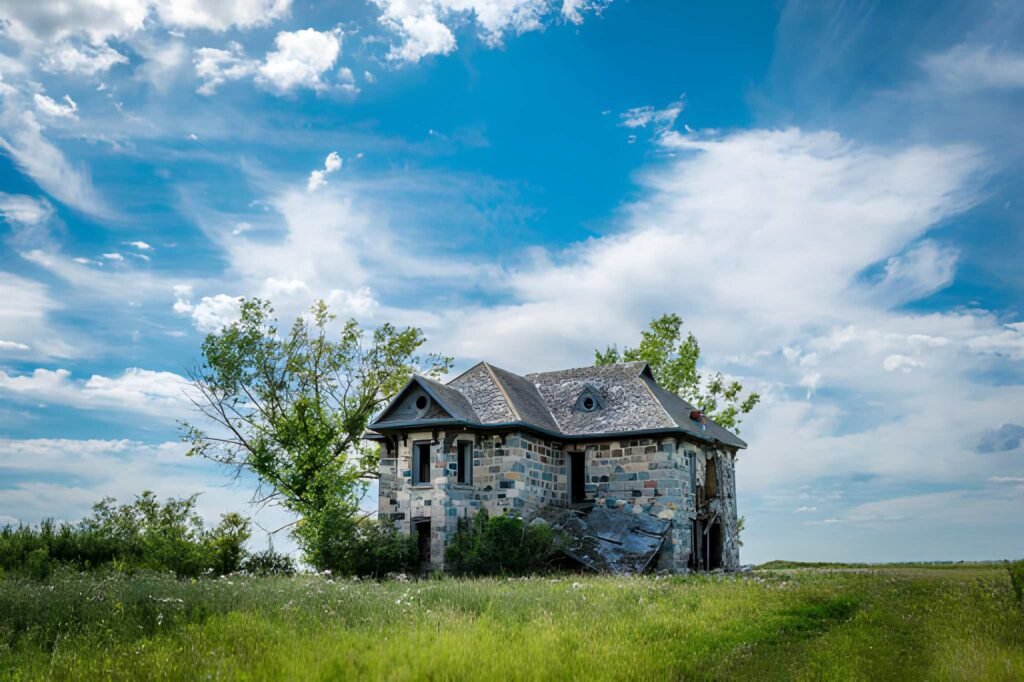
This grand, castle-like stone mansion was built in 1912 for a wealthy industrialist. A designated heritage property, it has sat vacant for decades despite its architectural significance. Its abandonment is a classic tale of the prohibitive costs of restoring a heritage structure, with estimates for rehabilitation running into the millions, deterring potential buyers and leaving it to slowly decay.
3. The Kelly House, Banff National Park, Alberta
A rare and controversial example within a national park, this large, rustic-chic home was built by a warden but has been embroiled in a long-standing dispute between Parks Canada and the family over ownership and usage rights. Its isolation and the legal stalemate have left it empty, a testament to the complexities of private property within protected public lands.
4. The Ghost Chateau, Pontypool, Ontario
Hidden deep in the woods, this sprawling, multi-winged mansion was never completed. Its construction was halted mid-stream, and it now sits with bare studs, empty window frames, and crumbling drywall. The reasons for its abandonment are murky, often attributed to financing drying up, leaving a skeletal frame of what was meant to be a grand estate.
5. The “Gatsby” Estate, Fraser Valley, British Columbia
This sprawling, white-columned mansion evokes the grandeur of the American South. It was reportedly built by a developer with dreams of creating a palatial family compound, but financial reversal during the 2008 crisis led to its foreclosure. It has since cycled through various owners and legal challenges, never being fully occupied, its grand ballroom and sweeping staircases left to gather dust.
6. The Havelock Manor, Havelock, Ontario
A massive, ornate brick Victorian manor that once housed a cheese factory magnate. After decades of use as a nursing home, it was shuttered and has fallen into severe disrepair. The high cost of restoring such a specialized, large property in a small town has ensured its continued vacancy, a ghost of its former industrial glory.
7. The Lac-Mégantic “Phantom” Villa, Quebec
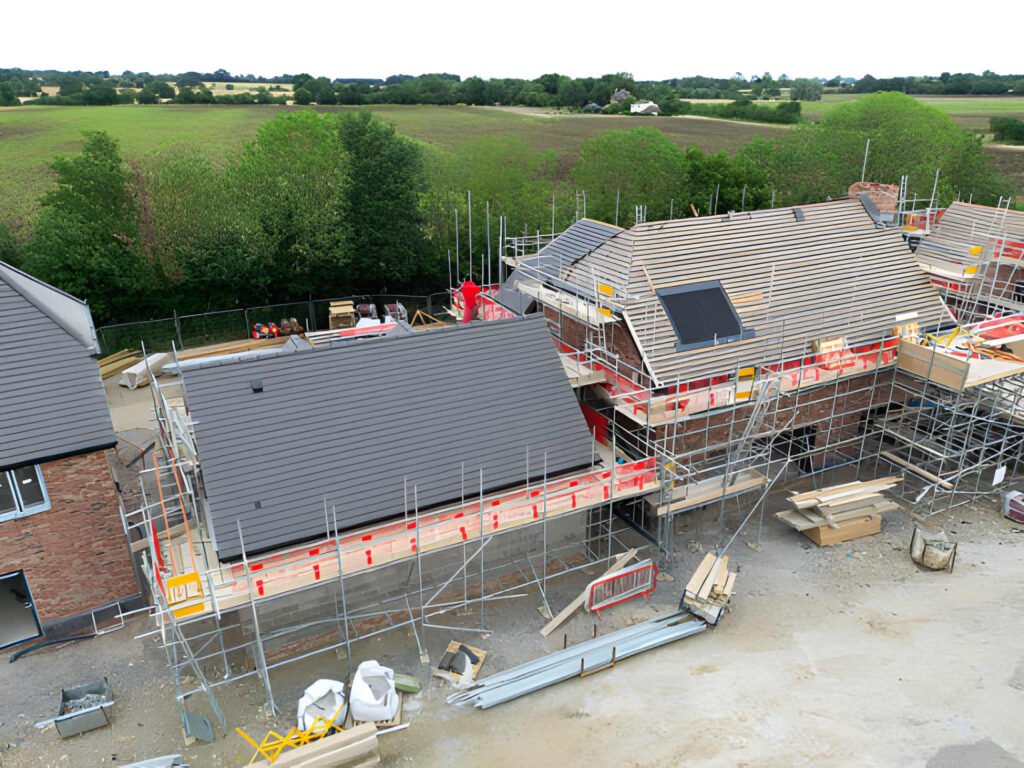
In a region known for its scenic lakes, this modern, multi-million dollar villa was left completely unfinished. Construction simply stopped, and the property—with its stunning lake views—was left with exposed insulation, stacks of unused building materials, and a sense of sudden, unexplained departure.
8. The Nova Scotia Cliffside Retreat, Eastern Shore
Perched dramatically on a coastal cliff, this modern architectural home was designed for its breathtaking Atlantic views. However, its remote location and vulnerability to the harsh maritime weather have made it both difficult to sell and expensive to maintain. It has been left to the elements, with salt spray and wind slowly degrading its modern facade.
9. The Ontario “Cult” Compound, Near Kingston
A cluster of several large, upscale homes built by a controversial religious group. After the group disbanded following legal issues, the entire compound was abandoned. The properties, which include a main meeting hall and several spacious residences, have been stripped of valuables and left to vandals and the elements.
10. The Alberta “McMansion,” Calgary Exurbs
A product of the pre-2008 oil boom, this massive, ostentatious home with a facade of fake stone and multiple garages was built on speculation. When the market corrected, the developer was left holding the property, which failed to sell due to its excessive size, poor build quality, and undesirable location. It stands as a textbook example of speculative overbuilding.
11. The Muskoka Boathouse, Ontario
In the heart of Canada’s premier cottage country, a lavish, multi-slip boathouse with an upper-level entertainment suite sits crumbling into the lake. The main estate it served was sold and potentially demolished, but the boathouse, likely due to complex ownership or permit issues regarding waterfront structures, was left behind to rot.
12. The Montreal “Triplex” Mansion, Westmount
In one of Canada’s wealthiest neighborhoods, a grand, stone triplex (a three-unit dwelling) sits boarded up and decaying. Its abandonment is a complex saga of inheritance disputes between heirs scattered across the globe, with no agreement on whether to sell, renovate, or demolish, resulting in a costly legal stalemate.
13. The British Columbia “Glass” House, Vancouver Island
A striking modern home with vast walls of glass, designed to blend with its forested setting. Its abandonment is attributed to “death by a thousand cuts”—a series of catastrophic and costly failures, from chronic leaks and mold issues to failing bespoke mechanical systems, that made it uninhabitable and too expensive to fix for subsequent owners.
14. The Dorchester “Sanatorium,” New Brunswick
While not a private home in its final years, this immense, castle-like structure was originally built as a private residence for a wealthy merchant before becoming a hospital. Its abandonment follows a familiar pattern: heritage designation, astronomical renovation estimates, and a lack of public or private will to fund its salvation, leaving a monumental piece of architecture to decay.
The Common Threads of Abandonment
The stories behind these 14 properties reveal a consistent pattern of why luxury turns to ruin:
- Financial Overextension: The most common cause. A sudden economic downturn, a failed business, or simple overestimation of a budget can halt construction or force foreclosure.
- Inheritance and Legal Disputes: Families fractured over a valuable asset can leave a property in legal limbo for decades, with courts unable to resolve ownership.
- Prohibitive Restoration Costs: A heritage designation or simply the immense cost of maintaining a vast estate can deter all potential buyers, leading to a slow, dignified decline.
- Remote Location: A dream of a private, secluded retreat can become a nightmare when the reality of maintenance costs, harsh climates, and difficulty accessing services sets in.
- Construction and Design Failures: A “money pit” scenario where fundamental flaws in construction or design make the home uninhabitable or financially ruinous to repair.
These abandoned luxury homes serve as powerful, melancholic landmarks. They are physical reminders that wealth is fleeting, ambition has its limits, and even the grandest dreams are vulnerable to the immutable forces of economics, nature, and human conflict.